


Close Menu
HitechubHitechub
    What's Hot
    Science

    New Scientist Recommends ‘Organ Speak’ by Julia Enders: An In-Depth Exploration of Our Body’s Organs

    Science

    21 Gray Whales Found Dead in 3 Months: Understanding the Surge of Carcasses on Pacific Beaches

    Science

    Coin tossing is not as perfectly fair as it is thought to be

    Important Pages:
    • About Us
    • Privacy Policy
    • Terms & Conditions
    Facebook X (Twitter) Instagram Pinterest
    Facebook X (Twitter) Instagram
    HitechubHitechub
    Tuesday, June 9
    • Technology
      1. AI
      2. Gadgets
      3. View All

      This is the most popular CEO in the world

      Sectors in which “Chat-GPT” is most often used

      AI Pioneer Expresses Concern About Potential for AI to Surpass Humanity

      Artificial intelligence has begun to “swallow” professions

      What’s new in Android 14

      Europeans have about 700 million old mobile phones in their drawers

      Here’s how you can tell if your phone is being tapped

      “Sneaker X” – computer case in the shape of a sneaker

      Russian Gamers Unite to Prevent Nuclear War: Join the Fight Online

      Challenges of Space Travel: Why Journeying to Space is So Difficult

      NASA Astronaut Casts Historic Vote from Space

      Discover the Future of Comfort: What If You Could Wear a Chair?

    • Science
      1. Space
      2. Wheels
      3. View All

      Galaxies in the universe are growing more slowly than they should

      “Espace” presented the new lander “Apex 1.0”

      The largest asteroid sample ever collected has arrived on Earth

      (VIDEO) Incredible flight of the Parker Solar Probe

      Toyota wants to make a new generation battery with a range of up to 1,200 km

      Meet Toyota’s lunar “baby” that could make exploring the Moon easier

      Microlino – Is this the perfect city car?

      Alfa Romeo 4C gets an electric successor

      NASA Unveils Astronauts for Artemis III Mission to Test Innovative Lunar Lander

      Ancient DNA Uncovered: How Frozen Squirrel Feces Is Preserving Genetic Material from Hundreds of Species

      How Increasing Individualism is Impacting Modern Love Lives

      Unlock the Benefits of Sleep Without Actually Sleeping

    HitechubHitechub
    Home » The Chicxulub Asteroid Impact Site: How It Stayed Hot for Millions of Years After the Dinosaur Extinction
    Science

    The Chicxulub Asteroid Impact Site: How It Stayed Hot for Millions of Years After the Dinosaur Extinction

    Share Facebook Twitter Pinterest WhatsApp
    Share
    Facebook Twitter LinkedIn Pinterest WhatsApp

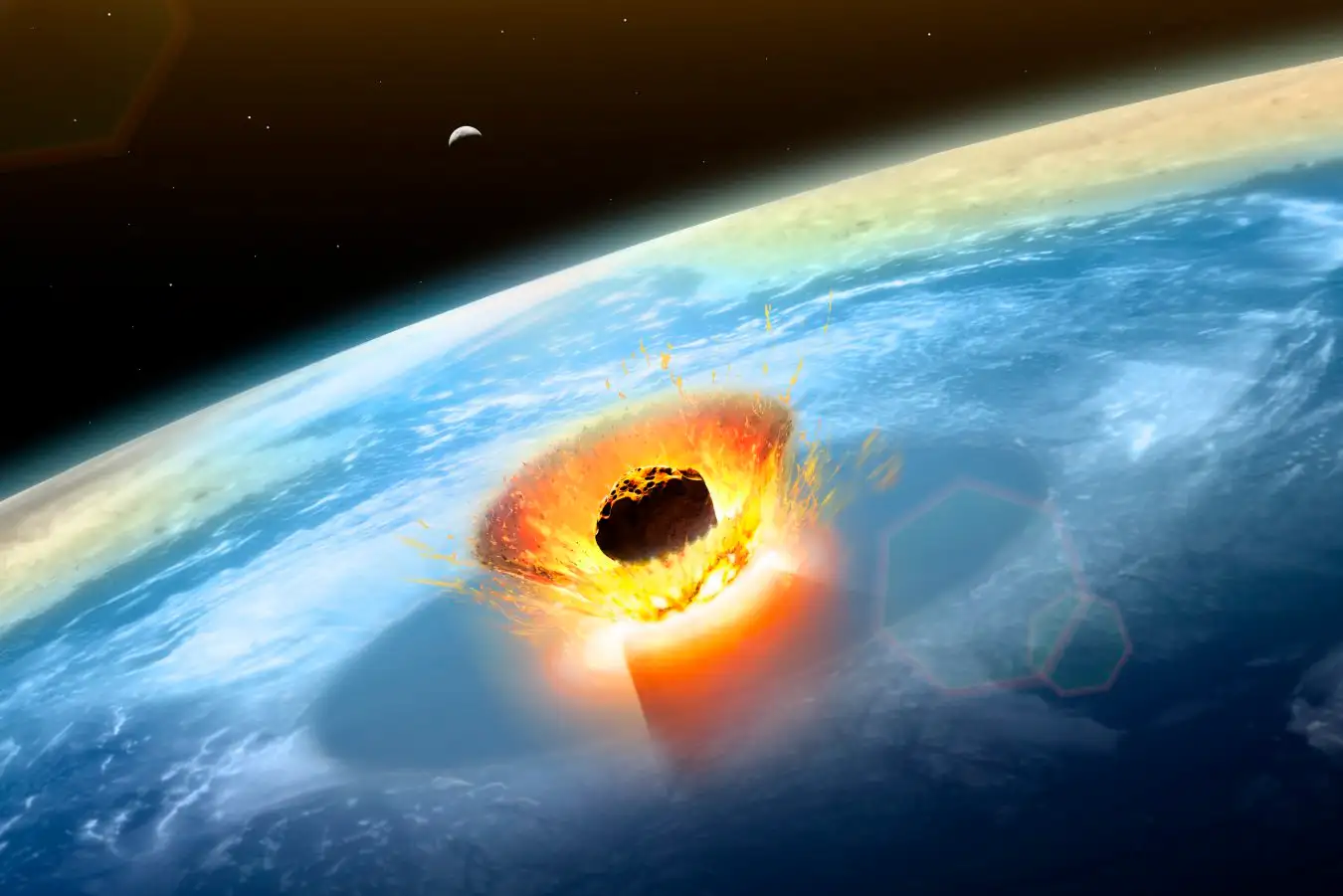
    Diagram of the Chicxulub Asteroid Impact, 66 Million Years Ago

    Mark Garlick/Science Photo Library/Getty Images

    The catastrophic Chicxulub asteroid impact, which occurred 66 million years ago, created a geological upheaval that took at least 8 million years to stabilize. This prolonged cooling period led to a flourishing underground ecosystem where microorganisms thrived.

    Striking what is now Mexico, the Chicxulub asteroid, estimated to be 15 kilometers in diameter, caused drastic climate changes, resulting in the extinction of around 75% of Earth’s species. Notably, all non-avian dinosaurs vanished, while a nuclear winter affected the planet for approximately 15 years.

    Even the depths of the Earth weren’t spared from the impact’s effects. “The Chicxulub impact was powerful enough to induce geological deformation up to 35 kilometers beneath the surface, detectable through geophysical surveys,” explains Annemarie Pickersgill from the University of Glasgow, UK.

    The impact melted around 10,000 cubic kilometers of rock, resulting in a combination of molten rock and seawater, which created hydrothermal systems characterized by porous materials filled with hot water pockets.

    Research indicates that these hydrothermal environments extended several kilometers into the Earth and contained minerals indicative of liquid water and heat. However, the duration and extent of heating within these hydrothermal systems appears to have been significantly underestimated.

    Initial beliefs suggested the cooling of the impact site would require just 2 million years. Yet, Pickersgill and her team propose that it may have taken at least four times longer, allowing hydrothermal life more time to prosper.

    “One of the greatest uncertainties regarding impact-generated hydrothermal systems, especially at Chicxulub, is the duration for which heat continues to circulate water through the geological structure,” notes Pickersgill.

    To investigate, the research team drilled one kilometer into the crater to collect rock cores. By analyzing potassium’s decay into argon gas over time, they could accurately estimate the age of the samples.

    “Our findings reveal a range of ages from the time of the impact—66 million years ago—to approximately 58 million years ago,” said Pickersgill. “This indicates that hydrothermal activity persisted in part of the Chicxulub structure for up to 8 million years following the impact.”

    Sulfur isotopes identified within the rock cores provide further evidence of microorganisms present in the hydrothermal system, which rapidly recovered post-impact.

    These findings imply that habitable hydrothermal systems might have existed in early impact craters on young Earth and potentially on other celestial bodies for longer durations than previously thought.

    “This opens new possibilities for the development and spread of life,” says Pickersgill. “Our study supports the hypothesis that early life on Earth may have thrived in long-lasting habitats within impact craters, and possibly in similar environments on other planets where large impact craters exist.”

    Chris Kirkland from Curtin University in Perth, Australia, states that although there is “no unequivocal record of sustained hydrothermal activity” at Chicxulub, compelling evidence suggests the impact site remained thermal for millions of years.

    “The significant impact doesn’t merely destroy the environment; it also creates enduring underground systems where heated fluids flow through fractured rocks. These chemically rich settings could serve as safe havens for microorganisms and may even foster early chemical processes vital to the emergence of life.”

    Topics:

    Source: www.newscientist.com

    Share. Facebook Twitter Pinterest LinkedIn WhatsApp
    Previous ArticleUnderstanding Aging: Why Stiff Joints and Muscles Make It Harder to Stand Up
    Next Article Unraveling a Cosmic Case of Mistaken Identity: The Time to Solve It is Now

    Related Posts

    Science

    NASA Unveils Astronauts for Artemis III Mission to Test Innovative Lunar Lander

    Science

    Ancient DNA Uncovered: How Frozen Squirrel Feces Is Preserving Genetic Material from Hundreds of Species

    Science

    How Increasing Individualism is Impacting Modern Love Lives

    Science

    Unlock the Benefits of Sleep Without Actually Sleeping

    Science

    Unraveling a Cosmic Case of Mistaken Identity: The Time to Solve It is Now

    Science

    Understanding Aging: Why Stiff Joints and Muscles Make It Harder to Stand Up

    Science

    Exploring the Impact of Endometriosis Beyond the Pelvis: Insights After Surgical Removal

    Science

    Can Apple and Google Prevent Kids from Sharing Explicit Images? Insights and Solutions

    Add A Comment
    Leave A Reply Cancel Reply

    Stay In Touch
    • Facebook
    • Twitter
    • Instagram
    • Pinterest
    Top Picks
    Science

    After the asteroid hit that wiped out the dinosaurs

    It was, to put it mildly, a bad day for Earth when an asteroid hit…

    Russian Gamers Unite to Prevent Nuclear War: Join the Fight Online

    Humans came to America 7,000 years earlier than previously thought !?

    What Are the Chances of an Asteroid Hitting the Earth?

    Exploring the Impact of Endometriosis Beyond the Pelvis: Insights After Surgical Removal

    Most Popular
    Space

    Galaxies in the universe are growing more slowly than they should

    Science

    Breakthrough Large-Scale Study Uncovers New Genetic Drug Targets for Alzheimer’s Disease

    Categories
    • AI (13)
    • Gadgets (10)
    • Science (152)
    • Space (9)
    • Technology (37)
    • Wheels (9)
    Our Picks
    AI

    The unusual robot conductor of a concert in Seoul

    Science

    Experts Baffled: Unexplained Activity in Mini-World Near Pluto

    © 2026 Hitechub.
    • Home
    • About Us
    • Privacy Policy
    • Terms & Conditions

    Type above and press Enter to search. Press Esc to cancel.

    We are using cookies to give you the best experience on our website.

    You can find out more about which cookies we are using or switch them off in .

    Ad Blocker Enabled!
    Ad Blocker Enabled!
    Our website is made possible by displaying online advertisements to our visitors. Please support us by disabling your Ad Blocker.
    Hitechub
    Powered by  GDPR Cookie Compliance
    Privacy Overview

    This website uses cookies so that we can provide you with the best user experience possible. Cookie information is stored in your browser and performs functions such as recognising you when you return to our website and helping our team to understand which sections of the website you find most interesting and useful.

    Strictly Necessary Cookies

    Strictly Necessary Cookie should be enabled at all times so that we can save your preferences for cookie settings.