


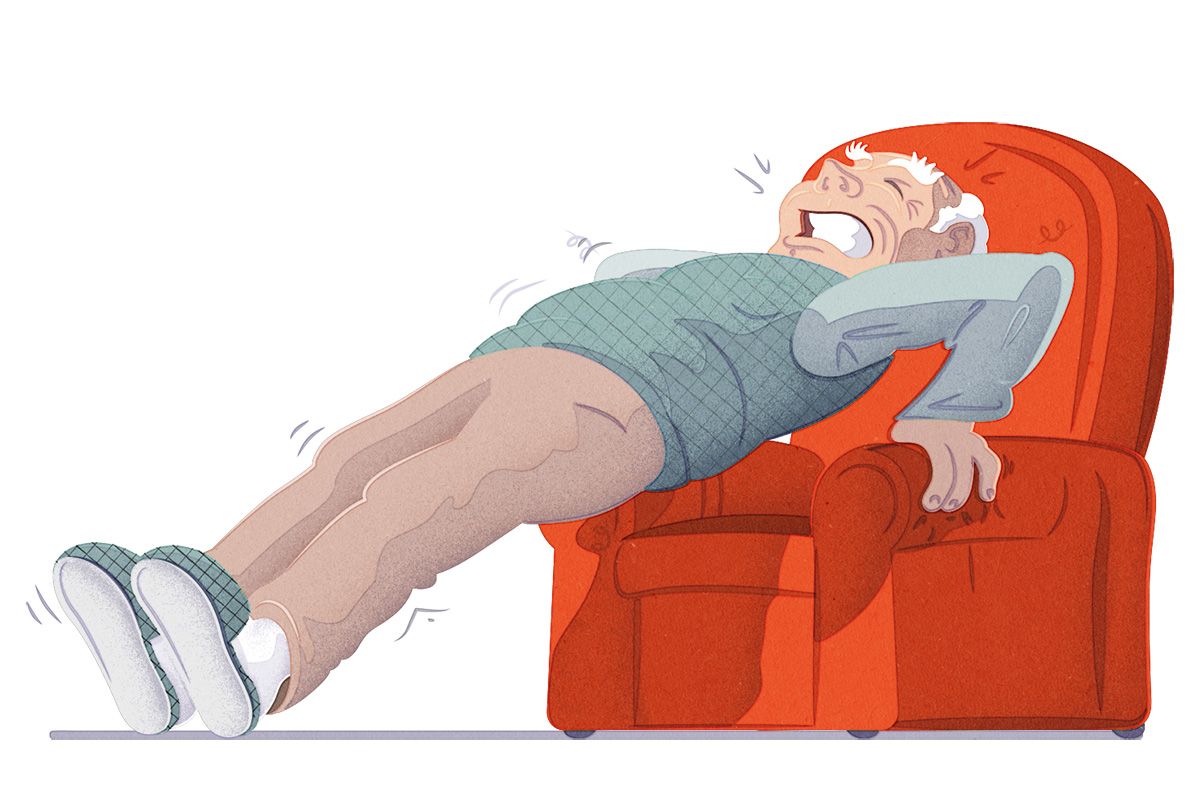
As we age, our flexibility tends to decline, presenting challenges like difficulty in standing up. A significant assessment known as the “sit or stand” test is commonly used by clinicians to evaluate physical functioning and identify older adults at risk of falls and frailty.
Several factors contribute to the increased difficulty in rising from a chair with age. The tendons around our joints may become stiffer, and the cartilage deteriorates, impacting joint function. Additionally, the ligaments can weaken, and synovial fluid levels in the joints can diminish, leading to muscle tension.
Moreover, aging results in a decrease in muscle mass, particularly in the quadriceps—the essential muscles for standing up from a seated position.
The encouraging news is that these age-related changes can be mitigated. Engaging in regular physical activity is believed to slow down the decline in flexibility, while also enhancing bone density, cardiovascular health, and mental well-being.
Studies show that older adults who maintain an active lifestyle can enjoy a wider range of motion compared to those who are sedentary. The NHS recommends that older adults engage in strength, balance, and flexibility exercises at least twice a week, along with a target of 150 minutes of moderate-intensity activity or 75 minutes of vigorous-intensity activity weekly.
Regular stretching is crucial even if you maintain an exercise routine. Yoga can be beneficial if accessible, but simple stretching exercises you can do while watching TV or on a phone call can also enhance flexibility. It’s advisable to learn proper stretching techniques from a qualified instructor.
Additionally, nutrition plays a vital role in our overall health as we age. Ensuring adequate intake of protein (for muscle building), calcium, and vitamin D (for bone density) is essential.
While it’s natural to experience decreased flexibility and greater difficulty in standing up as you age, there are proactive steps you can take to improve your situation.
Read More:
Asked by: Alexandra Lech, Cumbria
To submit a question, please email [email protected] (make sure to include your name and location)
Source: www.sciencefocus.com