


A groundbreaking study conducted by researchers at University College Cork reveals that both caffeinated and decaffeinated coffee can positively reshape the gut microbiome, leading to reduced stress and enhanced psychological well-being. This study provides valuable insights into the long-acknowledged health benefits of coffee.
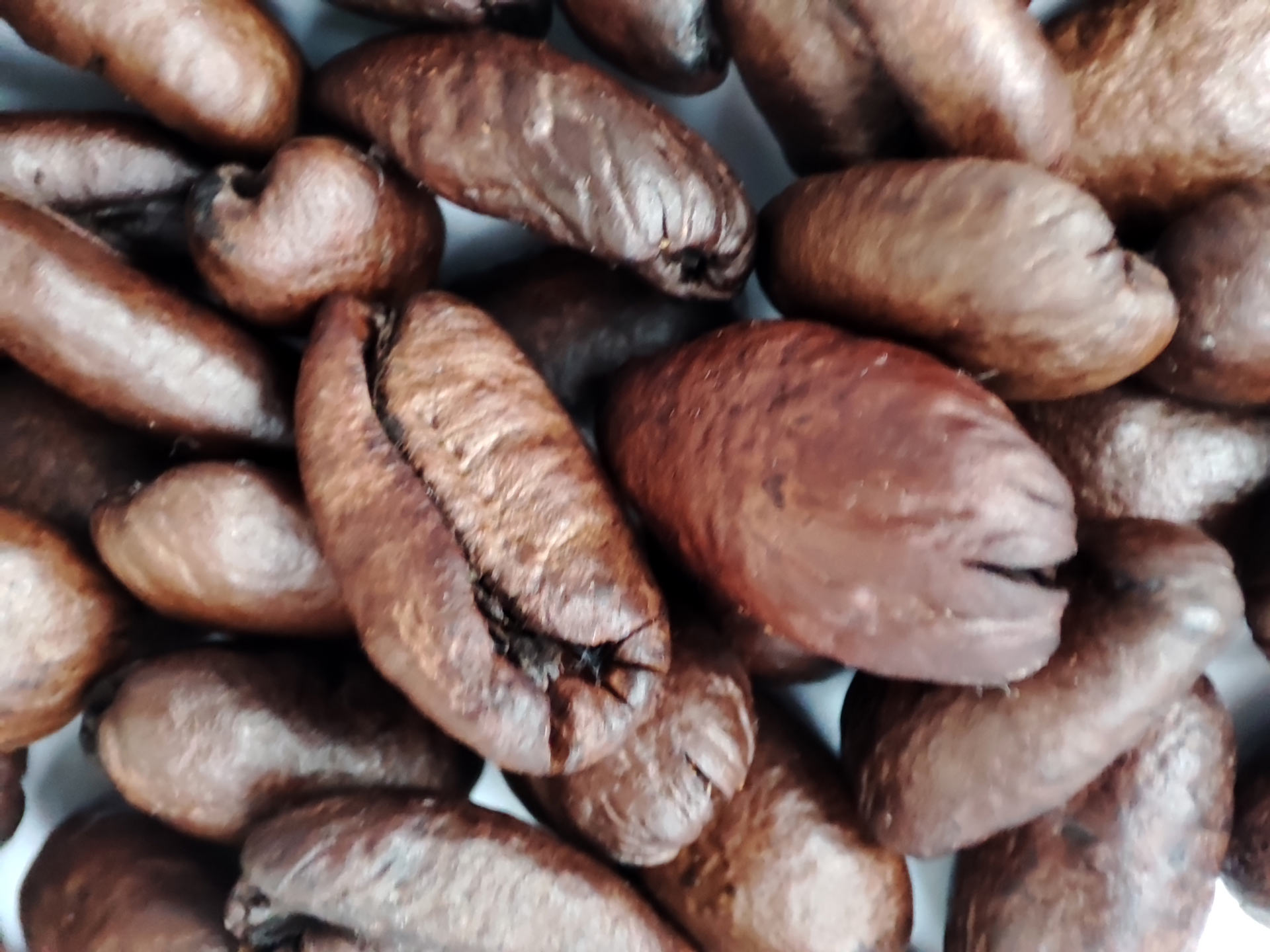
Boscaini et al. uncover a previously unrecognized effect of coffee on the microbiota-gut-brain axis, indicating a strong link between coffee consumption and gut microbial composition. Image credit: Sci.News.
Coffee, a popular plant-based beverage derived from processed coffee beans, offers a complex flavor and chemical profile influenced by factors such as bean variety, ripeness, processing methods, roasting techniques, and brewing styles.
This beverage is rich in bioactive compounds, including alkaloids (like caffeine), polyphenols (such as phenolic acids), diterpenes, and melanoidins formed during the roasting process.
Research indicates that moderate coffee consumption is linked to a reduced risk of several chronic illnesses, including type 2 diabetes, liver disease, cardiovascular issues, and certain types of cancer.
Moreover, increased coffee intake has been associated with a lower risk of Parkinson’s disease, emphasizing a dose-dependent relationship.
Individuals who drink coffee regularly are statistically less prone to depression, with one study noting a 27% lower incidence of Alzheimer’s disease among habitual coffee consumers.
In this recent research, Professor John Cryan and his team from University College Cork explored how coffee intake, withdrawal, and reconsumption impact cognition, mood, and behavior, specifically in relation to the microbiota-gut-brain connection.
The researchers conducted a comprehensive analysis involving psychological assessments, caffeine and food diaries, as well as stool and urine samples from 31 coffee drinkers and an equal number of non-coffee drinkers to track changes in their microbiome and reported mood and stress levels.
Coffee aficionados were identified as individuals who consume 3 to 5 cups daily, a quantity deemed safe by the European Food Safety Authority (EFSA).
Participants initially abstained from coffee for two weeks, during which they underwent regular psychological evaluations and provided stool and urine samples.
This abstinence period correlated with significant changes in the gut microbiota among coffee drinkers compared to their non-coffee-drinking counterparts.
Upon reintroducing coffee, participants experienced a blinded trial where half consumed decaffeinated coffee while the other half drank caffeinated coffee.
Both groups reported decreased scores for stress, depression, and impulsivity, indicating that coffee consumption notably enhances mood, independent of caffeine content.
Notable increases in specific bacterial species such as egger terra sp. and Cryptobacterium cultum were observed in coffee drinkers, suggesting their roles in promoting digestive health by supporting stomach and intestinal acidity and contributing to bile acid synthesis, crucial for combatting harmful gut bacteria and stomach infections.
A rise in Firmicutes bacteria, which is linked to positive emotional states in women, was also noted.
However, cognitive improvements such as enhanced learning and memory were predominantly seen in those consuming decaffeinated coffee, hinting at the influence of non-caffeine components like polyphenols on cognitive function.
Conversely, scientists determined that only caffeinated coffee contributed to reduced anxiety levels and heightened alertness, with caffeine also linked to a lower risk of inflammation.
“The growing public interest in gut health is significant,” states Professor Cryan.
“As the connection between digestive health and mental well-being becomes clearer, we still need to unravel the mechanisms through which coffee impacts the gut-brain axis.”
“Our research illuminates the relationship between the microbiome and neurological responses to coffee, highlighting potential long-term health benefits related to a healthier microbiome.”
“Coffee modifies microbial activity and the metabolites they utilize.”
“As awareness regarding dietary adjustments to promote digestive health increases, coffee could serve as a beneficial addition to a balanced diet.”
“Coffee is more than just a caffeine source; it is a multifaceted dietary element that interacts with gut bacteria, metabolism, and mental health.”
“Our findings imply that both caffeinated and decaffeinated coffee have distinct, yet complementary, health impacts.”
The team’s findings were published in today’s issue of Nature Communications.
_____
S. Boscaini et al. 2026. Habitual coffee consumption shapes the gut microbiota and alters host physiology and cognition. Nat Commun 17, 3439; doi: 10.1038/s41467-026-71264-8
Source: www.sci.news