


Over 3,000 archaeological artifacts, spanning from the Stone Age to World War II, have been uncovered in a stream valley in the Netherlands. This discovery highlights humanity’s long-standing attraction to water sources throughout history.
The artifacts, including 600 items of “particular significance,” were found in the Nieuwe Drostendiep river valley. These findings demonstrate the historical importance of such locations as trade routes, food sources, and even sites of spiritual significance, according to experts.
Environmental restoration projects are currently in progress in the Nieuwe Drostendiep river valley between Slín and Oosterhesselen in the northern Drenthe region. As part of this initiative, archaeologists meticulously examined the upper soil layers, leading to the remarkable discovery of hundreds of items, including tools from the Stone Age and Bronze Age, as well as jewelry dating from 200 BC to the early Middle Ages.
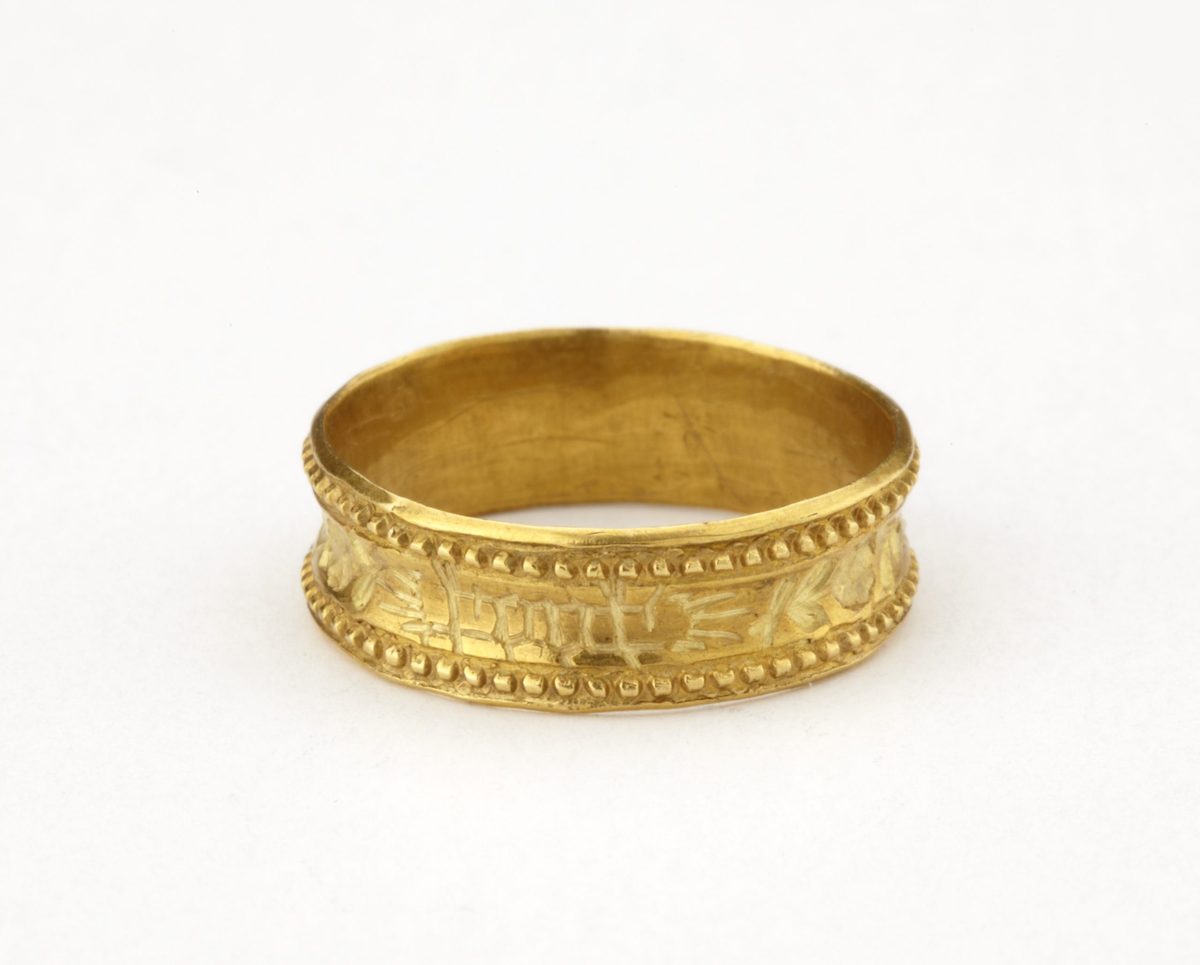
Among the significant finds are a gold ring from the 3rd or 4th century AD and a fibular pin from the 10th or 11th century AD, which was used to fasten clothing and is considered a predecessor to modern buttons. Artifacts from more recent periods, including those from the Eighty Years’ War (1568-1648) and World War II, were also uncovered.
Researchers have deemed this discovery exceptional due to the sheer number and variety of objects, many of which remain in excellent condition. The artifacts were found in relatively undisturbed soil layers, contributing to their preservation.
Professor David Bridgeland from Durham University, who studies the interaction between environment and human evolution, stated: “Rivers would have provided essential resources—water and food—attracting both predators and livestock seeking drinking water, and importantly, served as a context for preserving evidence.”
Yvonne Turenhout, an executive member of the Drenthe province who supervised the project, expressed pride in the region’s rich history and beautiful landscapes, stating that these discoveries further emphasize their historical value.
Currently, the artifacts are not on public display as they undergo research, cleaning, and cataloging. Officials are contemplating an exhibition and exploring ways to make parts of the collection digitally accessible.
Read more:
The featured image of the ring is for illustrative purposes and is not among the findings from the Nieuwe Drostendiep.
Source: www.sciencefocus.com