


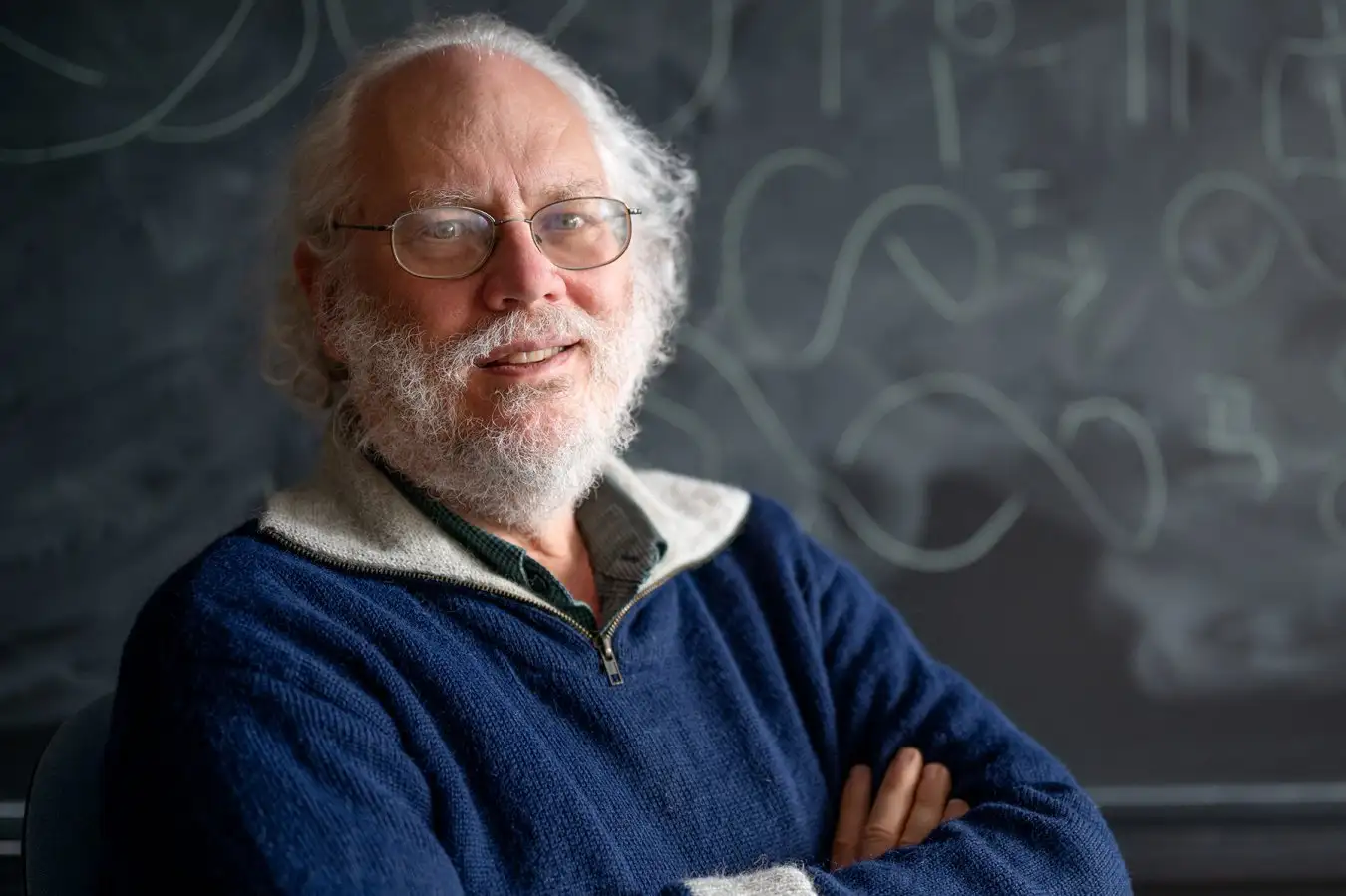
Peter Shor: The Man Behind the Groundbreaking Algorithm
Christopher Harting
“So, is he the Beyoncé of this event?” a young woman whispered, as we stood amidst the crowd of bearded men in orange sweaters. Spotting him felt like a fleeting glimpse of the Mona Lisa. “His algorithm is the one that outperforms all others,” a colleague remarked while catching occasional glimpses of attendees posing for selfies and signing conference badges.
I’m attending the Quantum.Tech World Conference in Boston, where Peter Scholl is the main attraction. Scholl is recognized as one of the most influential figures in quantum computing, largely due to his groundbreaking invention known as Scholl’s Algorithm.
Back in the 1990s, while at Bell Laboratories in New Jersey, Scholl initially found quantum computing unremarkable until a seminar led by quantum computing pioneer Umesh Vazirani piqued his interest. Struck by the potential of quantum computers to solve complex problems more efficiently than classical computers, he realized that there might be practical applications worth exploring.
Over a span of six months leading up to spring 1994, he identified a practical problem—factoring large numbers—and devised a method for quantum computers to tackle it, giving rise to Scholl’s Algorithm. This innovation was a game changer and provided a compelling impetus for researchers to advance quantum computing technology.
Today’s cryptography heavily relies on the complexity of factoring large numbers. As long as traditional computers wrestle with this task, our digital assets (including emails, medical data, and banking transactions) remain secure. However, Scholl’s Algorithm allows a powerful quantum computer to decrypt even the most secure data.
Yet, during a brief moment of solitude in a makeshift speaker lounge at the conference, Scholl expressed his lack of concern. “We have robust strategies for post-quantum cryptography; we just need to implement them,” he noted, though he warned, “This will be exceptionally challenging.”
Despite the existence of well-researched encryption methods designed to resist Scholl’s Algorithm, adapting these solutions is complex and costly. For large organizations like banks and healthcare systems, it may take years to audit their systems for vulnerabilities and even longer to upgrade their technology.

Mr. Scholl: The Friendly Quantum Innovator
Karmela Padavic-Callaghan
Time is of the essence. While current quantum computers lack the reliability and power to run Scholl’s Algorithm, advancements in quantum computing hardware and software are accelerating. Tech giants like Google aim to achieve a shift towards post-quantum cryptography by 2029. Recently, the U.S. President declared that all high-value systems within the government must follow suit by 2031.
“Quantum computers are still toys, but they won’t be for long,” Scholl states, acknowledging the remarkable progress in enhancing the computational capacity of quantum technologies. He commends the collaborative efforts in academia and industry to optimize error detection and correction methods for quantum systems.
However, Scholl dispels any notion that quantum computers will outpace classical ones in every regard. “I don’t envision quantum computers excelling at stock market predictions,” he admits.
In his opinion, the realm of quantum computing should focus on a narrow scope of queries. Beyond cryptography, potential applications include simulations of intricate systems in quantum mechanics and biomedicine, along with optimization problems. He expresses a keen interest in optimization algorithms, which he feels have been underrated by peers.
Yet, he admits that crafting truly effective quantum algorithms has proven to be an arduous challenge. When asked why no one has matched his algorithm’s significance, Scholl suggests that neither an insufficiency in intellect nor a lack of practical applications is the issue at hand, but rather the difficulty inherent in developing superior quantum algorithms.
In closing, he encourages a hands-on approach: “Experiment with real quantum computers and explore unconventional ideas—but be prepared to master both quantum mechanics and computer science, which is no small feat.”
Topics:
Source: www.newscientist.com