


“This would create a parallel federal eligibility infrastructure in addition to existing state voter rolls,” said Issue One, a nonprofit organization working to reduce the influence of money in politics. I wrote about the potential impact immediately after the executive order was issued.
The second provision targets election officials. It directs the U.S. attorney general to “prioritize investigations and, where appropriate, prosecution of state and local officials who issue federal ballots to individuals who are ineligible to vote in federal elections.”
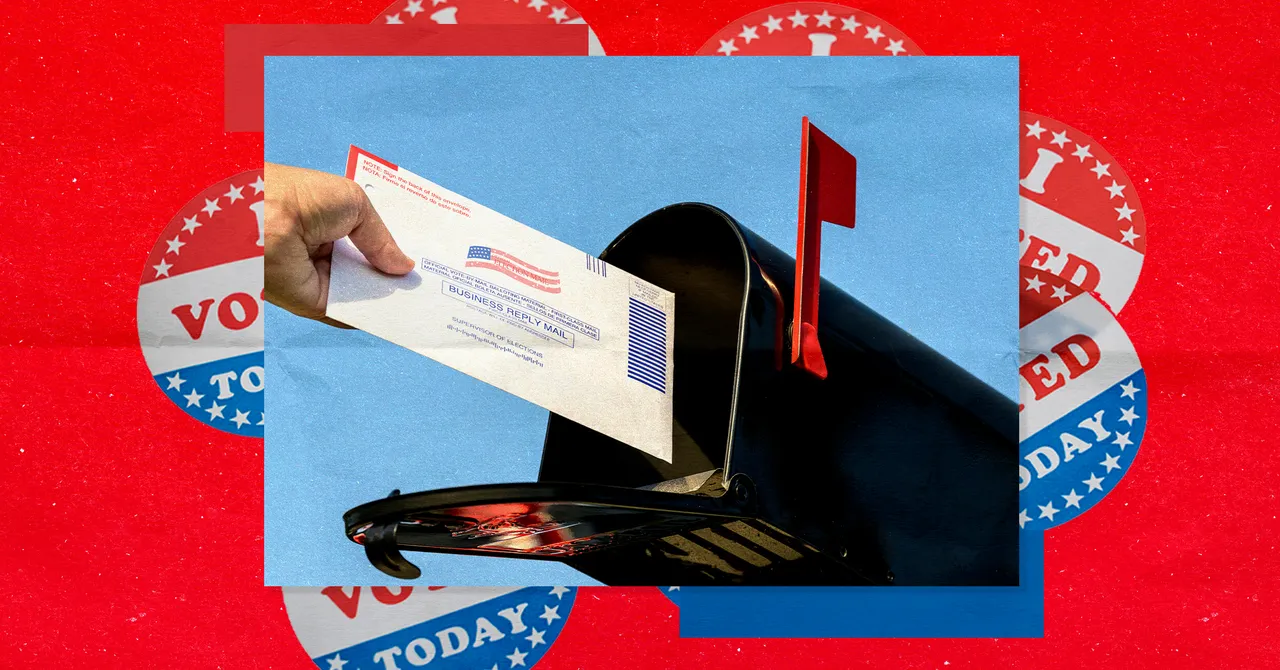
The final provision directs the U.S. Postal Service to create new rules for absentee and mail-in voting. Under the proposed requirements, each state would have to provide the USPS with a list of voters scheduled to receive ballots. The USPS would then be prohibited from sending ballots to anyone who does not appear on that list. The rule would also require millions of new ballot envelopes with traceable barcodes.
Before the Supreme Court’s ruling last week, the USPS issued a 95-page final rule explaining how it plans to enforce President Trump’s proposed mail-in voting changes, which the agency says are intended to “reduce the risk of fraud and protect the integrity of federal elections.” The rule compares mail-in ballots to fake bombs or cremated animal remains, The New York Times reported. On Monday, President Trump said he was seeking to take control of the USPS board by adding members who questioned the results of the 2020 election.
Federal courts largely blocked provisions of the executive order before the Trump administration appealed the ruling to the Supreme Court in July. Earlier this month, the administration asked the Supreme Court to issue a decision quickly, arguing that delaying a ruling would cause “irreparable harm to the federal government, the people, and the integrity of our elections.”
States are likely to file new lawsuits when the USPS rules take effect Wednesday. However, the Supreme Court’s decision could still create confusion because it comes so close to the 2026 general election.
“The court seemed intent on creating complete chaos in the run-up to the midterm elections—waiting weeks for the government to file, waiting days for mail-in ballots to be sent out, and completely rewriting the rules of the election,” David Becker, director of the Center for Election Innovation and Research and a former Justice Department attorney, said in an emailed statement.
Election officials are expected to face the greatest disruption.
“From a strictly practical perspective, there simply isn’t enough time to implement the proposed requirements for the 2026 general election,” Stuart Holmes, Washington state’s director of elections, told WIRED.
Holmes said county election offices have already printed and prepared mail-in ballot materials for distribution. Destroying and reprinting those materials would not be financially or logistically practical. USPS regulations also require new envelope designs to be reviewed and approved for compatibility with automated processing equipment.
“Even if a new design were developed and approved in time, it would be unrealistic to expect the limited number of printers serving Washington counties to produce entirely new ballot envelopes for every county without significant disruption before the general election,” Holmes added.
Holmes also warned that maintaining the voter list required by the USPS rule could be nearly impossible. “Voter registration data does not remain static; voters continually update their registration, ineligible voters are removed from the rolls, and new voters are added,” he said. “Meeting the proposed reporting requirements would require the Secretary of State’s Office to assign dedicated staff to provide current information to the USPS. Those same employees are already responsible for maintaining other critical voter lists and preparing for the election.”
Source: www.wired.com