


Proposed Section 106 Rule Could Weaken Protections for Native American Sacred Sites
The Advisory Council on Historic Preservation (ACHP), the federal agency responsible for promoting the preservation of America’s historic places, has advanced a proposed rule that could significantly change how Section 106 of the National Historic Preservation Act is implemented. Critics argue that the changes would prioritize faster project approvals and industry interests over the protection of sacred Native American sites, archaeological resources, and other culturally significant places.
Section 106 requires federal agencies to evaluate how their actions—and projects they authorize, fund, or permit—could affect historic, archaeological, and cultural properties listed on, or eligible for listing on, the National Register of Historic Places. Agencies are also expected to identify ways to avoid, minimize, or mitigate harmful impacts.
The current Section 106 regulations have been in place since 1974. Under this framework, federal agencies must consult with tribal nations about projects that could damage or destroy sacred sites and other culturally important resources.
Proposed Section 106 Changes Could Limit Public Participation
The proposed regulations would give federal agencies greater discretion over public involvement. Agencies could decide whether public participation would benefit the review process and, in some cases, whether to notify the public or provide an opportunity for public comment before approving a project that could harm a historic property.
Critics say this approach would undermine the purpose of consultation by allowing agencies to decide whether public input is necessary before moving forward with a project.
Tribal Consultation and Federal Historic Preservation Law
The proposed rule could also allow federal agencies to approve projects that affect sacred tribal sites without consulting tribal nations or seeking their expertise. Opponents contend that this would conflict with federal law and legal precedent requiring the government to consult with tribal nations on a government-to-government basis.
Tribal nations are not simply stakeholders comparable to community organizations or local interest groups. They have a unique legal and political relationship with the United States, and their knowledge is essential when federal projects could affect ancestral lands, sacred places, burial sites, or culturally significant resources.
Under the existing process, agency officials prepare a Section 106 report that identifies historic properties, evaluates potential impacts, and recommends next steps. The report is shared with consulting parties, including State Historic Preservation Officers, Tribal Historic Preservation Officers, and project proponents, who can comment on the findings.
Although agencies must review those comments, they are not always required to adopt them or respond to every recommendation before making a final decision. Critics argue that the proposed changes would move Section 106 even further away from a consensus-based process and give agency officials broader authority to make unilateral decisions.
Changes to the Definition of a Historic Property
Another major concern involves the proposed definition of a “historic property.” Under the draft regulations, a site would generally need to contain—or have once contained—tangible human improvements, such as buildings or other constructed structures. The property would also need to be geographically compact.
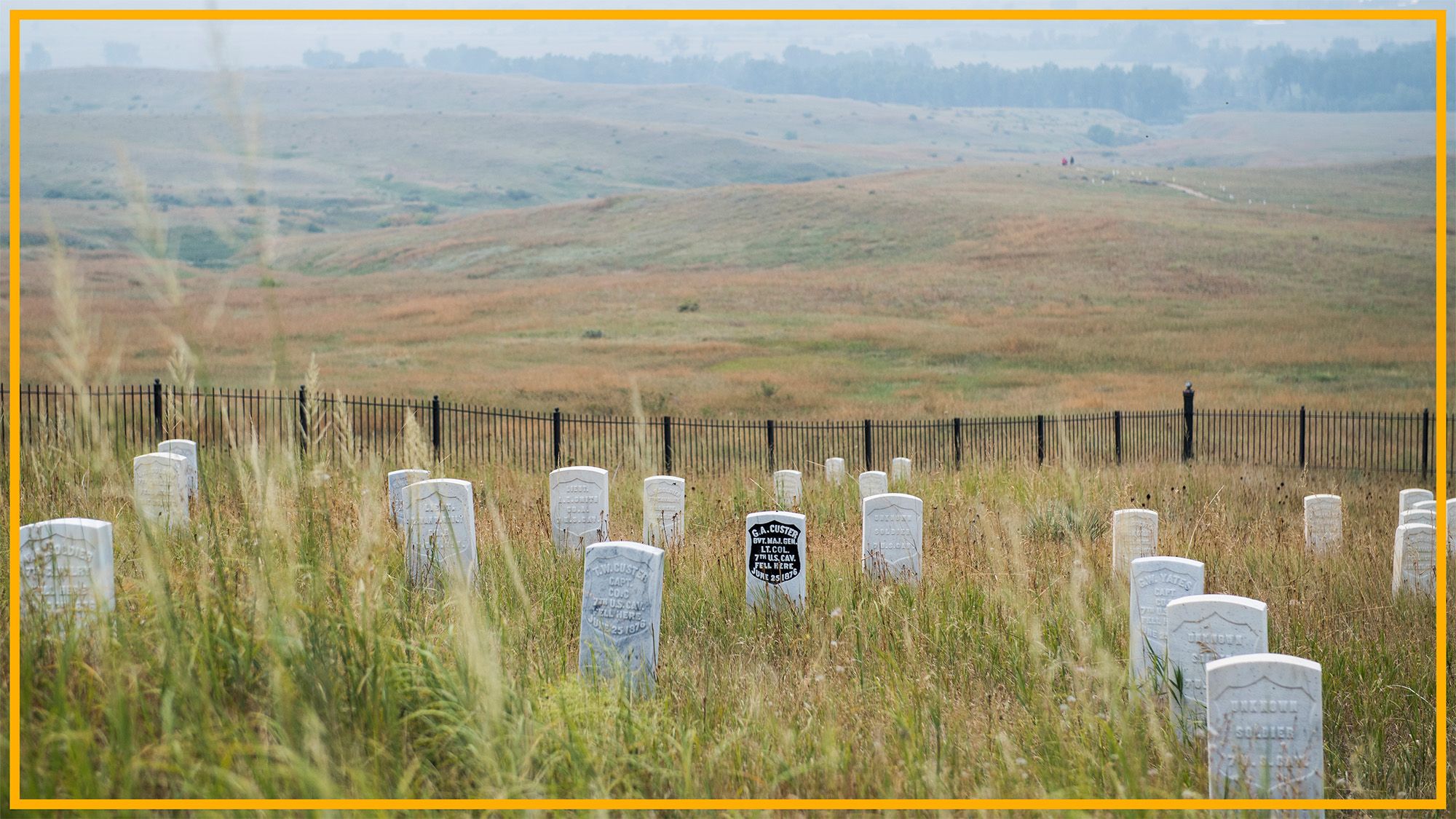
Critics say those requirements could exclude entire categories of historic and cultural places from meaningful review under Section 106. Potentially affected resources could include battlefields such as Gettysburg and Little Bighorn, cultural landscapes such as Wyoming’s Devils Tower and South Dakota’s Black Hills, and archaeological sites such as the petroglyphs at Chaco Canyon.
Large landscapes, including portions of the Grand Canyon, could receive less protection if they are not considered geographically compact or closely associated with buildings and other structures.
The draft specifically excludes “compact, unimproved natural features, such as mountains, valleys, bodies of water, or landscapes that include ethnographic landscapes.” Opponents argue that this language could remove protections for traditional cultural properties and sacred sites with deep religious and historical importance to tribes, Native Hawaiian organizations, and local communities.
Some preservation advocates warn that narrowing the definition of historic property could exclude much of the heritage associated with American Indian communities and erase the history of people who lived across North America before European colonization.
Mitigation Could Depend on Cost and Feasibility
The proposal could also change how agencies address damage to historic properties. Measures intended to avoid, reduce, or offset harm could become discretionary if an agency determines that mitigation is not “technically and economically feasible.”
Under this approach, agencies could weigh the cultural value of a historic site against the cost of changing or delaying a proposed project. Critics fear that this could make preservation protections dependent on a project’s budget rather than the significance of the resource at risk.

How the Proposal Could Change “Adverse Effect” Reviews
The proposed regulations would also narrow the definition of an “adverse effect” on a historic property. The changes could limit consideration of indirect and cumulative impacts, as well as visual, atmospheric, and auditory effects that alter how people experience historic places.
For example, critics say the rule could make it easier to approve a casino or amusement park near Mount Vernon if the project’s economic benefits were considered more important than its visual, environmental, or noise impacts on George Washington’s historic home.

The draft would also allow agencies to proceed without avoiding or minimizing adverse effects if they document that “other considerations take precedence” over historic preservation. Preservation advocates argue that this language could make the protections of Section 106 far less effective.
Supporters Say the Changes Would Streamline Project Reviews
Supporters of the proposed regulations say current historic preservation reviews can delay construction projects and increase costs. They argue that clearer procedures, narrower definitions, and broader exemptions could make federal reviews faster, more predictable, and easier for industries to plan around.
Opponents counter that the existing Section 106 process already balances economic development with the protection of cultural resources. They say the proposed changes would not simply streamline reviews but could reduce public participation, weaken tribal consultation, and make it easier to approve projects that permanently damage historic places.
The debate recalls earlier periods of urban renewal and highway construction, when historic buildings and entire working-class neighborhoods were demolished in the name of modernization. In many cases, those cultural resources could not be restored once they were destroyed.
The National Historic Preservation Act was created to help protect communities and historic places from decisions driven solely by economic and political power. The Section 106 process has long been viewed as a compromise between infrastructure development and the preservation of America’s cultural heritage.
What Happens Next for the Proposed Rule?
The proposed Section 106 regulations are currently under review by the Office of Information and Regulatory Affairs within the White House Office of Management and Budget.
Critics worry that the administration could pursue an accelerated rulemaking process with limited public participation. If adopted and published, the new regulations could take effect without the level of public debate that preservation groups, tribal nations, and local communities say the issue requires.
People concerned about the future of Native American sacred sites, archaeological resources, and historic properties can contact their congressional representatives and ask them to oppose changes that would weaken federal preservation standards.
The outcome of this rulemaking could shape how the United States protects its cultural heritage for decades. If these safeguards are reduced, future generations may inherit a landscape in which irreplaceable historic and sacred places have been lost to development.
Source: www.livescience.com