


Authored by Alex Innanen, Atmospheric Scientist at York University, Toronto
Earth Plan Date: Friday, July 10, 2026
This week, Curiosity is eager to continue its exploration after a successful long weekend! We are rapidly advancing through distinct geological “units” across our three target destinations. The terrain surrounding us offers vital insights into Gale Crater’s ancient environment. Geologists meticulously analyze the varied compositions and appearances of rocks, drawing connections to their deposition and transformations over time.
This week, our explorations included dynamic contact science using MAHLI and APXS, along with sophisticated compositional analysis via the ChemCam LIBS instrument. Additionally, Mastcam and ChemCam enabled us to perform medium- and long-range imaging of the fascinating buttes and geological formations in the area. We focused on the diverse layers and textures of rocks, many showcasing features sculpted by historical erosion.
While every rock Curiosity investigates is significant (which is why we name them all!), two specific samples captured our attention this week. The workspace on both Monday and Wednesday featured rocks that appear darker than their surroundings. This intriguing characteristic could indicate either a unique origin or possibly a meteorite. To uncover their geological stories, we employed LIBS for a comprehensive compositional analysis.
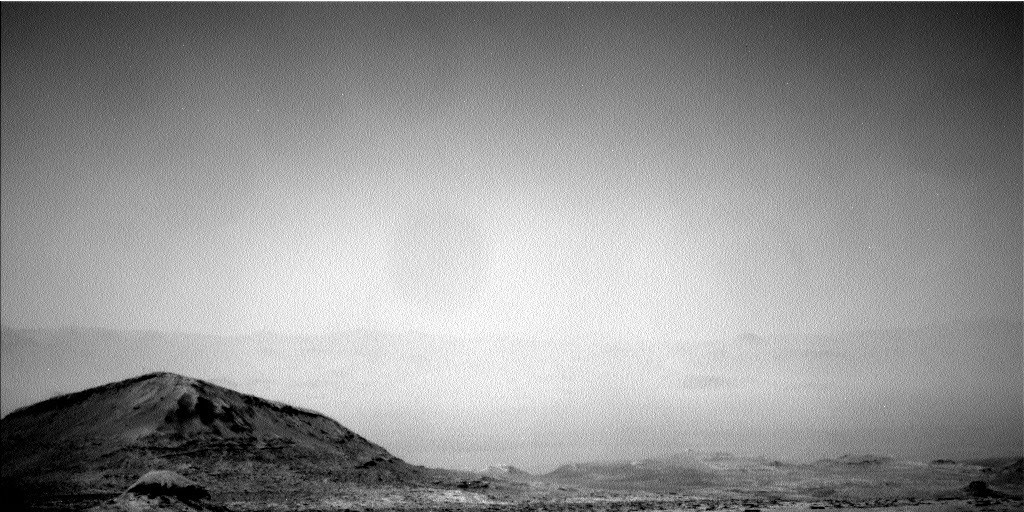
Our mission isn’t solely about peering into Mars’ history; we are equally invested in understanding its current environmental conditions. As the Martian year transitions from the summer to the fall, we’ve noted the atmosphere calming down. As we move away from the dusty season—referred to as the “C” storm season—there’s heightened potential for moderate-sized localized dust storms. We diligently monitor dust and cloud patterns with both Mastcam and Navcam, and continuously employ reliable REMS instruments to enhance Gale Crater’s daily weather records with precise measurements.
Source: science.nasa.gov