


12TB Steam “Teraleak” exposes more than a decade of lost PC gaming history
The reported Steam2 archive includes beta builds, prototypes, cut content, and development assets from games such as Portal 2, Left 4 Dead 2, and other major PC releases.
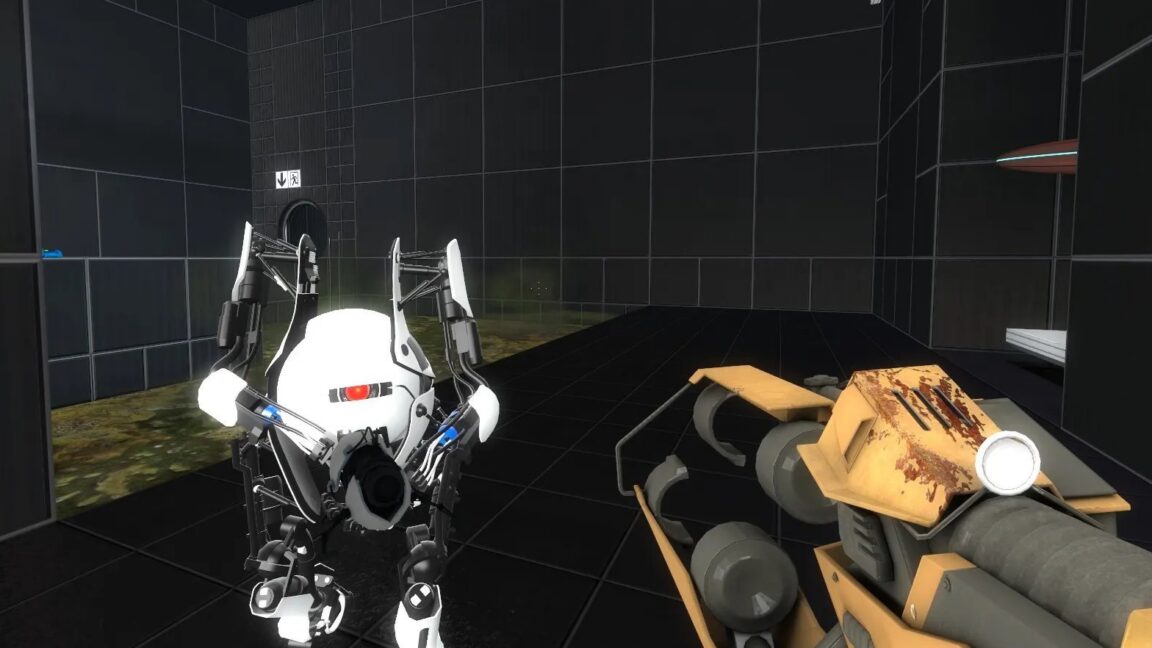
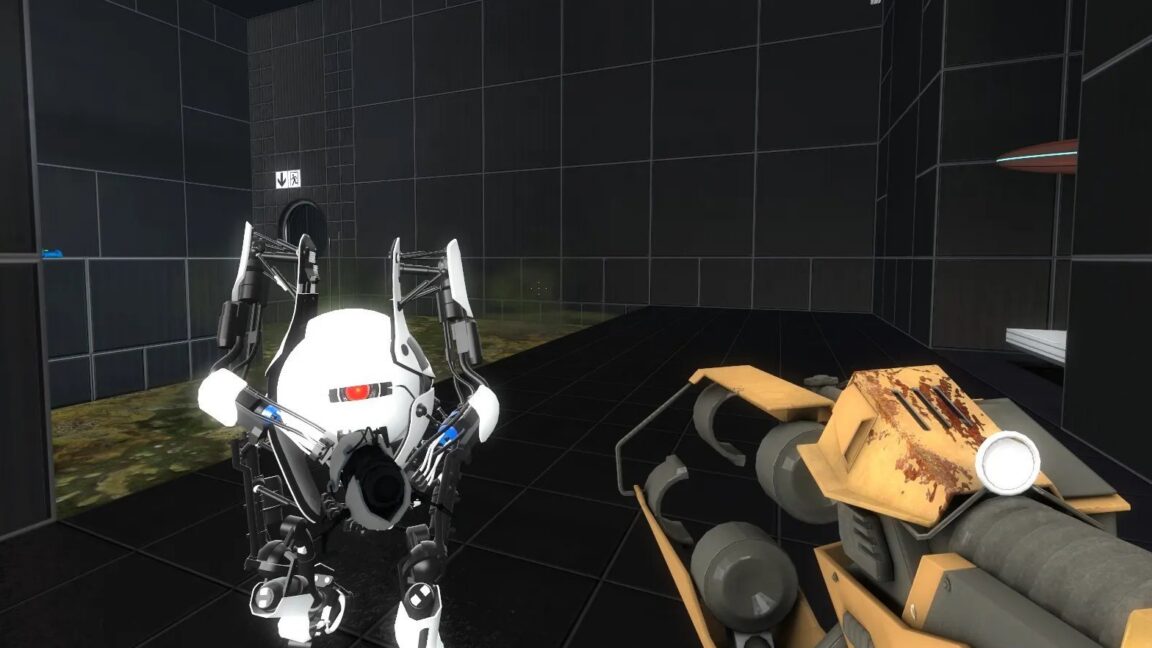
A prototype weapon model reportedly found in an early Valve development build.
Credit: Valve / HL_Alyx_NoVR
A reported 12TB archive connected to Valve’s legacy Steam2 content servers is circulating online, offering researchers an unprecedented look at unreleased PC game builds and development history from roughly 2003 through 2013.
The collection is said to contain thousands of archived “warehouses”—packages that stored different versions of games on Steam’s older distribution infrastructure. Alongside publicly released builds, investigators have reportedly found pre-release versions, prototypes, internal experiments, and playtest files from Valve and third-party publishers.
The archive has been widely referred to as the “Steam Teraleak,” although the full origin, chain of custody, and authenticity of every file have not been independently verified. Researchers are continuing to examine the material while publishers and rights holders assess the potential security and copyright implications.
Why the Steam2 archive ends around 2013
The apparent cutoff corresponds with Valve’s transition from its older Steam2 infrastructure to SteamPipe, a newer content delivery system based on standard HTTP file distribution. SteamPipe also improved the way Steam handled updates by allowing clients to download only the files that had changed.
Before that migration, older Steam builds were often difficult to access. Some versions survived only on users’ hard drives or within private collections, leading game archivists to classify portions of PC gaming history as lost. The reported archive suggests that far more of this material may have remained available on legacy servers than previously believed.
Valve data researchers have claimed that the files may have been obtained from publicly reachable infrastructure rather than through a conventional password-protected breach. It remains unclear whether the archive was recently retrieved from old servers, assembled from private collections, or created through a combination of both methods.
Portal 2 beta content draws immediate attention
Early investigations have focused heavily on Portal 2, where researchers have reportedly identified playable development builds and scenes that did not appear in the final game.
The discoveries reportedly include unused dialogue involving GLaDOS, an early storyline involving Aperture Science founder Cave Johnson, and experimental gameplay systems. Dataminers have also highlighted references to a full circular portal, adhesive gel, a slow-motion weapon, and other mechanics that were later removed or substantially changed.
One prototype weapon has attracted particular interest because it resembles an asset previously associated with the long-canceled Half-Life 2: Episode Three. The connection does not confirm that the weapon was intended for that project, but it has renewed discussion about Valve’s unreleased work and the many ideas shared between the company’s games.
Researchers examine unused dialogue and other reported Portal 2 development content.
Possible Half-Life 2: Episode Three files found
The reported archive does not appear to contain a complete playable build of Half-Life 2: Episode Three. However, researchers say they have located several files labeled with “Episode 3” references inside one or more depots.
Those files could relate to experiments, prototypes, tools, or assets that were never part of a complete game. As a result, their existence offers clues about Valve’s development process but does not establish that the long-awaited sequel was ever close to release.
Beta builds from Left 4 Dead, Counter-Strike, and F-Stop
Valve’s other games are also reportedly represented. Early versions of Left 4 Dead 2 and Counter-Strike: Global Offensive have drawn interest because they may reveal removed maps, character models, interface elements, and gameplay concepts.
Investigators have also identified material connected to F-Stop, the camera-based project that was once planned as a follow-up to Portal. The project was never released, but previously known footage and documents have given fans a partial view of its unusual photography-focused mechanics.
Third-party games expand the archive’s scope
The reported Steam2 collection extends well beyond Valve’s own catalog. Early builds and prototypes linked to games including Spore, Dragon Age: Origins, Batman: Arkham Asylum, Sonic the Hedgehog 4, and Spec Ops: The Line have reportedly been identified.
These files may include content uploaded to Steam for testing or distribution shortly before a game’s launch. They are unlikely to represent every version created during development, since many internal builds remained on private developer systems. Even so, release candidates and test packages can preserve unused assets, unfinished levels, alternate storylines, and technical experiments.
Legal and security questions remain
The archive raises significant legal concerns because it reportedly contains material from numerous publishers and developers. Unreleased game builds, artwork, source assets, audio, and other files may be protected by copyright, even when the games themselves are more than a decade old.
Preservation groups and researchers also face practical risks when examining or distributing the files. Valve has not publicly confirmed the full scope or origin of the reported archive, and rights holders may seek to remove copies hosted on public services.
From a security perspective, the incident highlights the risks of leaving legacy content infrastructure accessible after a platform migration. If the archive did originate from publicly reachable Steam2 systems, it could represent one of the largest accidental exposures of PC game development history.
The Steam Teraleak is already being compared with other major video game data releases, including Nintendo’s so-called Gigaleak. Whether the collection proves authentic in its entirety, it has renewed interest in the beta versions, canceled projects, and abandoned ideas that shaped modern PC gaming.
Source: arstechnica.com