


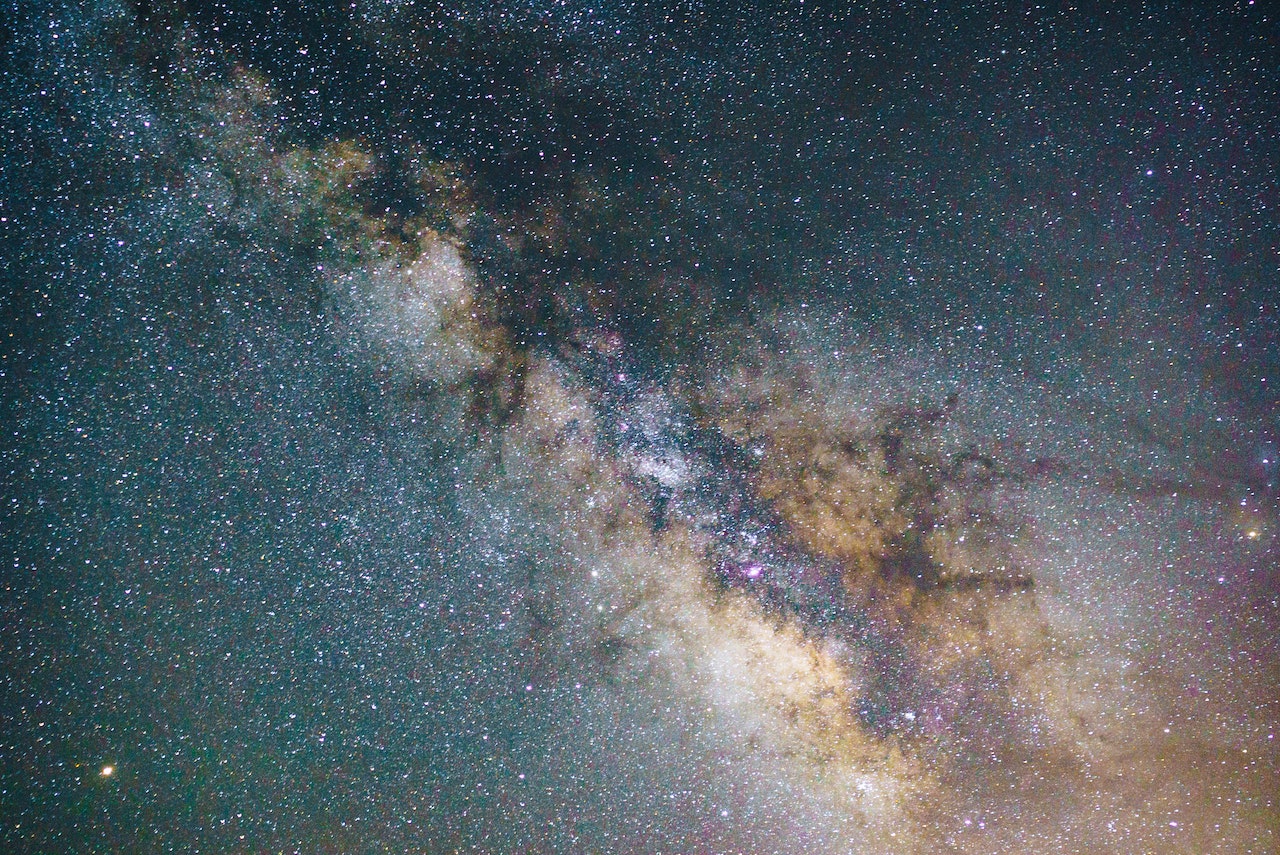
Space, the vast expanse beyond our planet, has always been a source of wonder and intrigue. It’s a realm that sparks our curiosity and challenges our understanding of the universe. In this article, we’ll delve into five captivating facts about space, shedding light on its immense scale, mysteries, and the profound impact it has on our world.
The Incomprehensible Scale of the Universe
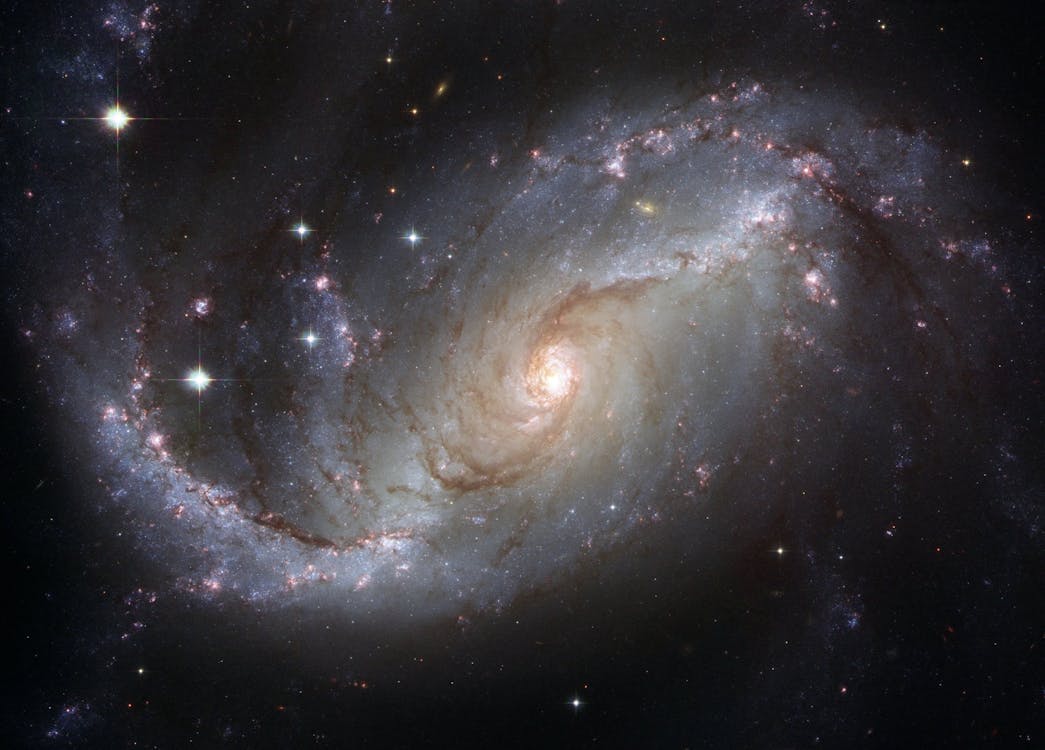
Space is mind-bogglingly enormous. The observable universe, which is the part of the cosmos we can detect with our telescopes and instruments, spans a staggering 93 billion light-years in diameter. To put that in perspective, one light-year is approximately 5.88 trillion miles (9.46 trillion kilometers). This vast scale means that light from the farthest observable objects has taken 93 billion years to reach us, offering a glimpse into the distant past of our universe.
Within this unimaginably vast expanse, there are estimated to be more than 2 trillion galaxies, each containing billions to trillions of stars. Our Milky Way galaxy is just one of these, and it alone hosts over 100 billion stars. The sheer size and complexity of the universe continue to astound astronomers and cosmologists, leading to new discoveries and questions about its origin and ultimate fate.
Space is Not Truly Empty
While space may appear as a void, it is not entirely empty. The interstellar medium, the matter that exists in the space between stars, is not a perfect vacuum. It consists of extremely sparse particles, primarily hydrogen and helium gas, as well as dust particles. These particles are dispersed over vast distances, making the density of matter in space incredibly low. However, even this sparse interstellar medium can have a significant impact on the behavior of stars and galaxies.
Moreover, space is not completely silent. Sound, as we understand it, requires a medium to travel through, which space lacks. However, electromagnetic waves, including those in the visible light spectrum, can travel through space and be detected by our instruments, allowing us to “see” and study distant cosmic phenomena.
The Effects of Gravity Vary Across the Universe
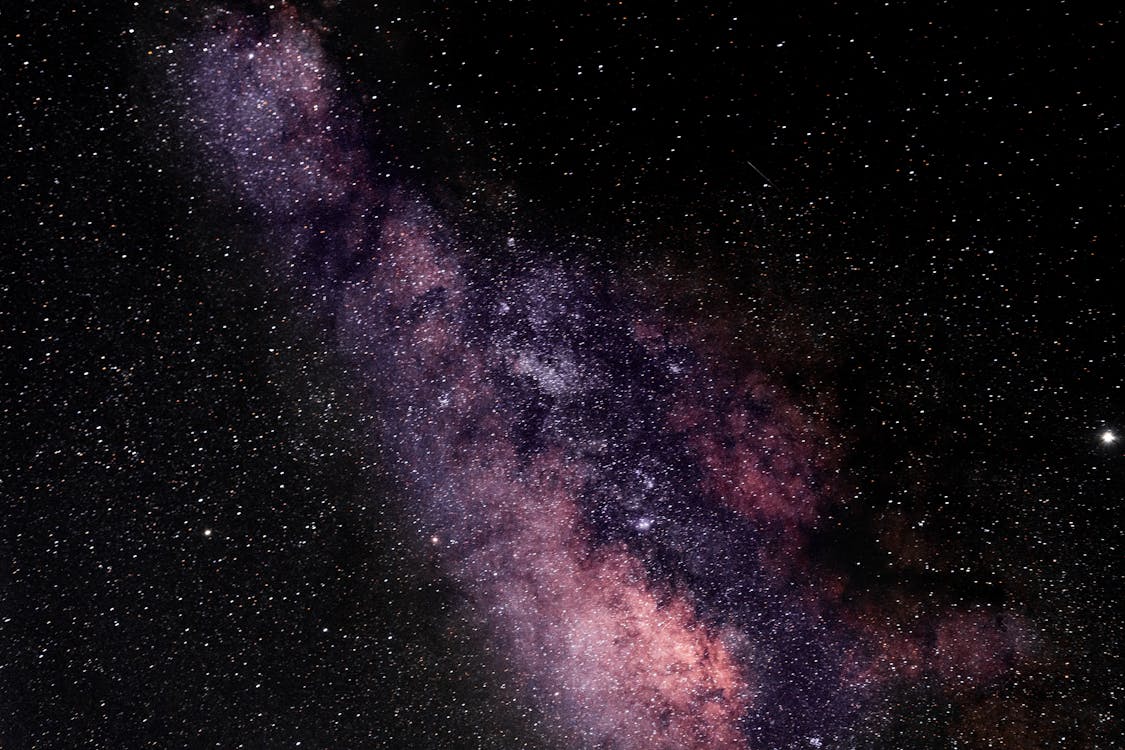
The force of gravity, which governs the motion of celestial bodies, is not constant throughout the universe. It varies depending on the mass and density of objects in a given region. Near massive objects like stars and black holes, gravity is incredibly strong, causing spacetime to curve significantly. This curvature is responsible for phenomena like gravitational lensing, where light from distant objects is bent as it passes near massive celestial bodies.
Conversely, in the vast expanses of space between galaxies, gravity is much weaker, allowing galaxies to move away from each other due to the expansion of the universe. This phenomenon, known as cosmic expansion, was first observed by astronomer Edwin Hubble and is a key component of the Big Bang theory.
Time is Relative in Space
Albert Einstein’s theory of relativity, specifically the theory of special relativity, introduced the concept that time is not an absolute constant but is relative and can vary depending on the relative motion of objects. This concept has profound implications for space travelers and objects in space.
When objects move at speeds close to the speed of light, as is the case with spacecraft, time dilation occurs. This means that time passes more slowly for the moving object relative to an observer at rest. As a result, astronauts on high-speed space missions, even those lasting just a few years, age slightly less than their counterparts on Earth. This phenomenon has been confirmed experimentally and is crucial for GPS systems, which require precise timing adjustments due to their orbital motion.
Black Holes: Cosmic Puzzles and Phenomena

Black holes are some of the most mysterious and enigmatic objects in the universe. They are regions in space where gravity is so intense that nothing, not even light, can escape their grasp. Black holes can form when massive stars collapse under their own gravity or through the collision and merging of smaller black holes.
While black holes themselves are invisible, they can be detected through their effects on nearby matter and light. For example, as matter is drawn into a black hole’s gravitational field, it forms an accretion disk that emits intense radiation, including X-rays. Observations of these emissions have allowed astronomers to identify and study black holes.
In 2019, the first-ever image of a black hole’s event horizon, the boundary beyond which nothing can escape, was captured by the Event Horizon Telescope collaboration. This groundbreaking achievement marked a significant milestone in our understanding of these mysterious cosmic entities.
Space, with its immense scale, cosmic phenomena, and the mysteries it holds, continues to captivate and challenge our understanding of the universe. From the incomprehensible vastness of the cosmos to the enigmatic nature of black holes and the relativistic effects of space travel, the study of space opens new horizons of knowledge and exploration.
As technology advances and our understanding deepens, we can expect even more remarkable discoveries and revelations about the universe that surrounds us. The exploration of space not only expands our scientific knowledge but also fuels our sense of wonder and inspires generations to dream of reaching for the stars.
Images: Pexels