


Denmark’s Largest Viking Silver Hoard Found Beneath a Backyard Terrace
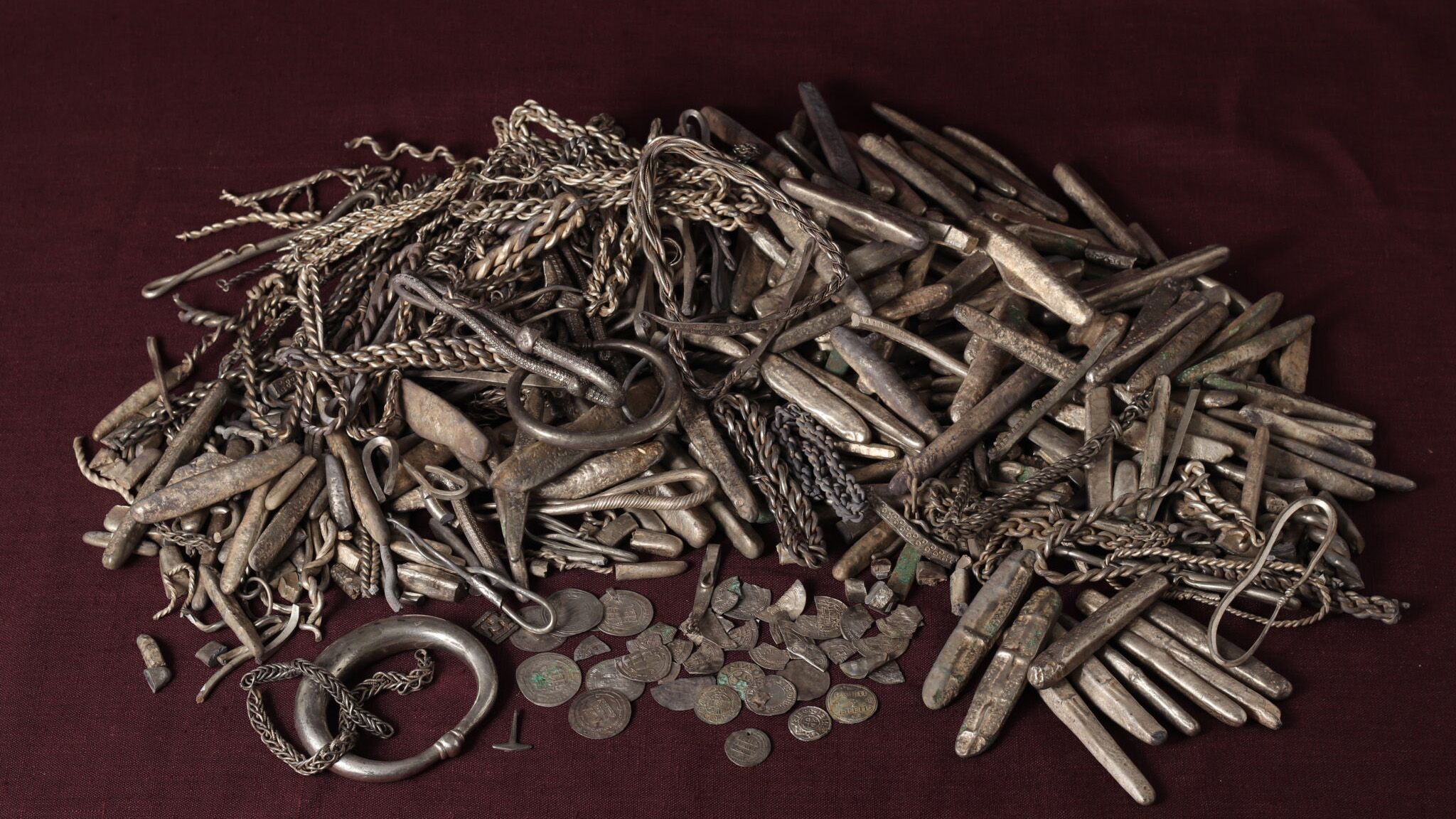
A Danish homeowner made an extraordinary archaeological discovery while building a backyard terrace: more than 40 pounds (18.5 kilograms) of silver dating back around 1,100 years. Researchers say the find is the largest known Viking Age silver hoard ever discovered in Denmark.
The remarkable Viking treasure contains approximately 700 silver objects, including silver bars, jewelry, bracelets, 47 complete coins, coin fragments and small pieces of cut silver. The hoard also includes a Thor’s hammer, a pendant commonly associated with protection and belief in the Norse gods.
About 320 objects were placed inside clay vessels, while the remaining items were found scattered in the surrounding soil. According to the North Jutland Museum, the hoard is nearly three times larger than Denmark’s previous record-breaking Viking Age silver discovery.
One of the silver bars is engraved with runes, the writing system used by Scandinavian communities during the Viking Age. Researchers believe the inscription may read “Hutu,” which could have been a personal name or an ownership mark.
An anonymous homeowner discovered the Viking silver hoard while removing grass, stones and gravel to prepare the ground for a new tiled terrace. The unexpected find produced a strange sound beneath the soil.
“What was supposed to be several hours of grueling gardening work turned out to be the biggest surprise of my life,” the homeowner said in a statement.
Coins Reveal the Hoard’s Viking Age Date
Among the coins are two Anglo-Saxon silver pennies minted during the reign of Edward the Elder, who ruled from 899 to 924. These coins suggest that the treasure was buried sometime during the 10th century.
The hoard also contains Islamic coins, offering further evidence of the extensive trade networks that connected Viking Age Denmark with Europe and regions farther east. Archaeological discoveries have shown that Viking communities traded with the Islamic world, and some Scandinavian coins were made by melting down Islamic silver currency.
A Viking-Era Storehouse of Wealth
Researchers say the objects were carefully organized according to their weight. The silver bars, bracelets and cut-silver pieces belong to specific weight groups, indicating that the collection was not a random accumulation of objects.
Instead, the arrangement suggests that the hoard functioned as a carefully managed store of wealth. During the Viking Age, silver was used not only for jewelry and decoration but also as a medium of exchange. Pieces could be weighed and divided to make payments.
Image credit: North Jutland Museum
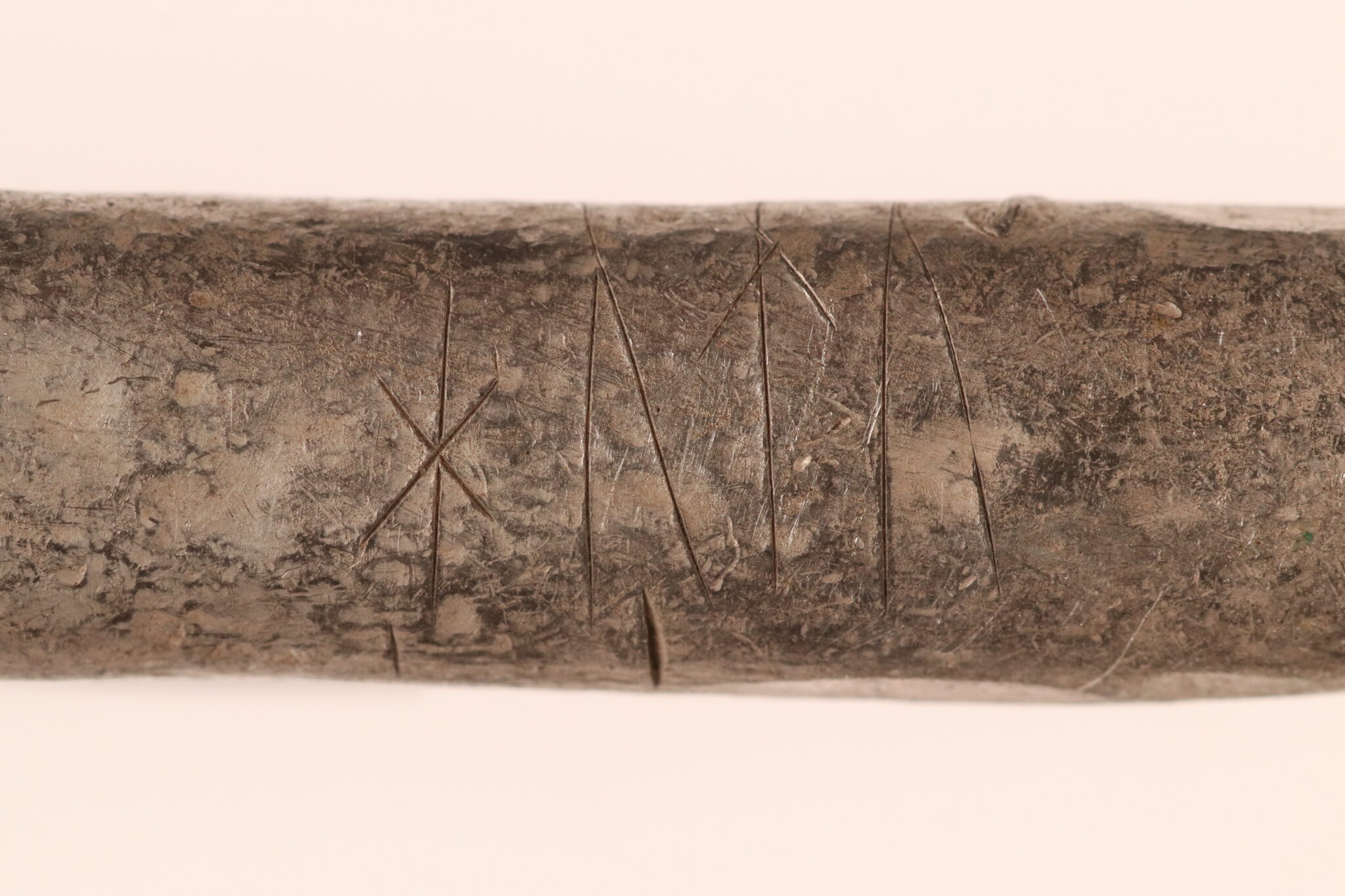
Image credit: North Jutland Museum
“This treasure shows very clearly how silver functioned as wealth and payment during the Viking Age,” said Torben Sarauw, a cultural heritage manager at the North Jutland Museum. “It is like finding a Viking-era safe.”
Why Was the Viking Treasure Buried?
The reason the hoard was buried remains unknown. It may have been hidden beside an abandoned road near a Viking settlement, or stored in a secluded location to protect it from theft.
Determining the original context could require a large-scale archaeological survey. However, such an investigation may be difficult because the discovery was made in a developed residential area.
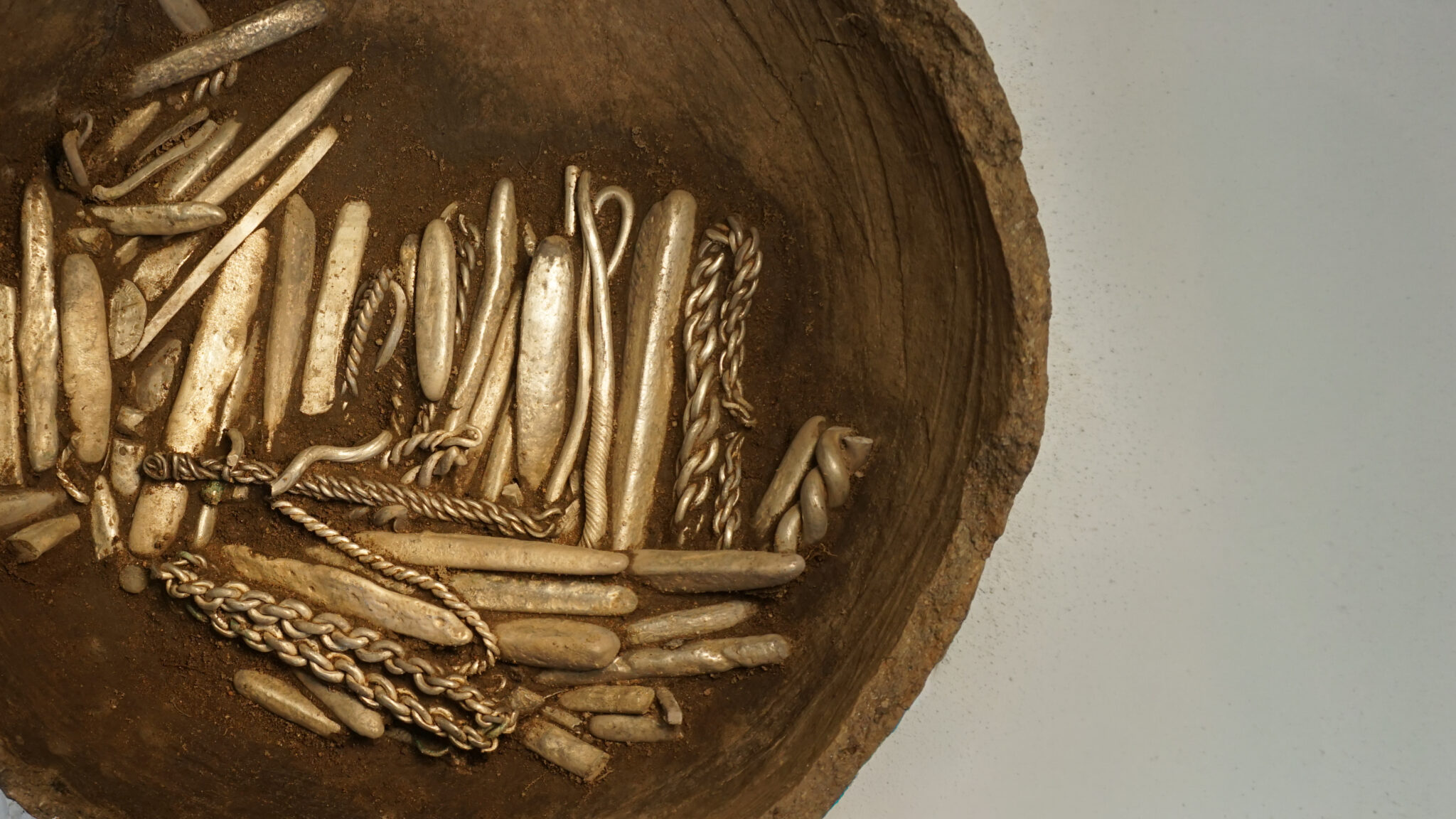
Image credit: North Jutland Museum
The discovery has been submitted to the National Museum of Denmark for further examination and evaluation. Specialists will continue analyzing the coins, inscriptions, weights and other objects to learn more about the hoard’s owner and the Viking-era economy.
How much do you know about the ancient Norse people? Test your knowledge with our Viking quiz.
Source: www.livescience.com