


Tirzepatide May Activate Calorie-Burning Brown Fat, Mouse Study Finds
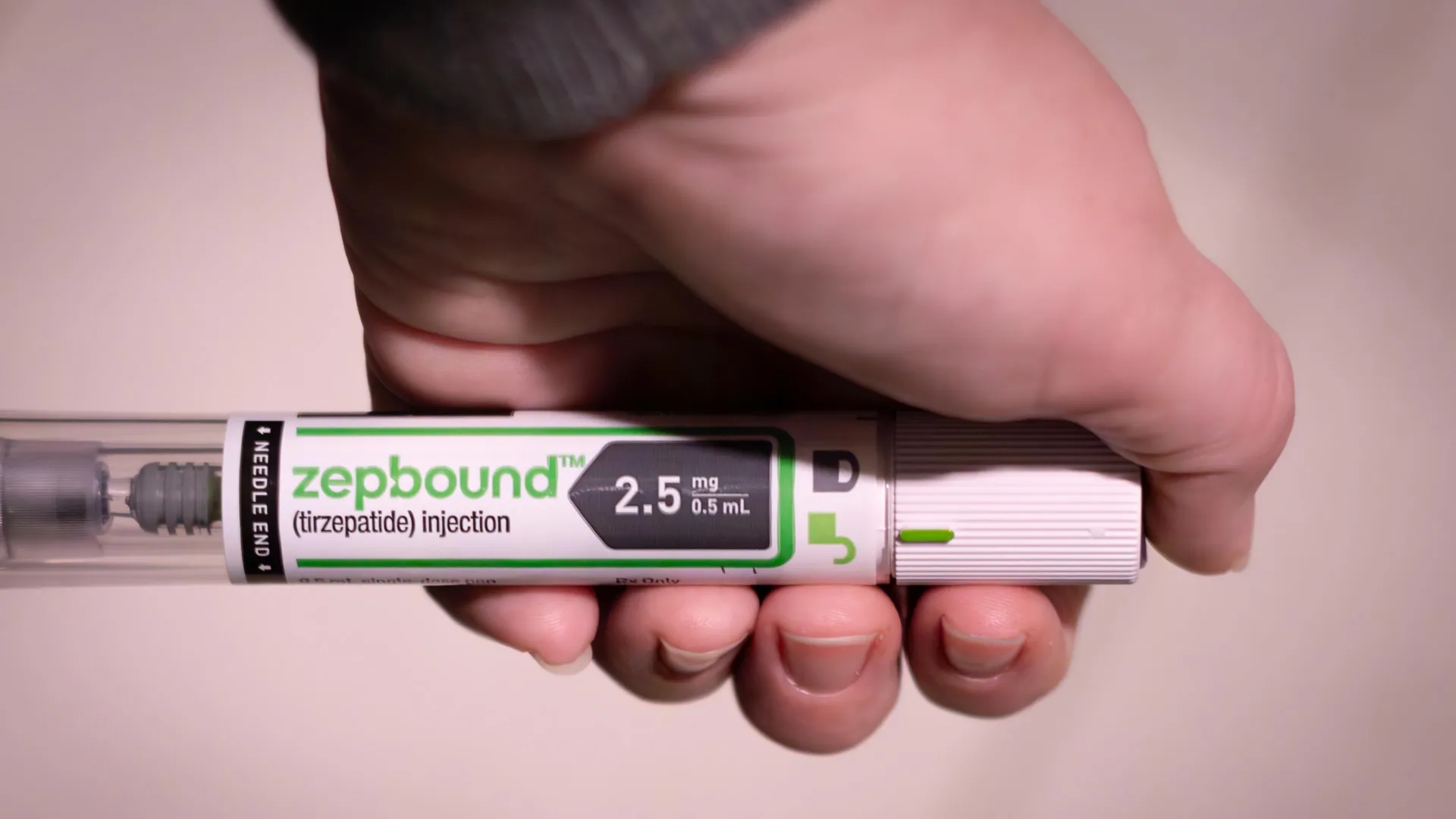
Tirzepatide, the active ingredient in Mounjaro, is an important treatment for obesity and type 2 diabetes. New research in mice suggests the drug may do more than reduce appetite and food intake: it may also improve metabolism by activating brown adipose tissue, a type of fat specialized for using energy.
The findings offer new insights into how tirzepatide works and could support the development of broader treatments for obesity and other metabolic disorders. However, the results have not yet been confirmed in humans.
The study was led by Marion Peyrou, Ramón y Cajal Research Fellow at the Department of Biology and Institute of Biomedical Research at the University of Barcelona (IBUB), the Instituto de São João de Deu (IRSJD), and the Physiology of Obesity and Nutrition CIBER (CIBEROBN).
How tirzepatide targets two hormone receptors
Tirzepatide is approved for weight management in adults with obesity or overweight and related health conditions, as well as for the treatment of poorly controlled type 2 diabetes.
Unlike some other obesity medications, tirzepatide targets receptors for two hormones: glucose-dependent insulinotropic polypeptide (GIP) and glucagon-like peptide-1 (GLP-1). This dual mechanism can lead to significant weight loss, primarily because the drug reduces food intake.
The researchers wanted to determine whether tirzepatide also caused metabolic changes that could not be explained solely by eating less.
Tirzepatide activated brown adipose tissue in obese mice
Because this type of detailed tissue analysis is difficult to perform in humans, the researchers studied how tirzepatide affected different fat deposits in an experimental mouse model. Obese mice fed a high-fat diet were treated with tirzepatide.
The researchers compared those mice with animals that received the same amount of food but did not receive the drug. Controlling food intake allowed the scientists to distinguish changes caused directly by tirzepatide from changes associated with reduced calorie consumption.
Analysis showed that tirzepatide activated brown adipose tissue. Unlike white adipose tissue, which primarily stores fat and often accumulates with obesity, brown fat is specialized for using energy and producing heat.
“This activation is associated with an increased capacity to burn metabolic energy and the production of batokine by brown adipose tissue, a molecule beneficial for metabolism,” says Marion Peyrou.
The findings suggest that tirzepatide may influence metabolism beyond its effects on appetite and food intake.
“The drug not only reduces weight, but also has a beneficial effect on metabolism. Active brown adipose tissue ‘burns’ glucose and fat in the body. This is thought to contribute not only to weight loss, but also to the positive effects of lowering blood sugar and fat levels and improving metabolism,” the researchers point out.
Could brown fat offer a broader strategy for obesity treatment?
Scientists have long considered brown fat activation a potential strategy for treating obesity and other metabolic diseases. However, previous attempts to activate brown adipose tissue with drugs have often failed because of unwanted side effects, particularly effects on the heart.
“Tirzepatide activates brown adipose tissue but does not have these negative effects, but rather shows cardiovascular benefits. If our findings are confirmed in humans, it would reinforce the importance of developing therapeutic strategies that not only reduce food intake but also increase energy expenditure and brown fat activation,” the researchers explain.
The results support the possibility that obesity treatments may be more effective when they target multiple physiological processes instead of focusing solely on appetite.
“This may help improve weight management and reduce associated diseases such as type 2 diabetes and other metabolic disorders,” she added.
Tirzepatide research could support more personalized treatment
A clearer understanding of how tirzepatide works could also influence how this class of medication is prescribed in the future.
“Identifying which patient profiles, such as those with lower energy expenditure, will benefit most will open the door to more personalized medicine based not only on appetite and weight management, but also on overall metabolic status,” she emphasizes.
More human research is needed
The researchers cautioned that the findings came from mice and cannot yet be considered equally applicable to humans. Human and mouse metabolism can differ significantly, as can fat distribution and the way adipose tissue responds to drugs.
“This study was carried out in mice, so caution should be taken as there may be significant differences between species in terms of metabolic regulation, adipose tissue distribution and response to drugs. Therefore, more clinical evidence is needed about the effects of these drugs on fat in humans,” Professor Peyrou concludes.
Source: www.sciencedaily.com