


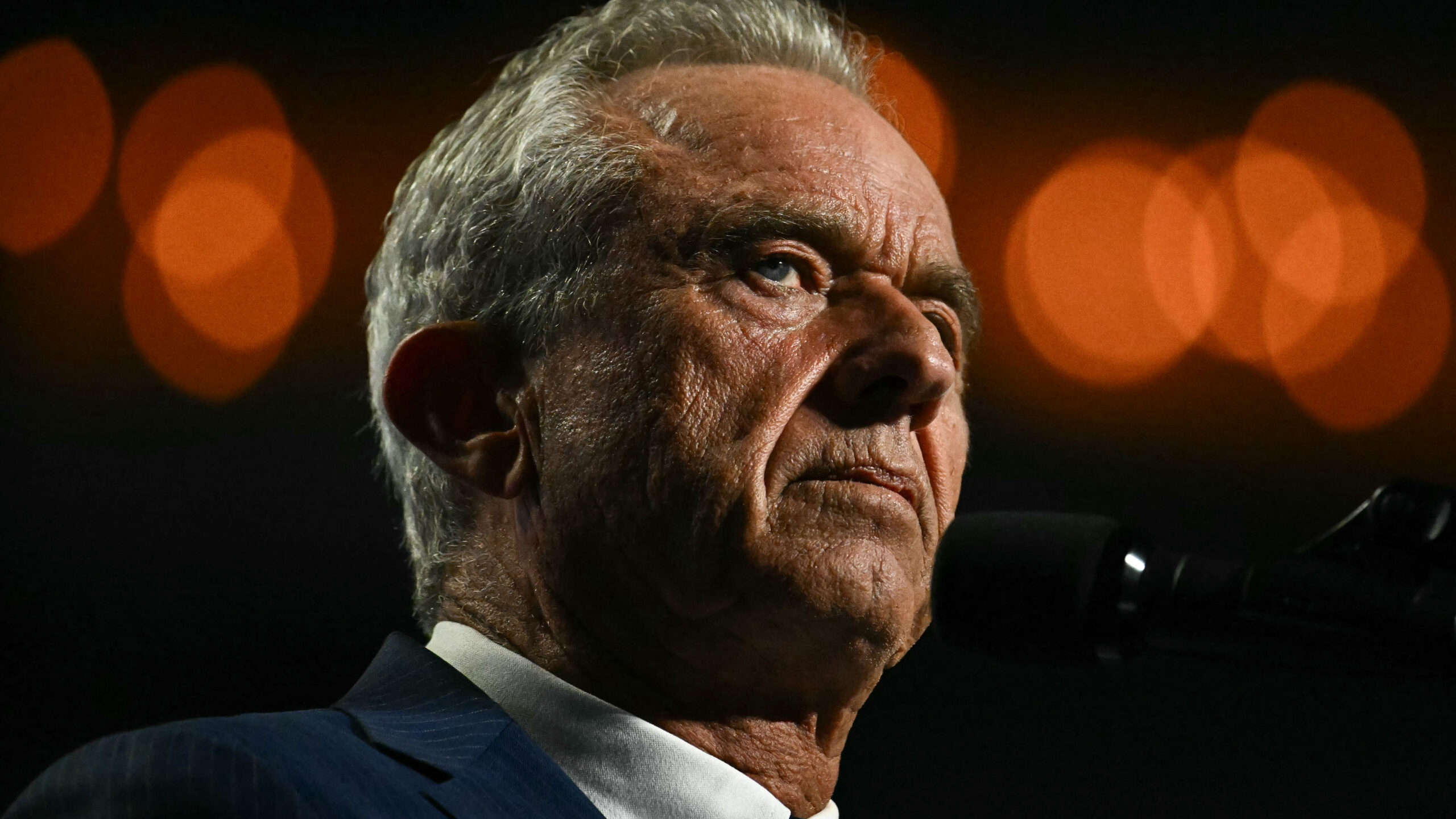
RFK Jr. Says AI Could Challenge Medical Experts at MAHA Event
At Tuesday’s “Make America Healthy Again” event, anti-vaccine Health Secretary Robert F. Kennedy Jr. began a planned “fireside chat” with Vice President J.D. Vance by discussing artificial intelligence. The MAHA movement typically focuses on healthy lifestyles and distrust of pharmaceutical companies, but Kennedy quickly shifted to the potential of AI—surprising Vance, who said he had planned to discuss “weight loss and acid, not AI.”
Kennedy said the Trump administration is “making AI readily available to every American,” arguing that the technology could free people from what he described as the “medical tyranny” of doctors and health professionals.
He claimed that AI “has better information than any doctor in the country” and suggested that Americans use chatbots to seek second opinions about medical recommendations. Kennedy also implied that AI would support his views about vaccines and public health guidance.
“We will never again be under the control of public servants who say they trust experts, because every American will be able to check their own medical advice,” Kennedy said.
RFK Jr. Claims AI Could Contradict Health Experts
Kennedy, who has no background in medicine, science, or public health, pointed to several examples that he said demonstrate differences between AI systems and medical experts.
“If someone says masks are effective, trust the experts, AI might say it’s not. If someone says social distancing is effective, trust the experts, AI might fix that. And if someone says vaccines prevent infection and transmission, oh, you need to get vaccinated to protect grandma, AI might say it’s not really that effective.”
However, responses from major AI chatbots did not support Kennedy’s examples about masks and social distancing. When asked, “Are masks effective in preventing the spread of infectious diseases?” Google’s Gemini responded:
“Yes, masks work to reduce the spread of respiratory infections, primarily acting as a physical barrier to the entry and exit of infectious particles.”
Gemini added that real-world effectiveness depends heavily on mask quality, fit, and compliance at the population level.
ChatGPT gave a similar answer, stating: “Yes, masks can reduce the spread of some infectious diseases, especially respiratory infections that are transmitted through droplets and aerosols.”
AI Chatbots Also Support Social Distancing
The chatbot gave a similarly positive response when asked whether social distancing helps prevent infectious diseases.
“Yes, social distancing is an effective public health measure to reduce the transmission of infectious diseases, especially respiratory pathogens,” Gemini responded.
Source: arstechnica.com