


More Than 1,000 Tower Mustard Plants Grown by London Volunteers
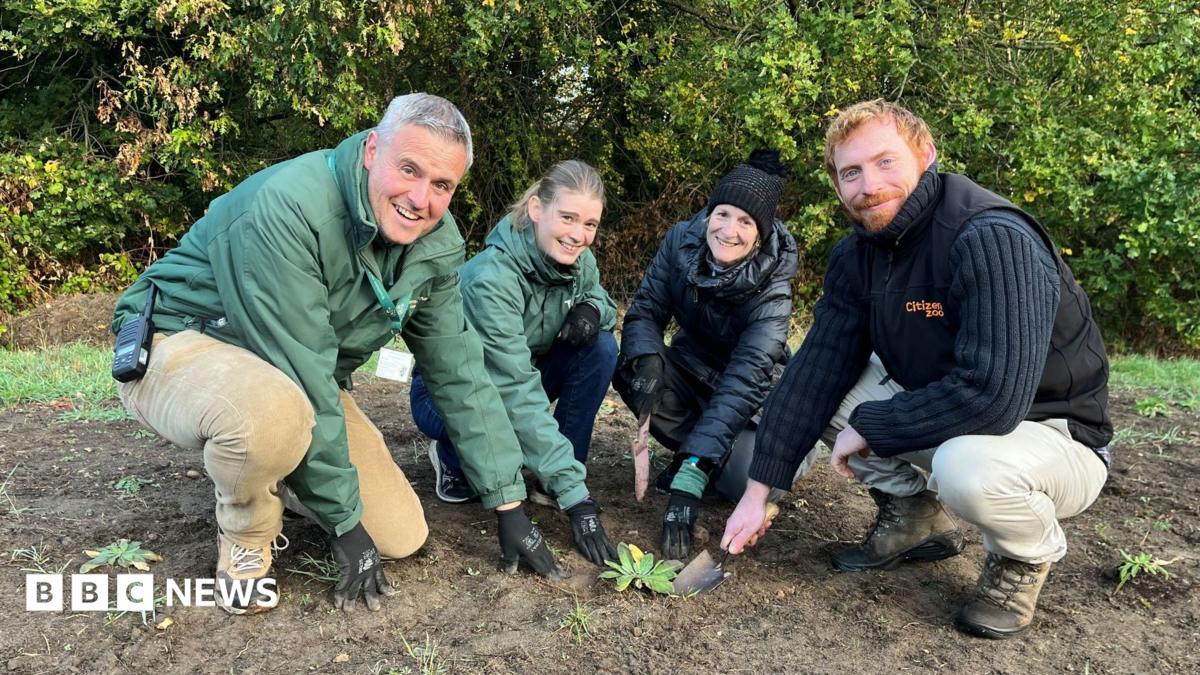
More than 1,000 tower mustard plants have been grown and planted by volunteers across London as part of a major effort to restore one of the capital’s rarest native wildflowers.
The first year of the community-led Tower Mustard Project has now been successfully completed. The conservation project aims to support a plant that is essential to bees, butterflies and rare moths.
Community project helps restore London’s rare tower mustard
Led by Citizen Zoo and Habitats & Heritage, the project brings together land managers, community groups, conservation partners and volunteers.
Plants grown by volunteers are being replanted across London in locations where tower mustard was previously known to grow.
At the heart of the project are the Mighty Mustard volunteers. In March, they attended a workshop to learn how to sow the plant’s small seeds and received growing equipment, including pots, seed trays and soil.
The seed was sourced from London’s last remaining tower mustard populations at Lesnes Abbey Woods in Bexley and Stain Hill Reservoir in Richmond upon Thames.
Volunteers plant tower mustard across London
Seeds are currently being planted at Wimbledon Common, Hounslow Heath, Lesnes Abbey Woods and Barnes Common.
“I have a passion for getting people involved in conservation efforts. Through this Tower Mustard project, we have given local residents a unique opportunity to really protect one of London’s rarest plants,” said Charlotte Harris, conservation manager at Habitats & Heritage.
“I could see that all the volunteers were very attached to it.”
Harris added: “We hope this model can be used as a blueprint to similarly support other rare plants with the help of volunteers.”
Final planting day at Hampton Court Palace
The final planting day will take place on Tuesday at Hampton Court Palace’s Home Park, using plants grown independently by the Historic Royal Gardens team and volunteers.
Botanist Dr Mark Spencer also provided expert support throughout the project.
Source: www.bbc.co.uk