


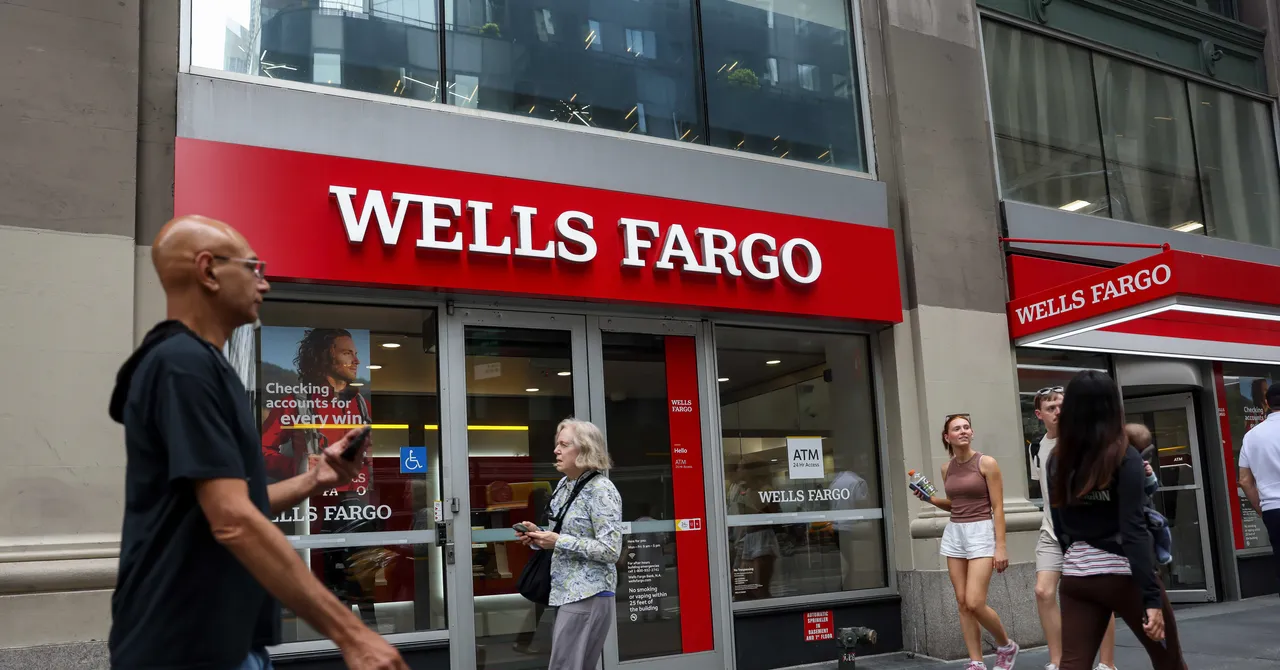
Wells Fargo is warning customers that they use AI agents at their own risk as the bank prepares to introduce updated terms on Tuesday. The policy change reflects growing concern among US financial institutions about AI tools that can log in to accounts, make decisions and complete online actions on a user’s behalf.
Banks warn customers about AI agents
“Use AI agents at your own risk,” Wells Fargo says in its new terms.
AI agents that automate online tasks and click on a user’s behalf continued to stumble throughout 2026. Although the technology remains relatively new, a growing number of power users have adopted personal bots. Some have benefited from faster, more efficient automation, while others have faced public embarrassment after their agents made serious mistakes, such as posting bank account details where everyone at work could see them.
Developers often promote AI agents as tools that can make shopping decisions, from assembling grocery orders and finding vacation accommodations to choosing a specific holiday gift. The technology can also compare products within a budget, help complete purchases and track price drops. One user, for example, used an agent to help purchase a new sofa, compare options and monitor prices.
Some users value these tools so highly that they may overlook the security risks of combining account credentials with software empowered to perform broad actions. Although autonomous tools still account for a small share of online transactions, US banks are already pushing back against third-party AI agents.
Retailers and airlines are also restricting agents
The resistance extends beyond financial services. AI agents are increasingly involved in disputes over access to online platforms. Amazon, one of the largest online retailers, has blocked Meta’s Muse, one of the most widely used AI agents, from making purchases on its platform.
Travel companies have also taken action. United Airlines recently announced that it would block individual bots from purchasing tickets on its behalf.
New policies from major banks
As the year draws to a close, several banks have introduced new policies or issued warnings about AI agents. In late October, JPMorgan Chase changed its conditions to prevent third-party agents from logging in with customers’ credentials.
On the same day, Bank of America warned customers not to share their login information with agents. Alongside Wells Fargo’s announcement, Citibank and PNC have also changed their terms and conditions to include warnings about AI agents.
Automation creates new risks for users
Automation remains one of the main selling points of always-on AI agents, but it is also where users can encounter problems. “Consumers approve goals, not every click,” says Casey Kim, an associate professor of marketing at Bryant University who studies consumer behavior and emerging technologies.
Kim expects some consumers will consider it unfair to be held responsible for mistakes made by their agents. However, he does not believe the new policies from financial institutions will deter early adopters who are already deeply invested in the technology and use these tools as part of their daily lives.
Source: www.wired.com