


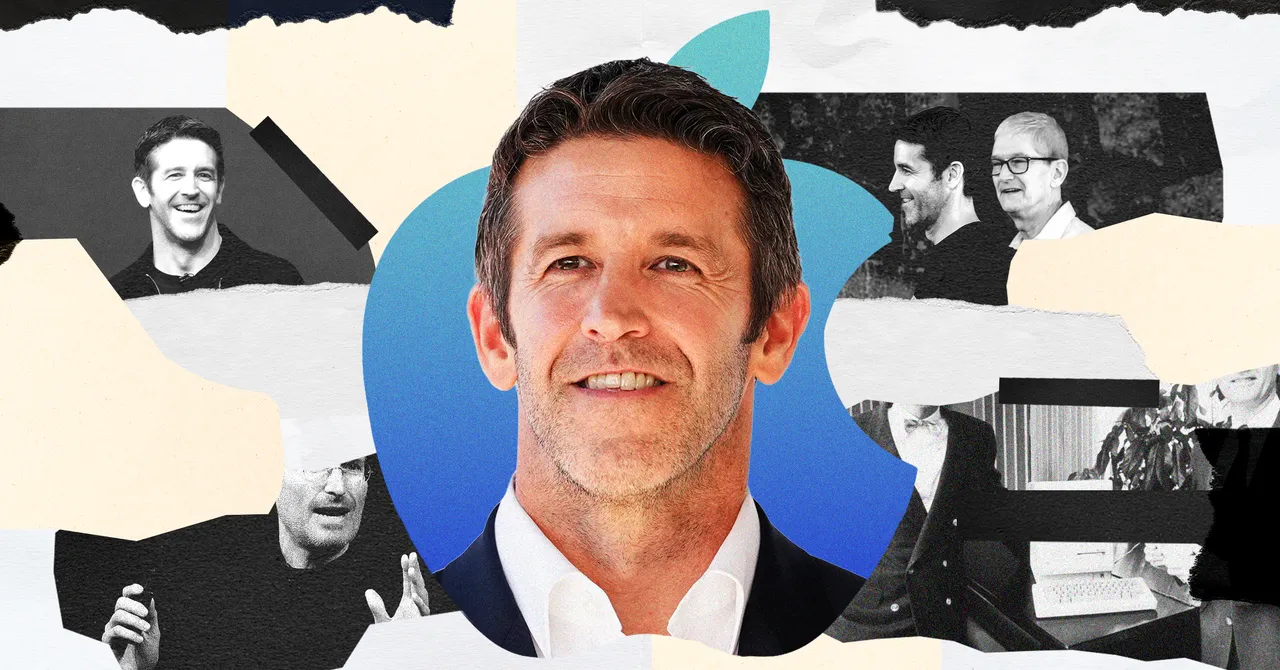
Apple executives say the company’s move toward touchscreen Macs took a decade because it required advances in display technology, custom silicon and software architecture. Hardware chief Johny Srouji said the combination ultimately met Apple’s standards, while marketing executive Jozwiak said professional users and younger creators increasingly expect to interact directly with MacBook Pro screens.
Why Apple says touchscreen Macs took a decade
“Ten years is a long time,” Srouji, Apple’s chief hardware officer, said. “A lot of things have changed, including display technology and custom silicon.” He said the combination of the chip, display technology and software architecture ultimately “met the criteria.”
“I want engineers to act on physics, not imagination or timelines,” Srouji added.
Professional users pushed for touch
Jozwiak retains the title previously held by Mr. Schiller—senior vice president of worldwide marketing—but acknowledged that touch had become outdated for users with advanced needs.
Apple’s professional customers, including engineers, scientists, software developers and media creators, were frustrated by the company’s inability to offer direct interaction with Mac screens. “Most pros own an iPad, and almost every pro owns an iPhone,” Jozwiak said. “So this comes naturally to them. Young creators and younger generations are using our MacBook Pros and expect to touch them.”
Apple’s focus on difficult engineering problems
Srouji and Jozwiak appear to view competing touchscreen implementations as inadequate. Apple executives often describe the company’s approach as one built around demanding high quality.
“If you’re doing something easy, you’re wasting your time,” said Srouji, who joined Apple in 2008 and has led the company’s custom silicon efforts while driving much of its hardware innovation.
“I like to outsource the simple things,” he continued. “So custom silicon is hard. The touch is hard. The display is hard. Everything we make is hard.”
This philosophy dates back to Steve Jobs’ era at Apple. It contrasts with the direction of the dominant AI industry, which aims to hand over the most difficult parts of industrial production to superintelligent systems by 2026.
Redesigning the MacBook Pro for touch
Srouji presents touch on the Mac as a series of engineering changes, beginning with what Ternus calls the best display ever used on a Mac. The design also includes custom silicon and a redesigned thermal system intended to keep the display from feeling hot during gestures such as pinching, stretching and swiping.
Srouji said current touchscreen laptops can create a “wobble” when a user touches the display. To reduce that effect, Apple redesigned the MacBook Pro’s screen hinge to make it more stable.
Source: www.wired.com