


Researchers at the Icahn School of Medicine at Mount Sinai have identified a molecular switch that may help explain why injured nerves struggle to heal. Their study found that the aryl hydrocarbon receptor (AHR) suppresses the ability of damaged neurons to rebuild axons, while blocking the protein promoted nerve-fiber regeneration and improved movement and sensation in mice with spinal cord or peripheral nerve injuries.
The findings, published in Nature, could point to new treatments for nerve and spinal cord injuries, which can cause permanent disability. The researchers say that several AHR-inhibiting drugs are already being tested in clinical trials for other diseases, potentially providing a starting point for developing therapies for neurological injuries.
A molecular brake on nerve regeneration
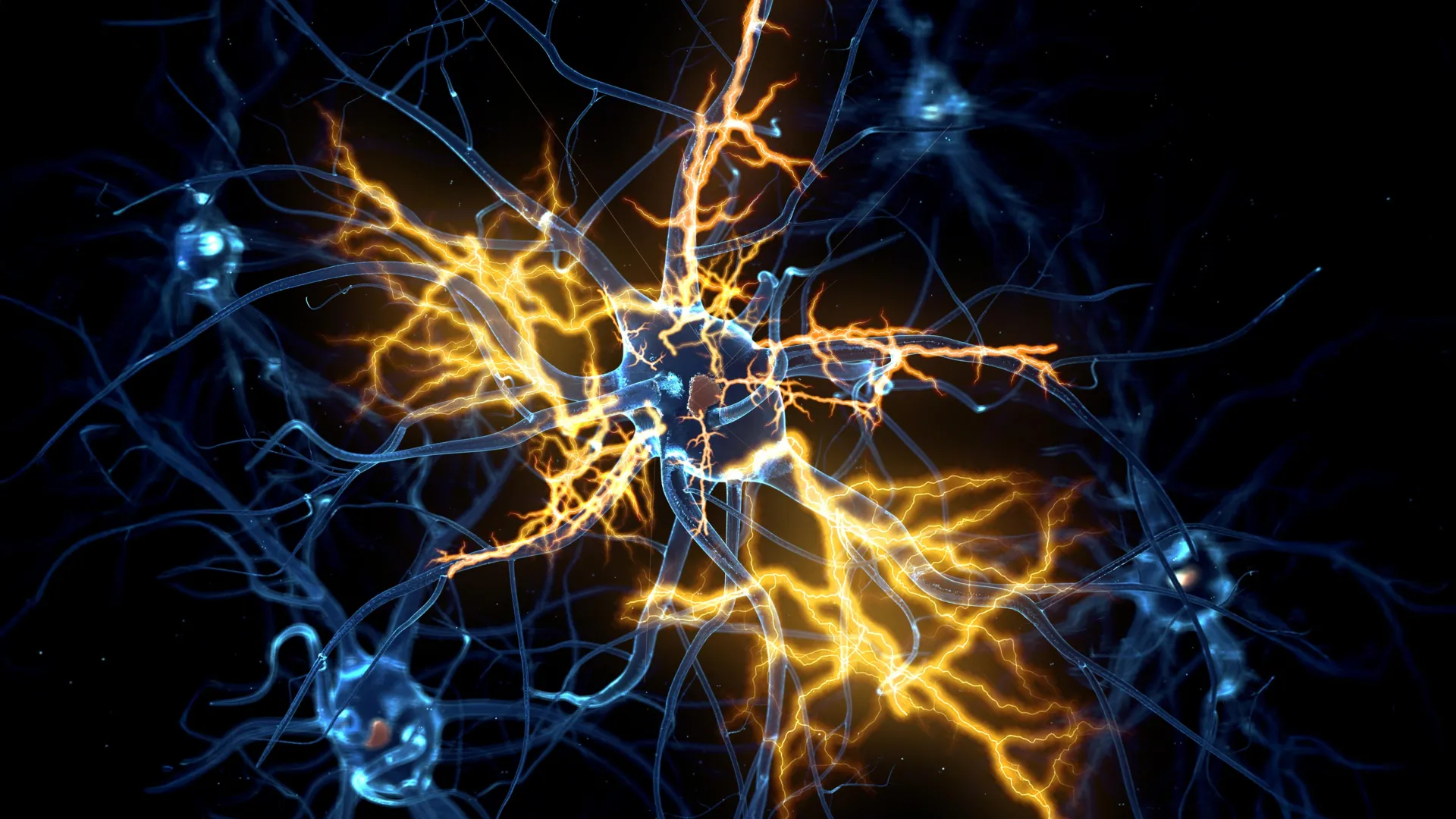
Neurons transmit electrical signals through long, thin fibers called axons. These fibers connect different parts of the nervous system, carrying information among the brain, spinal cord, muscles, and sensory organs. When axons are severed or damaged, rebuilding those connections is essential for restoring lost function.
However, adult mammals have a limited ability to regenerate neurons, particularly axons in the brain and spinal cord. As a result, severe neurological damage can lead to permanent disabilities. Understanding what prevents injured neurons from repairing themselves remains a major challenge in neuroscience.
Mount Sinai researchers found that AHR helps determine whether damaged neurons focus on protecting themselves from cellular stress or on rebuilding their connections.
“When neurons are damaged, they have to deal with stress while trying to regrow their axons,” said Hongyan Zou, MD, professor of neurosurgery and neuroscience at the Icahn School of Medicine at Mount Sinai and senior author of the study. “We found that AHR acts like a brake that shifts neurons toward managing stress rather than rebuilding damaged connections.”
Experiments showed that active AHR signaling restricted axonal growth. When the researchers genetically removed AHR from neurons or used drugs to inhibit its activity, damaged nerve fibers regenerated more effectively.
The benefits extended beyond regrowth. In mice with injuries to the spinal cord or to peripheral nerves connecting the brain and spinal cord with the rest of the body, inhibiting AHR improved both motor and sensory recovery.
Shifting neurons from survival to repair
Further experiments helped explain how AHR affects the response to injury. After neurons are damaged, AHR activates protective mechanisms that support proteostasis—the process of keeping proteins properly folded and functional while preventing damaged or abnormal proteins from accumulating inside cells.
This defense system helps neurons withstand the stress of injury, but it also limits the production of new proteins, including proteins required to rebuild damaged axons.
When AHR is inhibited, damaged neurons change their priorities. Instead of focusing mainly on managing cellular stress, they increase protein production and activate biological pathways that promote nerve-fiber growth.
The researchers also found that this regenerative response depends on another protein, HIF-1α. Best known for helping cells adapt to low-oxygen conditions, HIF-1α regulates genes involved in metabolism, cellular adaptation, and tissue repair.
“This finding shows that neurons utilize AHR to maintain a balance between survival and regeneration,” Dr. Zou said. “By releasing this brake, we can push neurons into a state where they are more likely to repair.”
Potential applications for spinal cord injuries
AHR was originally identified for its ability to detect foreign chemicals known as xenobiotics, including environmental toxins and pollutants. The new findings suggest that the protein also helps determine whether injured neurons enter a protective state or one that supports regeneration.
The discovery is an early step toward treatments designed to encourage the nervous system to repair itself. Because several drugs that inhibit AHR are already undergoing clinical trials for other diseases, existing drug-development efforts could help guide research into therapies for nerve and spinal cord injuries.
Significant work remains before the approach can be safely tested or used in patients with neurological injuries. Researchers must determine how effectively AHR inhibitors work against different types of nerve damage, identify the best treatment timing and dosage, and assess how inhibiting AHR affects other cell types involved in the injury response.
The Mount Sinai team plans to study both AHR-inhibiting drugs and gene-therapy approaches that selectively reduce the protein’s activity in neurons. Ultimately, the researchers hope to learn whether releasing this molecular brake can further promote nerve-fiber regeneration and improve functional recovery after spinal cord injury, stroke, and other neurological conditions.
Source: www.sciencedaily.com