


Retatrutide: How Eli Lilly’s Next-Generation Obesity Drug Targets Three Hormones
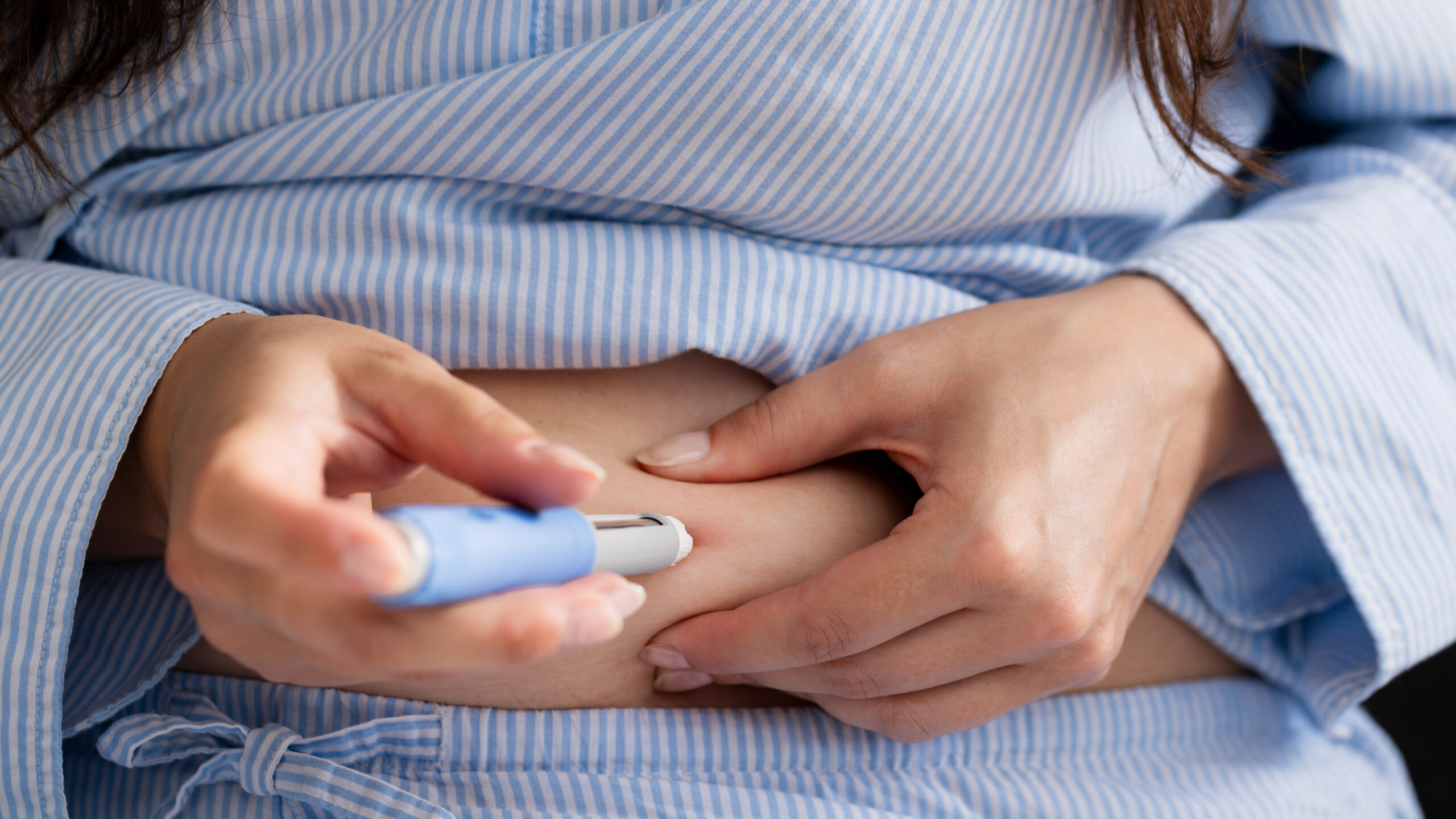
Retatrutide is an experimental obesity treatment being developed by pharmaceutical giant Eli Lilly, the company behind tirzepatide. Tirzepatide is a powerful dual-acting medication used to treat obesity under the brand name Zepbound and type 2 diabetes under the brand name Mounjaro.
Like tirzepatide, retatrutide builds on the success of GLP-1-based drugs such as semaglutide, sold as Ozempic and Wegovy by Novo Nordisk. Tirzepatide targets two hormones—GLP-1, or glucagon-like peptide-1, and GIP, or glucose-dependent insulinotropic polypeptide. Retatrutide adds a third hormone, glucagon, to that combination.
How retatrutide’s three-hormone approach works
GLP-1, GIP, and glucagon all play overlapping roles in the body’s response to food. Together, they help regulate blood sugar, appetite, satiety, food intake, and other metabolic processes.
The interactions between these hormones are complex. Their effects vary depending on where and when they act in the body.
What GIP does in the body
GIP is released by K cells in the first part of the small intestine shortly after food leaves the stomach. The hormone is best known for stimulating insulin release in response to glucose, or sugar.
GIP also has other functions. It can promote the breakdown of triglycerides, a type of fat found in the blood, and act in the brain to create a feeling of fullness. GIP also responds when blood sugar falls too low by stimulating an increase in glucagon.
What glucagon does in the body
Glucagon is released by alpha cells in the pancreas and counteracts some of the primary effects of GIP and GLP-1. It is best known for prompting the release of glucose and fatty acids into the bloodstream when blood sugar levels become too low, a condition known as hypoglycemia.
Glucagon released after a meal may also help increase insulin production, slow stomach emptying, and regulate lipid levels.
What GLP-1 does in the body
GLP-1 is produced by L cells in the lower gastrointestinal tract, including the terminal small intestine, or ileum, and the colon. It responds to sugar by increasing insulin release.
GLP-1 slows stomach emptying and acts on the brain to promote a feeling of fullness. It may also send signals that encourage the breakdown of lipids in adipose tissue.
How GLP-1 and GIP may affect metabolism
Both GLP-1 and GIP stimulate the release of adiponectin, another hormone that increases insulin sensitivity and reduces inflammation. By combining GLP-1, GIP, and glucagon activity, retatrutide is being developed as a next-generation approach to obesity treatment.
Source: arstechnica.com