


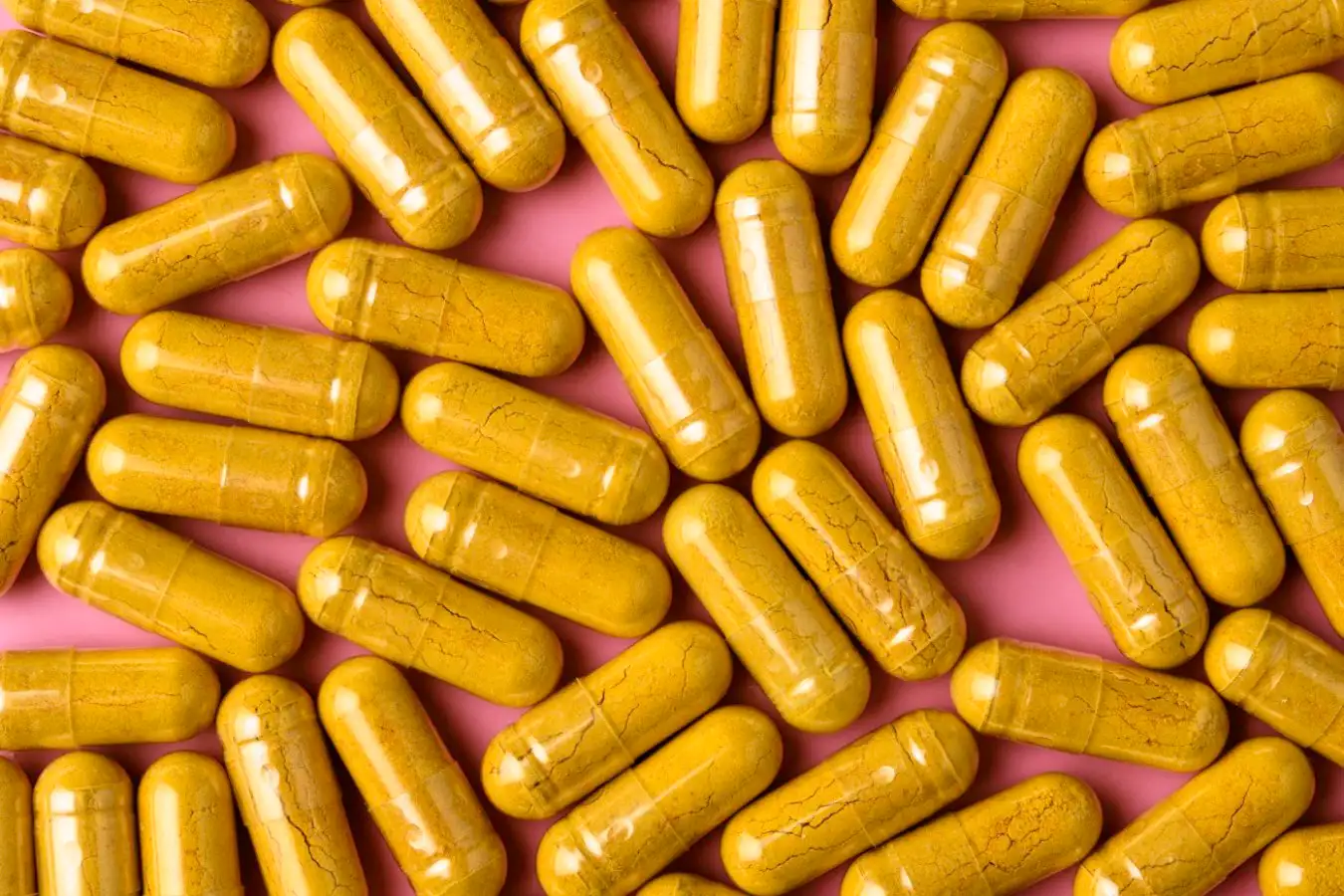

Discover the Health Benefits of Curcumin, a Key Component of Turmeric.
soldatoff/shutterstock
As temperatures in Australia decrease, ‘golden milk’ recipes are trending on social media. This delightful concoction typically includes warm milk, turmeric, various spices, and honey. Besides its wonderful flavor, turmeric is praised for its medicinal properties, primarily due to curcumin, the compound responsible for its vibrant yellow hue. Curcumin is renowned for its anti-inflammatory properties, which may offer protection against conditions such as cancer, arthritis, hay fever, and Alzheimer’s disease. But how solid is the evidence behind these claims?
Turmeric has been a staple in South Asian cooking and medicine for millennia, but in recent decades, it has garnered attention as a “superfood” in Western contexts. This surge in popularity is largely attributed to research conducted by Bharat Agarwal, a former biochemist at the University of Texas MD Anderson Cancer Center. Since the early 2000s, over 100 research papers have highlighted curcumin’s ability to reduce inflammation and target cancer cells. This research sparked a significant increase in the consumption of turmeric lattes and curcumin supplements and led to substantial funding in the field.
The idea that a flavorful spice rooted in traditional Ayurvedic medicine could serve as a modern medical remedy is enticing. However, scrutiny has arisen regarding the validity of Agarwal’s findings. In 2012, the U.S. Department of Health and Human Services’ Office of Research Integrity alerted MD Anderson Cancer Center about academic whistleblower allegations concerning potentially fraudulent research. Agarwal’s work has faced scrutiny, with 65 of his papers being questioned. Although these allegations do not confirm fraud, the integrity of his research has been compromised. Following internal investigations, Agarwal left the center, and 30 of his papers have been retracted due to reliability concerns.
Personally, I find it remarkable how much interest curcumin fuels. However, a quick look at its chemical properties raises doubts about its efficacy as a drug. In my previous PhD work on cancer drug development, I encountered challenges when working with curcumin. A lab colleague struggled with its low solubility and rapid degradation. A 2017 review published in the Medicinal Chemistry Journal, led by Kathryn Nelson, concluded that “curcumin is unstable, reactive, and exhibits poor bioavailability, suggesting limited potential for therapeutic use.”
Due to its poor water solubility, curcumin is not easily absorbed into the bloodstream. Consequently, it largely remains in the intestines and is excreted. A recent study by Dutch researchers found that curcumin was minimally detectable in participants’ blood, regardless of whether they took standardized supplements designed to enhance absorption through black pepper or nanoparticle delivery systems. The concentrations found in blood samples were over 100 times lower than those showing effectiveness in laboratory settings against cancer cells.
This lack of absorption might explain why curcumin has not demonstrated significant effects in well-structured clinical trials for conditions such as cancer and arthritis. Nelson and her team suggest that curcumin is akin to “a missile that never leaves the launch pad, failing to reach its target.”
Potential Risks of Excess Consumption
Concerns surrounding the safety of turmeric and curcumin supplements are also noteworthy. Regular consumption of turmeric in cooking is generally safe due to its dilution among other ingredients. However, curcumin constitutes only about 5% of turmeric’s weight. In contrast, concentrated curcumin supplements can be metabolized differently and may trigger liver issues in some individuals. As stated by the U.S. National Institute of Diabetes and Digestive and Kidney Diseases, “Turmeric… is a notable cause of clinically visible liver damage, particularly with highly bioavailable curcumin forms.
Symptoms of liver damage, such as jaundice, dark urine, and nausea, typically resolve when supplement intake ceases. However, there have been isolated reports of fatal cases linked to liver failure.

Microscopic View of Hepatic Stellate Cells Forming Scar Tissue Due to Liver Damage.
Steve Gschmeisner/Science Photo Library
It is also essential to consider the potential contamination of turmeric products. In the U.S., multiple powdered turmeric brands were recalled between 2011 and 2016 due to lead chromate contamination, a harmful compound added to enhance color. Reports indicate that some children consuming these products exhibited dangerously high blood lead levels. Moreover, turmeric supplements in Norway and Sweden have been linked to liver damage and even fatalities due to contaminants like Nimesulide.
Despite these concerns, I brewed myself a calming cup of golden milk and took solace in its comforting flavor, with the understanding that its true magic lies in the taste rather than any extraordinary health claims. As Agarwal and his peers stated in the Journal of the American Society of Pharmaceutical Scientists, the perceived benefits of curcumin may, indeed, be “too good to be true,” and they were certainly onto something.
Topics:
Source: www.newscientist.com