


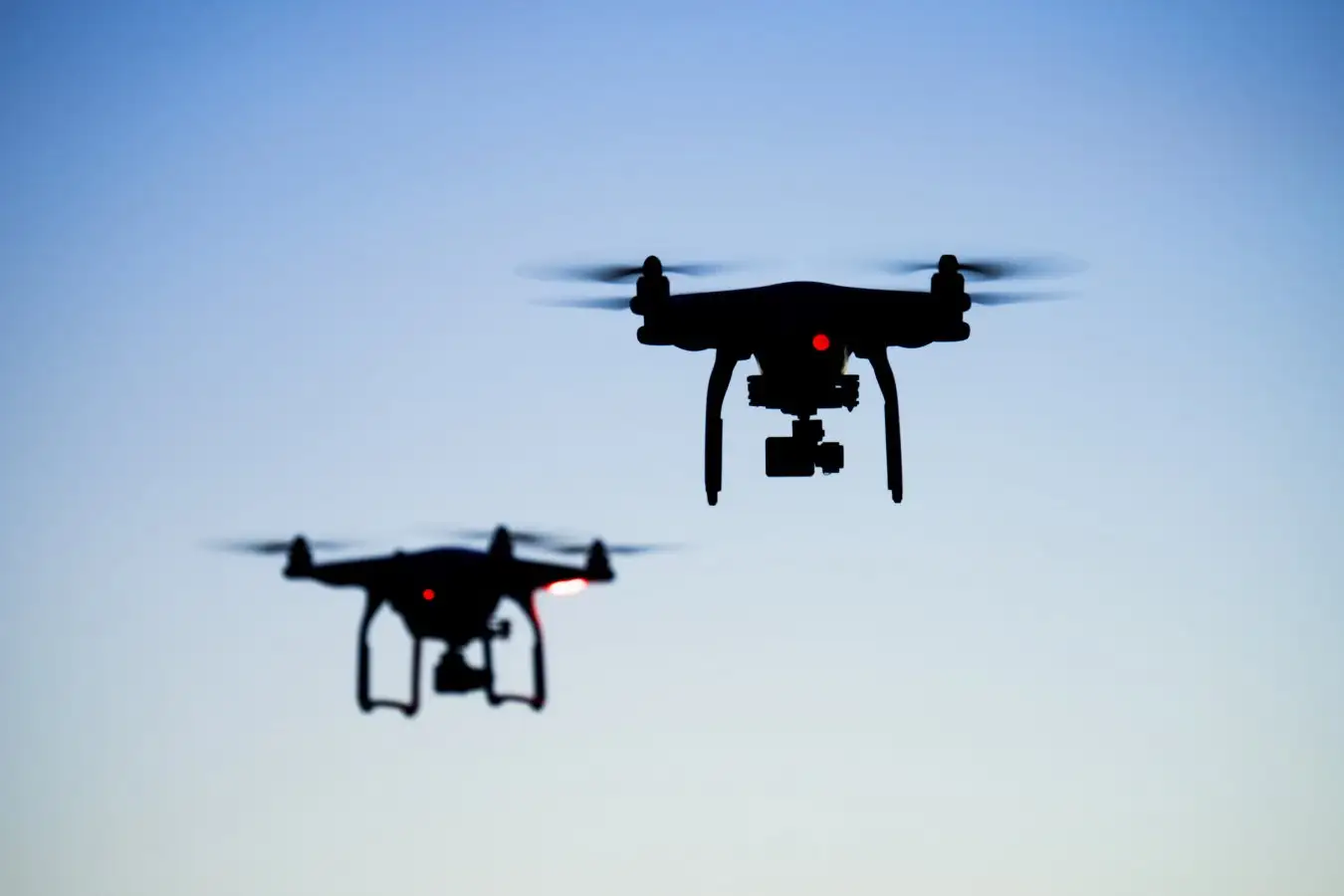

Should drones be allowed to kill autonomously?
Shutterstock/Thongsuk7824
For years, unverified reports have surfaced about AI-driven weapons eliminating soldiers on battlefields without human input. Recent events confirm these occurrences.
The implementation of autonomous weapons during test scenarios marks a pivotal change in warfare. This technology, long in existence, reflects humanity’s consistent history of weapon usage.
However, reversing this trend remains a possibility. The rationale for banning autonomous weapons is straightforward. AI systems lacking human oversight could mistakenly target either enemy forces or civilians. Ethicists further contend that such weapons undermine the dignity of combatants, simplify the brutalities of war, and blur accountability for lethal actions.
Should a ban on these weapons take place, it should have happened prior to their deployment, not post-factum—as we witnessed with cluster bombs and blinding lasers. Over the past decade, the United Nations has endeavored to ban fully autonomous weapons, yet nations like India, Israel, Russia, and the United States have blocked these discussions, according to the Human Rights Watch campaign organization.
“
Humans never invented weapons and then refrained from using them
“
A regulatory framework exists to ban autonomous weapons and could be seamlessly integrated into the list of excessively harmful or indiscriminate arms barred under the United Nations Convention on Certain Conventional Weapons. Compounding the challenge is that these drones can be constructed from inexpensive components available online, using open-source software. Virtually anyone with technical proficiency could achieve this.
As we analyze, the ongoing conflict in Ukraine highlights that robots are set to dominate future military engagements. The pressing question remains: Should human beings always participate in and bear responsibility for triggering lethal actions, or is it acceptable for machines to act independently? Whichever path is chosen, decisions must be made before this technology becomes pervasive.
Topic:
Source: www.newscientist.com