


Circadian Depression May Affect 1 in 4 People with Severe Depression, Study Finds
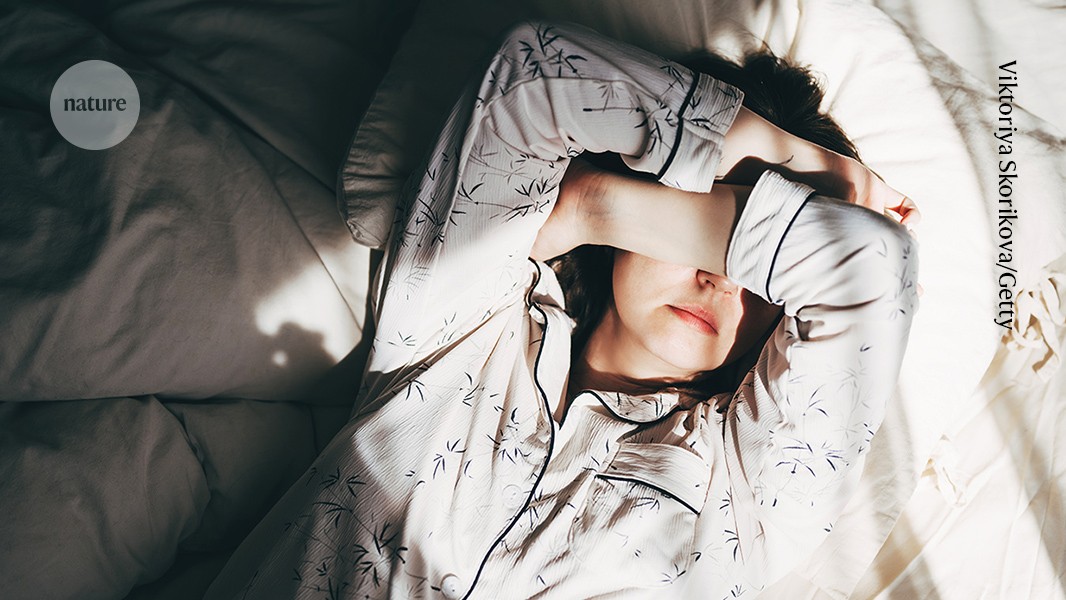
Credit: Viktoriya Skorikova/Getty
About one in four people with severe depression may have circadian depression, a possible subtype in which disruptions to the body’s internal clock contribute to mental illness, according to a large population and genetics study published today in the British Journal of Psychiatry.1
The study found that people with circadian depression tended to have more severe symptoms that began at a younger age than those with other forms of depression. They were also more likely to be female and less likely to respond to traditional antidepressants.
Circadian depression is characterized by disrupted sleep, low energy and reduced physical activity during the day. However, researchers say the findings are preliminary. More evidence is needed before circadian depression is officially recognized as a disease or treatment guidelines change.
What is circadian depression?
Major depressive disorder is the second most common mental health disorder in the world, but its severity and response to treatment vary widely among individuals. Researchers are investigating the biological mechanisms behind these differences, although their impact on prognosis and treatment remains limited, the study authors said.
Previous studies have linked circadian rhythm disturbances with depression.2 The circadian rhythm is a 24-hour internal clock controlled in the brain that helps regulate sleep-wake cycles, hormones and digestion.
When this internal clock is disrupted, people may experience jet lag, weight gain, difficulty concentrating and problems sleeping. The latest study aimed to determine whether circadian depression could be established as a distinct subtype and to identify its main characteristics.
Colleen Lu, a clinical psychiatrist and researcher at the University of New South Wales in Sydney, Australia, said the study takes the field “a step forward” in understanding the biological mechanisms underlying depression in some patients. “This is a very valuable contribution to the science of understanding depression,” she says.
Study identifies six possible characteristics
The study included 11,380 people of European descent with severe depression. Nearly a quarter of them—2,604 people—met at least three of six proposed criteria for circadian depression.
The criteria included:
- Excessive sleepiness during the day
- Feeling tired in the morning
- Preferring to stay up late
- Seasonal changes in mood linked to changes in light or day length
- Delayed sleep
- Social jet lag, or a mismatch between a person’s body clock and their daily schedule
Researchers classified a person as having this possible form of depression if they met at least three of the six criteria.
Genetic, metabolic and sleep-related links
The research team found that circadian depression was associated with higher genetic risk factors for attention-deficit hyperactivity disorder and other mood disorders, including anxiety and major depressive disorder.
Emiliana Tonini, a circadian researcher at the University of Sydney and co-author of the study, said this could mean that people with circadian depression are more likely to experience depressive symptoms after disruptions to their circadian rhythms and sleep-wake cycles. Possible triggers could include daylight-saving time changes or the period after giving birth.
The researchers also found that circadian disruption was associated with an increased risk of inflammation and metabolic dysfunction. Co-author Jacob Kraus, a circadian researcher at the University of Sydney, said the findings suggest that metabolic dysfunction can affect mood, energy levels and sleep.
Could circadian-based treatments help depression?
Tonini said the research team hopes that identifying whether a person’s circadian rhythm contributes to depression will eventually help clinicians recommend more effective treatments.
It is common for people with depression to try multiple antidepressants before their symptoms improve. However, up to 68% of people do not see improvement even after receiving standard antidepressants.3
The researchers and other experts emphasize that the findings do not yet establish circadian depression as an officially recognized disease. Further research is needed to confirm the proposed subtype and determine whether treatments targeting the body’s internal clock can improve outcomes.
Source: www.nature.com