


Close Menu
HitechubHitechub
    What's Hot
    Science

    21 Gray Whales Found Dead in 3 Months: Understanding the Surge of Carcasses on Pacific Beaches

    Science

    Why Restoring Pluto’s Planet Status Isn’t as Simple as It Seems

    Science

    Science Predicts the World Cup Winner: Here’s Who Will Take the Trophy

    Important Pages:
    • About Us
    • Privacy Policy
    • Terms & Conditions
    Facebook X (Twitter) Instagram Pinterest
    Facebook X (Twitter) Instagram
    HitechubHitechub
    Friday, June 26
    • Technology
      1. AI
      2. Gadgets
      3. View All

      This is the most popular CEO in the world

      Sectors in which “Chat-GPT” is most often used

      AI Pioneer Expresses Concern About Potential for AI to Surpass Humanity

      Artificial intelligence has begun to “swallow” professions

      What’s new in Android 14

      Europeans have about 700 million old mobile phones in their drawers

      Here’s how you can tell if your phone is being tapped

      “Sneaker X” – computer case in the shape of a sneaker

      Russian Gamers Unite to Prevent Nuclear War: Join the Fight Online

      Challenges of Space Travel: Why Journeying to Space is So Difficult

      NASA Astronaut Casts Historic Vote from Space

      Discover the Future of Comfort: What If You Could Wear a Chair?

    • Science
      1. Space
      2. Wheels
      3. View All

      Galaxies in the universe are growing more slowly than they should

      “Espace” presented the new lander “Apex 1.0”

      The largest asteroid sample ever collected has arrived on Earth

      (VIDEO) Incredible flight of the Parker Solar Probe

      Toyota wants to make a new generation battery with a range of up to 1,200 km

      Meet Toyota’s lunar “baby” that could make exploring the Moon easier

      Microlino – Is this the perfect city car?

      Alfa Romeo 4C gets an electric successor

      The Ultimate Guide to the Best and Worst Washing Temperatures for Laundry

      First Discovery of Ancient Human DNA in Cave Paintings: A Breakthrough in Archaeology

      Rare Gene Increases Cancer Risk: 100% Probability Explained

      Exploring Brazil’s Extensive Network of Free Milk Banks: A Lifesaving Resource for Infants

    HitechubHitechub
    Home » Exploring the Cosmos: My Journey into Science Fiction Inspired by a World-Ending Supernova – New Scientist Book Club
    Science

    Exploring the Cosmos: My Journey into Science Fiction Inspired by a World-Ending Supernova – New Scientist Book Club

    Share Facebook Twitter Pinterest WhatsApp
    Share
    Facebook Twitter LinkedIn Pinterest WhatsApp

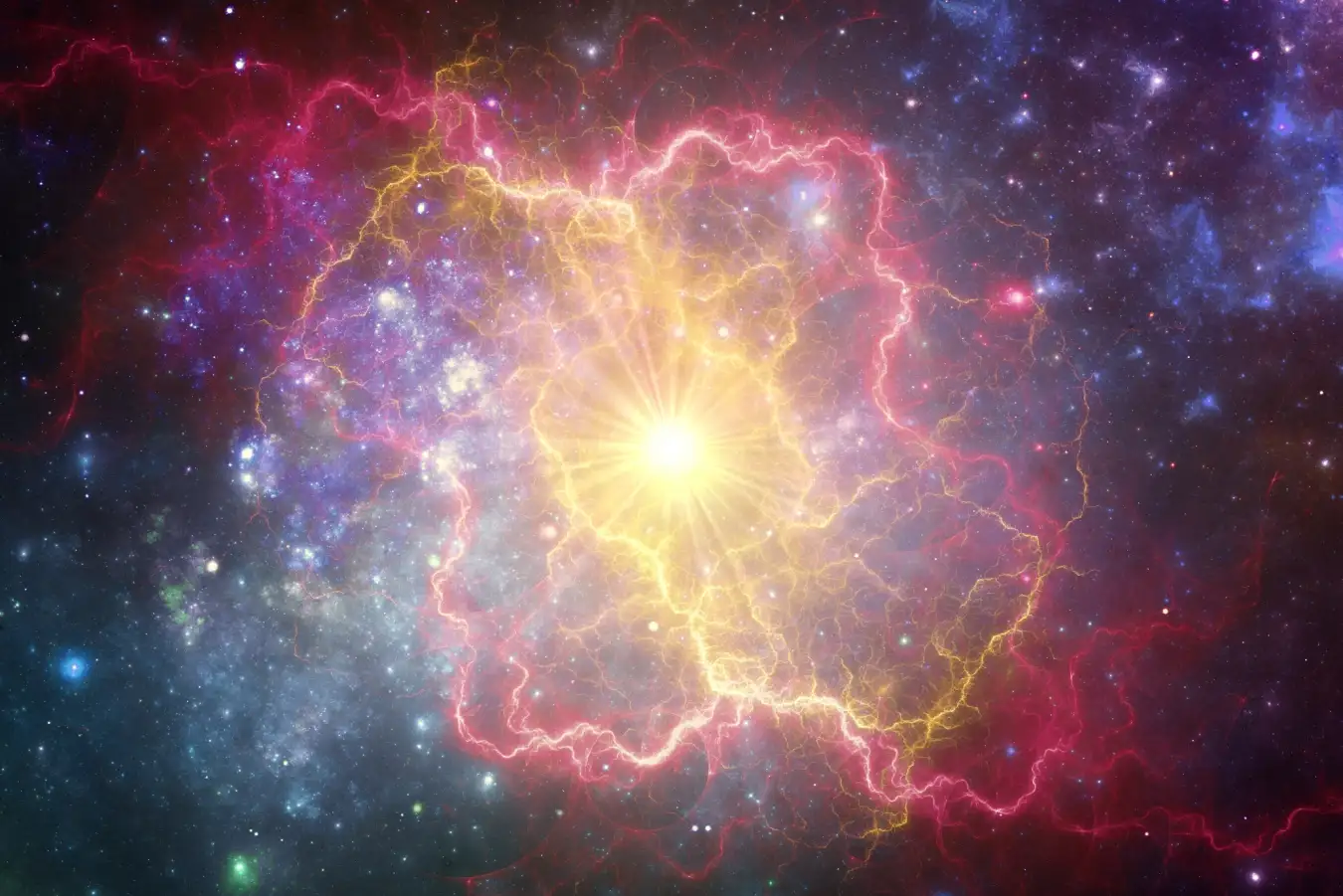
    A supernova threatens civilization in Claire North’s ‘Slow Gods‘

    Shutterstock/Martin Capek

    When I set out to craft a space opera, my inspiration was the explosive power of a supernova. This cosmic phenomenon is unmatched in its scale and devastation. It’s captivating and frightening that we can anticipate its arrival. As a writer, I ponder: how would one face the imminent end of a civilization? What sacrifices would you consider to ensure survival?

    This is the narrative at the heart of Slow Gods.

    Imagine being an astronomer, acutely aware of a cataclysmic supernova poised to obliterate your world. For millennia, you have recognized this impending doom, yet your society has turned a blind eye. Proposing radical societal changes to avert disaster is a hard sell. “In 500 years… let’s overhaul our civilization to save billions” is met with indifference, a distant concern for future generations.

    Suddenly, the timeline compresses—millennia become centuries, then decades. As you gaze at your grandchild, the harsh reality sinks in: you know their fate, and it’s not a pleasant one. Will they perish in boiling oceans, succumb to atmospheric fire, or suffer slow radiation poisoning? Incremental measures, such as distant colonies or space elevators, have proven inadequate. Urgent action is needed to shift the perspective from merely surviving to thriving, even with time running out.

    Time is short. You have a century to evacuate five billion people before Earth turns to ash. The grand vision includes space elevators and colossal motherships capable of relocating millions. However, fears linger about the unknown—monsters lurking in the dark, disrupting the mission, or worse, devouring ships whole—elements beyond calculation.

    In a century, it may be feasible to rescue everyone, but complexities arise. The population continues to surge faster than evacuations can occur. Can you realistically impose limits on births? A century devoid of children is tantamount to extinction. Life must go on, even while knowing that every child saved could lead to another life lost in the flames.

    Decision time looms. Who gets saved first—leaders, innovators, celebrities? What about the disabled, the vulnerable, those on the fringes? It feels like extermination by omission. Is this what you stand for?

    A lottery system offers a semblance of fairness, yet as years pass, hope dwindles. Those left behind face the specter of despair, perceived as mere casualties of fate.

    But where would you run to? Some planets bar refugees. Others accept a handful, relegating vast populations to remote and inhospitable locales, far from home. Lives are saved, yet civilization crumbles. History is reduced to a collection of artifacts, your society exhibited like relics, distanced from their essence.

    But there’s more than one story in this galactic tapestry. The narrative of Slow Gods continues.

    What if you miscalculated the crisis, believing others would come to the rescue? With under a decade left until annihilation, billions face oblivion. The elite have escaped, yet they still crave the labor of the masses, manufacturing a climate of desperation.

    Staring at the gunship, you realize that space may hold options, vulnerable worlds beyond the impending disaster. You may have to make an impossible choice: save your child at the cost of another’s life. Faced with annihilation or endless conflict, your choices become stark.

    Claire North’s Slow Gods (Orbit) is July’s pick for the New Scientist Book Club. Sign up here. Join the discussion on our Discord channel here.

    Purchases made through links on this page may earn us a commission.

    Topics:

    Source: www.newscientist.com

    Share. Facebook Twitter Pinterest LinkedIn WhatsApp
    Previous ArticleNew Scientist Book Club: Exclusive Excerpt from “Slow Gods” by Claire North
    Next Article Can Video Games Enhance Our Understanding of Quantum Mechanics?

    Related Posts

    Science

    The Ultimate Guide to the Best and Worst Washing Temperatures for Laundry

    Science

    First Discovery of Ancient Human DNA in Cave Paintings: A Breakthrough in Archaeology

    Science

    Rare Gene Increases Cancer Risk: 100% Probability Explained

    Science

    Exploring Brazil’s Extensive Network of Free Milk Banks: A Lifesaving Resource for Infants

    Science

    Can Video Games Enhance Our Understanding of Quantum Mechanics?

    Science

    New Scientist Book Club: Exclusive Excerpt from “Slow Gods” by Claire North

    Science

    Europe’s Record-Breaking Heatwave: Hottest and Wettest Conditions Ever Recorded

    Science

    Discover If Holding an Onion Will Make You Cry: A Simple Experiment

    Add A Comment
    Leave A Reply Cancel Reply

    Stay In Touch
    • Facebook
    • Twitter
    • Instagram
    • Pinterest
    Top Picks
    Science

    Revolutionary New Spider Species Develops Unique Trap Launching Ants Into the Air

    error code: 502 Source: www.newscientist.com

    Webb Captures Stunning Moment of Jupiter-Sized Exoplanet Being Devoured by Its Star

    Science Predicts the World Cup Winner: Here’s Who Will Take the Trophy

    Alfa Romeo 4C gets an electric successor

    AI Model Training: How People Are Relying on Chatbots for Development

    Most Popular
    Science

    Understanding the Relationship Recession: Why It’s a Major Concern for Gen Z

    Science

    Rare Footage: This Unusual Shark Captured in Its Natural Habitat

    Categories
    • AI (13)
    • Gadgets (10)
    • Science (380)
    • Space (9)
    • Technology (37)
    • Wheels (9)
    Our Picks
    Science

    Step-by-Step Guide to Artemis II Earth Reentry: Process and Insights

    Science

    Revolutionary Nuclear Clock: A New Era in Accurate Timekeeping

    © 2026 Hitechub.
    • Home
    • About Us
    • Privacy Policy
    • Terms & Conditions

    Type above and press Enter to search. Press Esc to cancel.

    We are using cookies to give you the best experience on our website.

    You can find out more about which cookies we are using or switch them off in .

    Ad Blocker Enabled!
    Ad Blocker Enabled!
    Our website is made possible by displaying online advertisements to our visitors. Please support us by disabling your Ad Blocker.
    Hitechub
    Powered by  GDPR Cookie Compliance
    Privacy Overview

    This website uses cookies so that we can provide you with the best user experience possible. Cookie information is stored in your browser and performs functions such as recognising you when you return to our website and helping our team to understand which sections of the website you find most interesting and useful.

    Strictly Necessary Cookies

    Strictly Necessary Cookie should be enabled at all times so that we can save your preferences for cookie settings.