


Global greenhouse gas emissions may have peaked — but warming is still on track to exceed 2°C
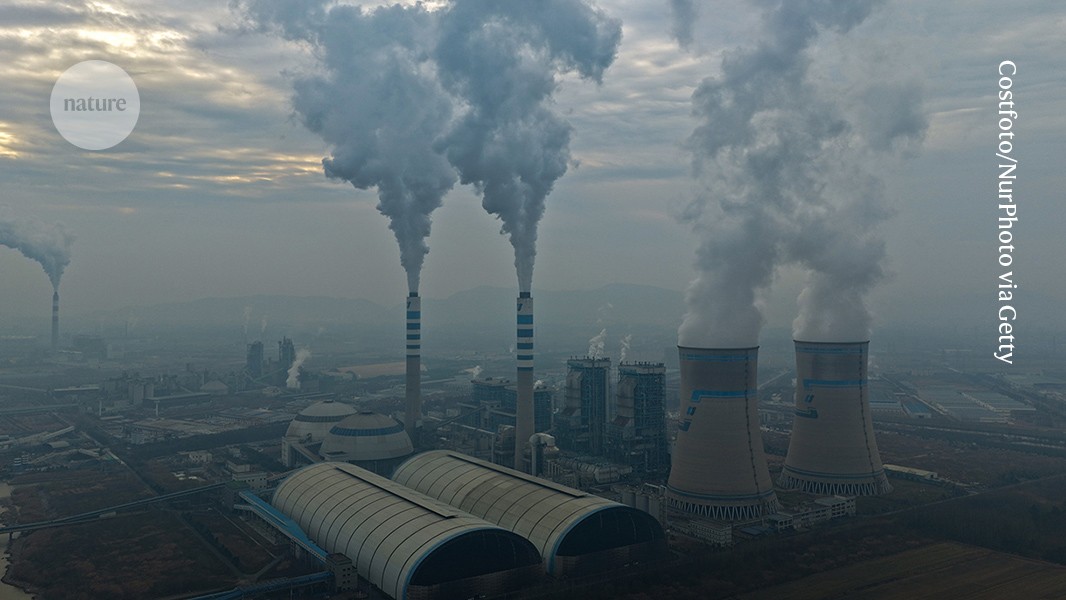
Global greenhouse gas emissions remained flat from 2024 to 2025.
Credit: Costfoto/NurPhoto (via Getty)
Despite global greenhouse gas emissions potentially reaching a plateau last year, average temperatures are expected to rise by more than 2°C by mid-century unless emissions cuts accelerate significantly, according to the United Nations’ latest report on climate change.
Super El Niño is already causing havoc: this is what’s going to happen
“The world can no longer avoid exceeding the 1.5°C limit, and the impacts are already catastrophic,” outgoing United Nations Secretary-General António Guterres said at a press conference announcing the United Nations Environment Programme’s (UNEP) annual report on progress in tackling climate change, released on October 21.
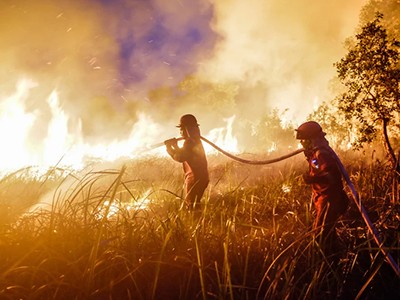
Guterres pointed to prolonged heat waves, massive wildfires and deadly floods that will disrupt large parts of the world in 2026. He called on governments to take immediate action to reduce emissions, including transitioning away from fossil fuels, expanding clean electricity and reversing deforestation.
Under current policies, scientists estimate that warming this century will reach between 2.6°C and 2.8°C above pre-industrial levels. This is well above the 2°C limit set by the 2015 Paris Agreement to avoid the most dangerous consequences of climate change.
There is also a 10% chance that the current trajectory will cause warming to exceed 3.4°C, which would be catastrophic, the researchers said. Even if countries meet all existing emissions commitments, the report predicts warming of 2.1°C.
Although the 1.5°C target is unattainable, with 2026 predicted to be the second year in which temperatures exceed that level of warming, the report argues that it may be possible to overshoot the target temporarily and bring temperatures back through rapid decarbonization combined with a massive scale-up of carbon dioxide removal.
UNEP’s assessment comes ahead of the COP31 climate summit in November in Antalya, Turkey, where governments will assess efforts to mitigate and adapt to climate change. “The emissions gap has now become a leadership gap, and the world is running out of time and excuses to close it,” Guterres said.
Global emissions may have reached a plateau
There is some good news in this year’s report. Initial estimates indicate that global greenhouse gas emissions in 2025 will be about the same as, or slightly lower than, in 2024. This is primarily due to a decline in emissions from land use, particularly from wildfires following the unprecedented wildfire outbreak in 2024.
This is the first decline seen since the coronavirus pandemic and could mark the beginning of a plateau in emissions, or even a peak. However, researchers caution that one year is not enough time to determine whether this is a permanent change.
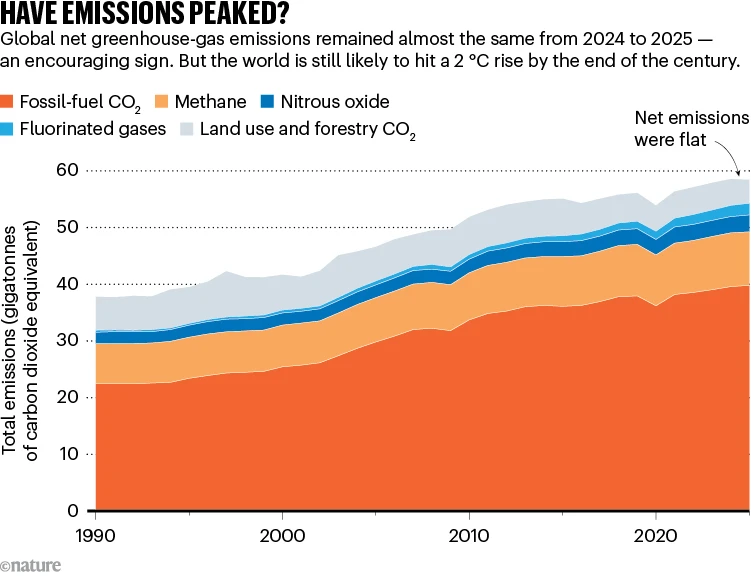
Source: United Nations Environment Programme
“Global emissions would need to fall by a few percentage points before we can be confident that we have peaked,” said Lauri Myllyvirta, a researcher at the Centre for Research on Energy and Clean Air in Helsinki.
“Until then, even if the tectonic trend is downward, a jump above the previous peak could occur, especially due to hot summers or other cyclical developments,” Myllyvirta said.
Another encouraging trend is the rapid expansion of renewable energy. Since 2015, clean energy production capacity has grown nearly three times faster than expected, while solar energy has expanded seven times faster than expected as costs fall.
Myllyvirta points out that even if emissions do not peak this year, the report predicts a 5–8% decline by 2030 compared with 2025 levels. He said “the door is open to even deeper cuts over the next five years” as clean energy accelerates, fossil fuels become more expensive and China and India potentially overachieve their pledged emissions cuts.

United Nations finally admits global warming may exceed climate limit of 1.5°C
The emissions gap remains
Source: www.nature.com