


Female small brown bats mate in the fall, but fertilization occurs in spring, creating a six-month gap where sperm is stored in the female’s body.
This natural mechanism, known as sperm storage, allows female animals to retain viable sperm for extended periods, facilitating fertilization at a more favorable time.
Many species exhibit this ability, including various insects, fish, birds, and mammals. For instance, female dogs can store sperm for approximately a week, while female chickens can retain sperm for about a year months. Female western rattlesnakes may even hold sperm for up to six years.
Sperm storage takes place in specialized structures within the reproductive tract. In insects, sperm is often found within a seminal vesicle, while birds and reptiles utilize grooves called sperm storage tubules.
Interestingly, human females are also capable of storing sperm. In humans, viable sperm can remain for up to five days in cervical pockets known as cervical crypts.
Stored sperm maintain viability due to their environment. The surrounding epithelial cells are rich in antioxidant proteins that neutralize free radicals, prolonging sperm lifespan.
The local immune system also plays a role, attacking harmful microorganisms while allowing sperm to remain safe until fertilization is possible.
This fascinating adaptation has evolved in various species for significant reasons, primarily to separate mating and reproduction. For example, if a small brown bat birthed a pup during winter, survival would be challenging due to scarce food and harsh weather.
By mating in the fall and then hibernating, females can time their pregnancies for optimal conditions, ensuring the survival of their young.
In humans, the ability to store sperm has evolved to enhance the likelihood of fertilization. Sperm from intercourse occurring days before ovulation can still result in pregnancy as it remains viable.
Moreover, in certain species, sperm storage may even enable females to influence the sex of their offspring.
For instance, the queen bee of Western honey bees mates with multiple males but retains sperm and seldom mates again. Fertilized eggs develop into female bees while unfertilized ones become male.
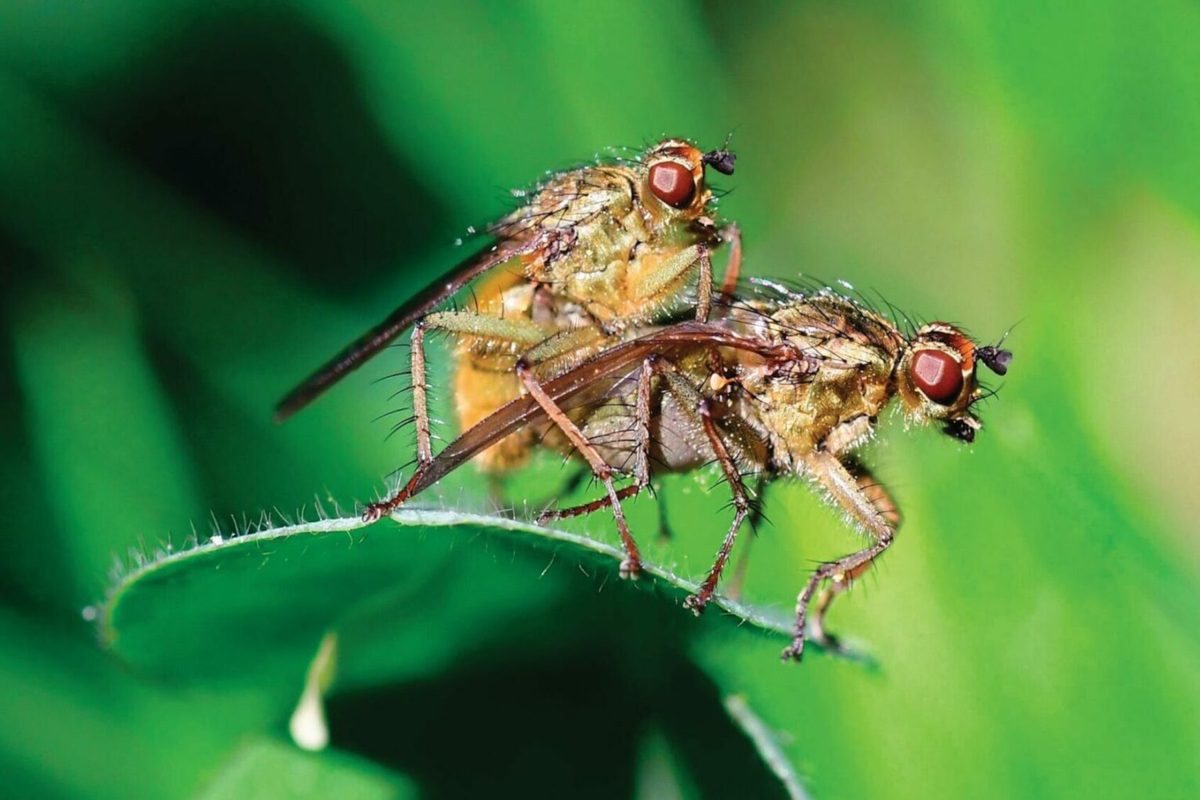
Yellow dung flies take this strategy a step further, allowing females to “choose” which sperm to utilize from their stored reserves. For example, they may select sperm from males better suited to low temperatures during colder periods.
This behavior enhances offspring survival, though the exact mechanisms of how females select sperm remains unclear!
This article addresses the question posed by Angela Jaiswal via email: “How do female animals store sperm long-term?”
If you have further inquiries, feel free to reach out to us at: [email protected] or contact us via Facebook, Twitter, or Instagram (please include your name and location).
Check out our ultimate fun facts for more amazing science insights!
Read more:
Source: www.sciencefocus.com