


Automation and [SvHCI’s VMware] have made a significant impact on the migration process. The VM import utility played a crucial role in scaling this migration effectively. In a 24/7 retail environment, minimizing business disruption is essential, necessitating comprehensive planning and a high degree of automation to ensure store operations remain smooth during the transition.
Thanks to the well-developed APIs within the SvHCI product, the additional efforts involved were minimal. However, the migration challenges remained, primarily around [finding] the right solutions depending on your environment’s size and the time available. The team had to plan, develop, and implement all at once.
For many businesses, the prospect of migrating away from VMware can seem overwhelming due to the investment in capital, time, and personnel. There are reports indicating difficulties in finding alternatives that match VMware’s feature set and compatibility. Consequently, a full or partial migration might feel unattainable, especially for organizations heavily reliant on VMware technology.
Consequently, numerous VMware clients are contemplating reducing or exiting their use of VMware products, yet many remain in the planning phase or have yet to take action. Gartner has projected that by 2028, 35% of VMware workloads will be migrated to other platforms.
StorMagic Aims at Large VMware Clients
StorMagic is primarily known for catering to small and medium-sized businesses (SMBs). This latest announcement underscores Broadcom’s strategy to target enterprise-level companies, particularly those with numerous SMB-sized locations.
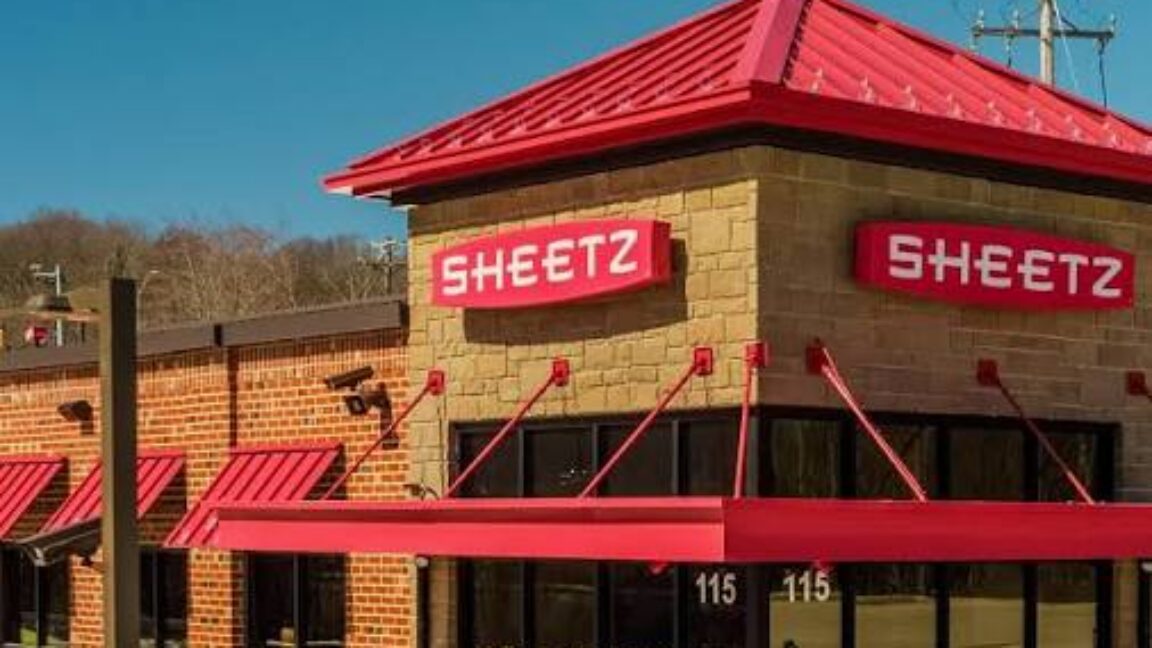
“Historically, we have focused on two distinct markets: SMB/midmarket data centers and the ‘edge’ environments of large, geographically distributed companies like Sheetz. These organizations, which operate hundreds or thousands of retail stores, grocery stores, or branch offices, face similar IT challenges to local SMBs,” stated Scott Mann, StorMagic’s senior Vice President of Global Sales, in an email to Ars. He emphasized that such distributed companies often face limitations in physical space, power, on-site technical staff, and budgets.
Mann sees even more opportunities available for existing enterprise clients of VMware.
“Traditionally, large enterprises have accepted the ‘VMware tax’ at edge locations due to the traditional approach. However, with the recent seismic shifts in the industry—particularly Broadcom’s acquisition of VMware—enterprises are seeing notable increases in their budgets just to maintain operations at remote sites,” Mann elaborated.
Recent migration announcements away from VMware have come from well-known companies such as Allstate, T-Mobile, and the British grocery chain Tesco.
Meanwhile, Broadcom contends that the adjustments in VMware’s licensing model align with industry standards and that the acquisition of VMware is recognized as a financial triumph.
Source: arstechnica.com