


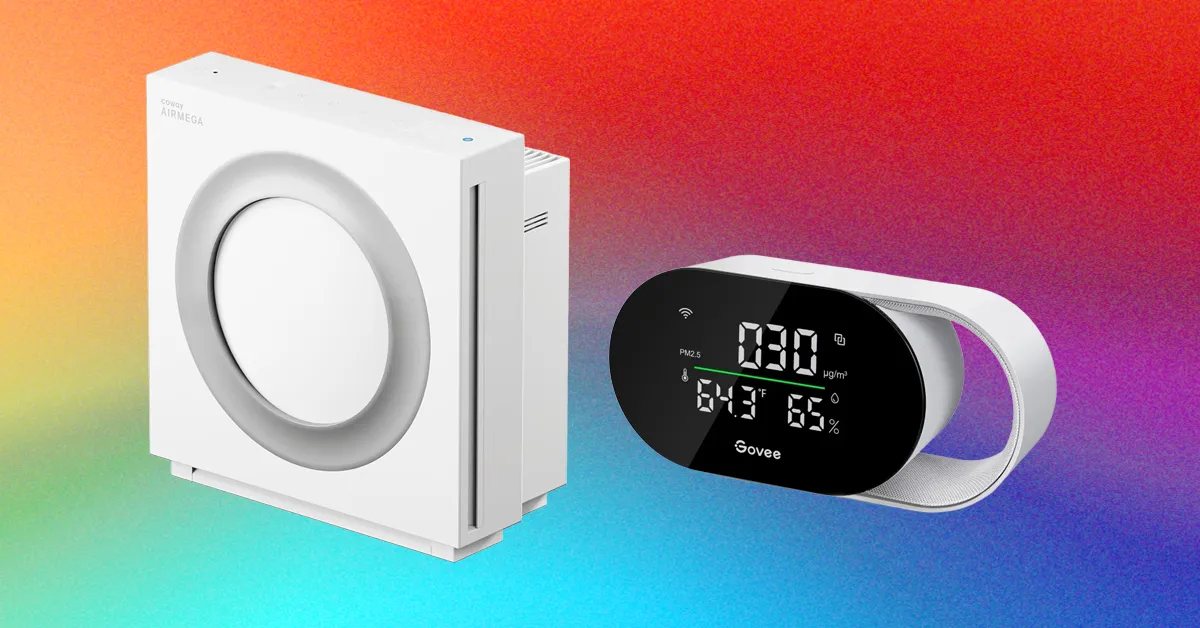
Wildfire season is upon us, bringing with it hazardous smoke. The most alarming aspect of wildfires is their capacity to threaten lives and homes, as exemplified by the wildfires that ravaged Los Angeles last year.
As wildfires blaze across Canada and the western United States in the summer, it’s the smoke—the acrid haze and especially the invisible particulate matter—that poses significant health risks to millions nationwide. Studies show that cardiac deaths increase after wildfires. It’s crucial for those with pre-existing conditions to see their lung doctor because smoke is dangerous.
Understanding the health effects of airborne wildfire particles reveals that many of these fine particulates are highly inflammatory and can penetrate the lungs, entering the bloodstream. These particles can linger in your system for weeks. High concentrations of PM 2.5 (particles smaller than 2.5 microns) can adversely affect lung development, reduce fertility, impair mental health and concentration, and heighten the risk of serious health issues, from strokes to heart disease and lung cancer.
Health risks from wildfire smoke are especially severe for individuals with compromised immune systems and asthma, according to Heidi Huber Stearns, director of the Wildfire Smoke Research and Practice Center at the University of Oregon. Alarmingly, even healthy children are at risk.
“Whether the lungs show visible distress or wheezing, this poses a risk to lung development,” Huber Stearns stated in WIRED. “It’s not limited to children with existing health issues—every child is at risk.”
During periods of hazardous air quality, it’s advisable to stay indoors and utilize a good air purifier. However, this isn’t feasible for everyone. Discover ways to protect your lungs and family when the air is laden with unhealthy soot. If your primary concern is fire rather than smoke, check out WIRED’s guide on emergency preparedness to learn how to safeguard your home and organize your emergency supplies.
Stay Informed About Local Air Quality
Knowledge is your first line of defense. Wildfire smoke and haze have become common during summer in many parts of the American West and even the Northeast, as Canadian wildfires send dense fog across populated areas.
Airnow.gov is a collaborative effort involving multiple federal agencies, providing real-time data from thousands of air quality monitoring stations. This resource offers the latest information on air quality, including forecasts for upcoming days and weeks. Simply enter your postal code to access your area’s air quality index and identify prominent pollutants.
Typically, when the air quality index exceeds 150, sensitive groups should limit outdoor activities and may consider wearing an N95 mask. This includes children, the elderly, individuals with lung disease, and those with weakened immune systems.
If your AQI surpasses 200 (marked in red on Airnow’s map), this guidance applies universally, regardless of health status. Please don a mask and try to stay in clean air environments. Refrain from outdoor physical activities during such times.
Establish a Safe Airspace with an Air Purifier
If your budget permits, investing in a high-quality air purifier is essential for maintaining a particle-free home environment, effectively eliminating harmful particulate matter from the air.
Source: www.wired.com