


Groundwater Is Rising Across the Sahel as Extreme Rainfall Revives Rivers, Farms and Wildlife
This article was originally published by Yale Environment 360.
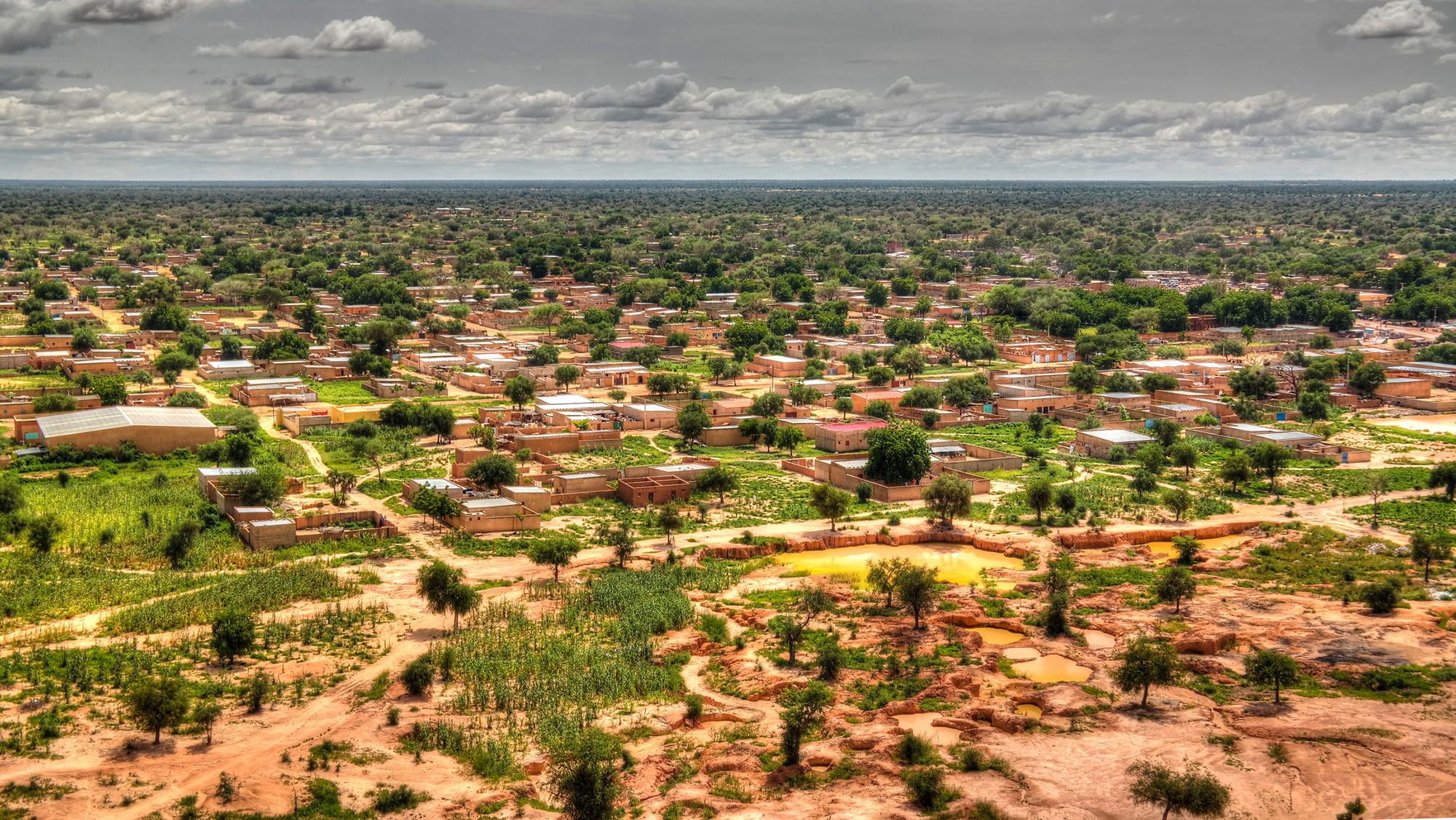
The African Sahel, a semi-arid belt along the southern edge of the Sahara Desert, is experiencing a remarkable water recovery. Wells are refilling, groundwater levels have risen by more than 13 feet in some areas, farms are producing larger harvests and Lake Chad is expanding after decades of decline.
Wildlife is benefiting as well. Scimitar-horned oryx, once considered extinct in the wild, are returning to protected areas. New vegetation is supporting giraffes, aardvarks, porcupines, badgers and foxes in regions where many species had disappeared.
After severe droughts in the 1970s and 1980s, intense rainfall began returning to the Sahel during the 1990s. In recent years, the trend has accelerated. Powerful storms are flooding communities, replenishing rivers, restoring dry river channels known as wadis and sending runoff into underground aquifers.
Latest Videos FromLive Science
“Across the Sahel, from Ethiopia to Senegal, we have evidence of increased terrestrial water storage,” says Richard Taylor, a hydrogeologist at University College London who studies the connections between climate, land use and groundwater recharge.
Researchers say rising rainfall explains only part of the Sahel’s rewetting. Changes in land management, traditional water-harvesting practices, tree-planting initiatives and the decline of some irrigation projects may also be allowing more water to remain in rivers, lakes and aquifers.
The trend could continue. Climate scientists expect rainfall in parts of the Sahel to increase during the 21st century, although precipitation will remain unpredictable and increasingly concentrated in dangerous downpours. As groundwater reserves recover, some experts believe the region could experience an agricultural revival.
Why the Sahel’s water supply is changing
The Sahel is approximately 500 miles wide and stretches across North Africa from Senegal in the west to Ethiopia in the east. More than 150 million people live in this transition zone between the Sahara Desert and the wetter savannas and forests farther south.
Water availability depends largely on the West African monsoon. Between June and September, moisture-laden winds travel north from the Gulf of Guinea. The distance the monsoon reaches into the interior can determine whether communities experience a successful growing season or a failed harvest.
During the late 20th-century droughts, the monsoon repeatedly stalled south of the Sahel. Hunger and disease killed as many as one million people. Today, a stronger monsoon is bringing more moisture northward, prompting scientists to consider whether the region may be entering a new, wetter climate period.
More rainfall does not automatically mean more groundwater. In the Sahel, the intensity of storms is particularly important. Heavy downpours can flow across compacted soil into rivers and wadis, which then carry the water into underground aquifers.
“In some locations, rainfall intensity is more important than the annual rainfall amount in determining the magnitude of groundwater recharge,” Taylor says.
Extreme storms are refilling aquifers
Most of the Sahel’s rainfall now arrives through clusters of powerful thunderstorms called Mesoscale Convective Systems. These storm systems are among the strongest on Earth and provide much of the region’s annual precipitation.
Research indicates that extreme storms in the Sahel have become about three times more frequent since the 1980s. The storms can be destructive, but they also create the conditions needed to recharge groundwater, particularly in a region where water often drains inland toward lakes and low-lying depressions rather than flowing to the ocean.
In Niger, average groundwater levels have risen by approximately 13 feet in some areas, representing an estimated 15 percent increase in aquifer reserves. Satellite observations support local measurements. NASA’s Gravity Recovery and Climate Experiment detected increased gravitational force across the Sahel, a signal researchers associate with greater water storage on and beneath the land.
“Sudden downpours are initially destructive, but they are a boon to underground water reserves,” researchers say. The same floods that damage roads, homes and farmland can restore ancient waterways and refill wells.

The shift from drought to flooding has created new risks. Niger, one of the world’s poorest countries, once suffered more deaths from famine during dry periods. Today, floods are increasingly responsible for fatalities and displacement. During the 2024 monsoon season, flooding affected the capital, Niamey, while rural areas lost more than 150,000 mud-brick homes.
How land use is affecting groundwater recharge
Rainfall is only one explanation for the Sahel’s rising water tables. Human activity has also altered how water moves across the landscape.
For decades, environmental scientists warned that expanding agriculture was causing desertification by removing vegetation and degrading soils. However, some crops and farming practices may help retain water. Shallow-rooted millet and sorghum, for example, generally use less soil moisture than the deeper-rooted grasses they replace, leaving more water available underground.
Past droughts also hardened and crusted the soil. That change has increased surface runoff by roughly 50 percent in parts of the central Sahel. Although the runoff can intensify flooding, it can also move water quickly into rivers, wadis and aquifers.

Lake Chad is a major beneficiary of this increased runoff. The lake lies between Nigeria, Cameroon, Chad and Niger and drains an area nearly six times the size of California. Once a symbol of the Sahel’s environmental decline, Lake Chad expanded to more than 9,000 square miles in 2024—close to its size during the 1960s and far larger than it was during the mid-1980s drought.
Some of the lake’s growth is hidden by dense aquatic vegetation that does not appear clearly in satellite images. Beneath the surface, however, the aquifer is also being replenished.
Traditional water harvesting and the Great Green Wall
Projects associated with the Great Green Wall may be helping communities capture more rainwater. The initiative was originally envisioned as a belt of trees to slow the Sahara’s expansion, but it has increasingly focused on restoring soils, reducing erosion and improving water retention.
Farmers are reviving traditional techniques such as placing stones along contours, digging small planting holes called zai pits and building crescent-shaped mounds around trees. These methods slow runoff, protect soil and increase the amount of water available to crops and vegetation.
In southern Niger, farmers have encouraged the natural regeneration of an estimated 200 million trees on fields that were once largely treeless. The resulting shade, leaf litter and root systems can improve soil quality, protect crops and support higher yields.
Researchers caution that these local projects are not yet large enough to explain the region-wide increase in groundwater. They may be highly effective in specific communities, but broader climate and hydrological changes appear to be the primary drivers of the Sahel’s water recovery.
More groundwater is improving farming and wildlife habitats
As wells refill and seasonal rivers return, farmers are expanding irrigation around oases and wetlands in Chad, Niger and Cameroon. With support from programs such as the World Bank’s PROLAC initiative, communities are repairing small-scale irrigation systems and increasing food production.
One farmer in Chad reported that newly available water allowed her to cultivate four times more land and double her onion harvest. Similar changes could improve food security across the Lake Chad basin if communities can manage the water sustainably.
Wildlife is also responding to the return of water and vegetation. In Chad’s Ouadi Rimé-Ouadi Achim nature reserve, conservationists have recorded growing populations of aardvarks, porcupines, badgers and foxes. More than 600 scimitar-horned oryx now live in the wild following a successful reintroduction program.
West African giraffes are also returning to areas where they had previously disappeared, supported by the growth of green vegetation and the restoration of seasonal water sources.
Could the Sahel be entering a wetter climate era?
The Intergovernmental Panel on Climate Change has reported strong scientific confidence that warming in the North Atlantic is contributing to the northward return of the West African monsoon. Global heating and the reduction of cooling sulfate aerosols from coal burning have warmed the ocean, helping draw the monsoon farther into the Sahel.
Climate models generally forecast more annual rainfall in parts of the region during the coming decades. They also predict a rise in extreme rainfall events. For groundwater, intense rain may be more important than average rainfall because storm runoff can rapidly reach inland rivers, lakes and aquifers.
However, a wetter Sahel will not necessarily be a safer Sahel. Rainfall will remain erratic, and individual years may bring severe drought in the east and catastrophic flooding in the west. A strong El Niño, for example, could produce contrasting rainfall patterns across the region.
Greater water availability could create new opportunities for irrigation and agriculture, but communities will need better flood defenses, water-management systems and long-term groundwater monitoring. Without careful planning, the same storms that replenish aquifers could destroy homes, roads and farmland.
For now, the Sahel’s hydrological recovery offers a rare source of optimism. Rivers are flowing farther, groundwater reserves are increasing, Lake Chad is expanding and ecosystems are beginning to recover. The challenge will be turning this temporary—and potentially climate-driven—abundance into lasting improvements for people and wildlife.
Source: www.livescience.com