


Expert Guidance
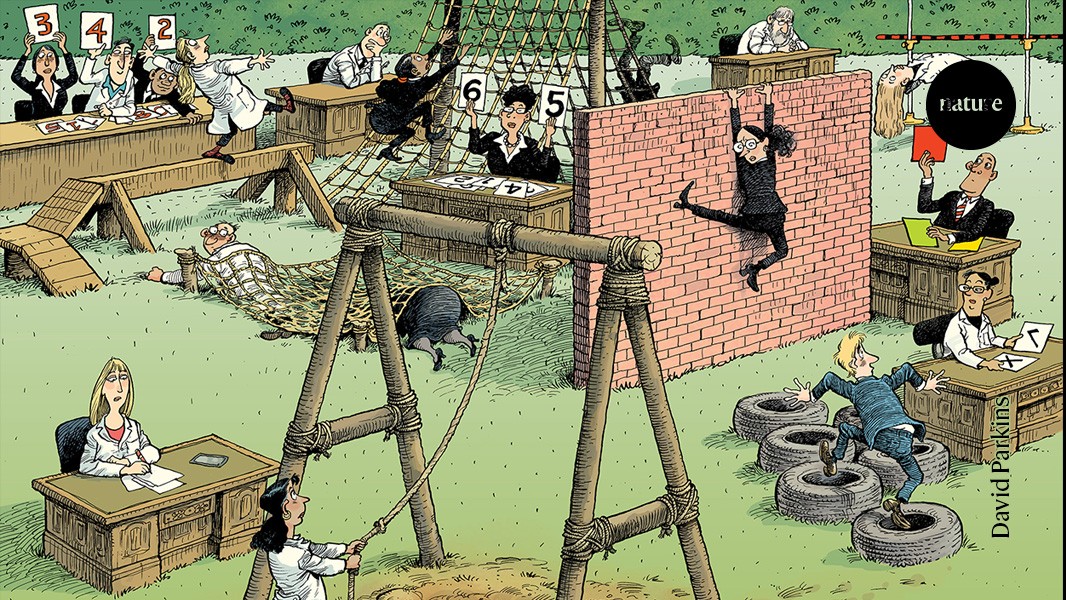
Multi-stage interviews are increasingly common in scientific industries. Regardless of your qualifications, effective preparation and demonstrating your abilities at each step is crucial for success.
How Can I Break Into the Industry If My Resume Keeps Disappearing Into a Black Hole?
A global 2024 survey by Nature revealed insights from over 1,100 recruiters across academia, industry, and various sectors in 77 countries. They prioritize “soft skills” such as communication, teamwork, and adaptability when evaluating candidates. Merely listing these skills on your resume isn’t enough; you’ll need to convincingly demonstrate them during interviews.
The careers team at Nature consulted with recruiters, career coaches, and hiring managers to ensure you’re adequately prepared for the multi-stage interview process.
Understanding the Process
Typically, your first contact is a recruiter or talent acquisition specialist, who assesses your resume and determines whether you’ll advance to the next stage.
According to Alona Belski, director of the career center at the Paul Scherrer Institute, recruiters are not only gatekeepers; they can provide valuable insights. “Gather as much information from them as you can.” Each company has its specific hiring process, which may vary in the number of interviews conducted. Company websites often detail this information; if not, don’t hesitate to ask your recruiter.

How LinkedIn Helped Me Navigate My Post-PhD Career Path
The next stage usually involves the hiring manager, who makes the final decision. Expect behavioral questions that gauge your compatibility with the team, such as, “Can you describe a time you received constructive criticism?”
Subsequently, you may take part in a technical interview with team members. This session will assess your expertise and your ability to apply your skills to real-world problems, often conducted as a panel interview.
Finally, the last interview stage typically includes a senior manager, who will likely focus on strategic aspects and gauge whether you can represent your company positively in the industry.
Interview Preparation Strategies
Benjamin Weber, VP of Translational and Data Science at CSL, emphasizes the importance of thorough preparation. “The biggest mistake candidates make, especially for senior roles, is showing up unprepared.”
Preparation can take various forms: research the role, company, salary expectations, hiring processes, and office culture. Have pre-prepared stories that highlight your skills while tailoring your narrative for different audiences.
Many job seekers falter due to inadequate research about the company. “That’s the bare minimum,” says Elena Hoffer, career coach and co-founder of Alma.Me. Hoffer and Weber advise candidates to delve deeper into company products and culture, and even reach out to current employees to get a better understanding.
Tailoring your responses to the specific stage of the interview process is crucial for success. “You need to know who these people are and how they fit into the process,” advises Birch.

Ace Your Tech Interview with These 6 Techniques
The initial interview with a recruiter is crucial; it allows you to obtain vital details about subsequent interviewers and the relevance of your resume to the role.
In every interview, “concise communication is essential,” advises Hoffer. Avoid rambling; focus on clarity rather than complexity.
Remember, you’re conversing with another human being. Sophia Parks, a project manager at Health Catalyst, notes that transitioning from academia to industry interviews requires a change in mindset from data-driven questions to engaging conversations.
Source: www.nature.com