


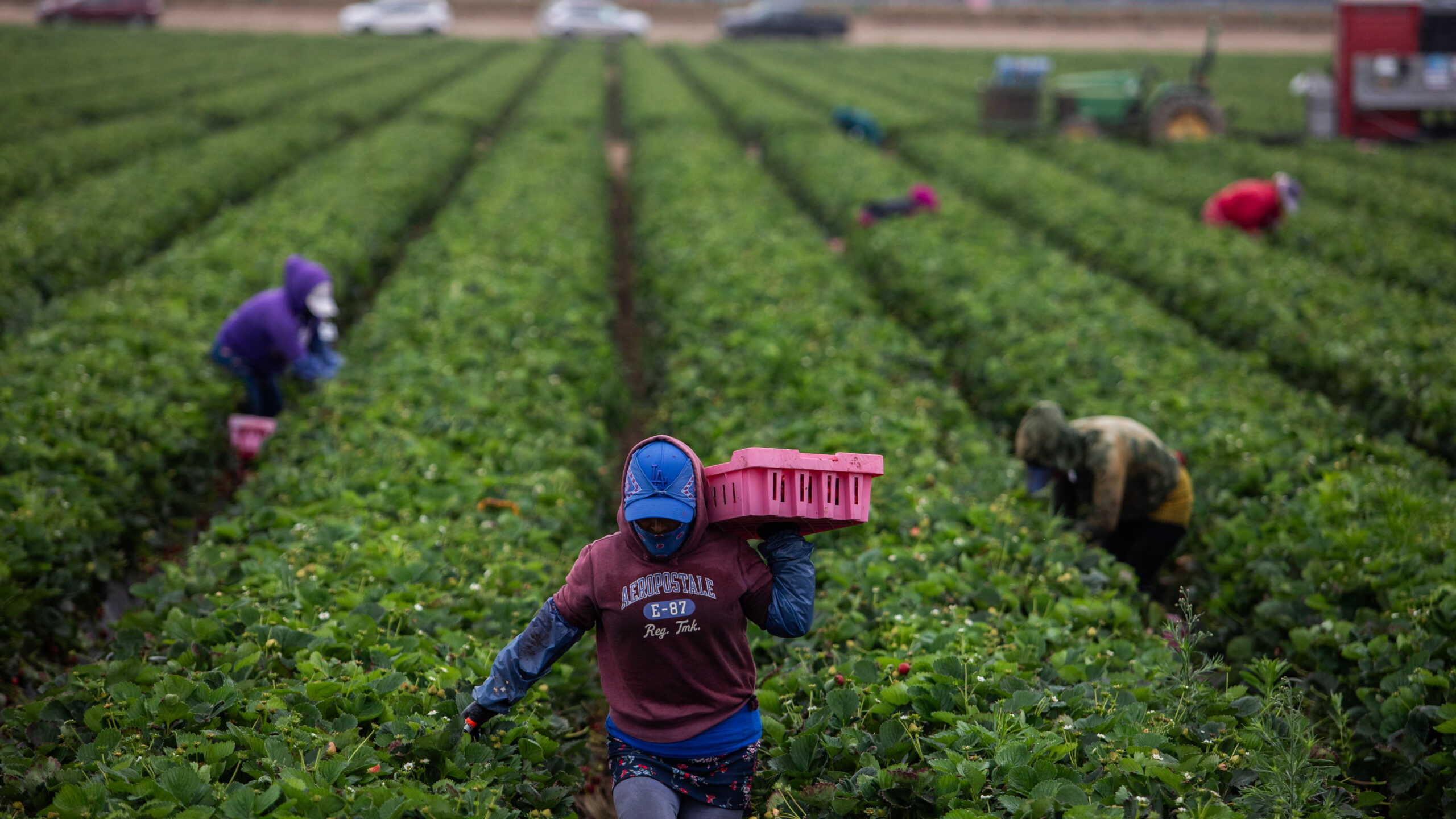
Extreme Heat Puts Farmworkers at Risk as Heat Protections Lag
Extreme heat can overwhelm the body’s ability to regulate its internal temperature, causing heat cramps, heat exhaustion, and potentially fatal heat stroke. High temperatures can also worsen neurological, respiratory, cardiovascular, and diabetes-related conditions. For children, heat exposure may affect learning and concentration. For outdoor workers, symptoms such as fatigue, dizziness, and confusion can become especially dangerous when work involves heavy equipment, vehicles, or other hazardous conditions.
Farmworkers have limited federal and state protections against extreme heat. In 2024, the Occupational Safety and Health Administration proposed a new heat-safety standard that would clarify employer responsibilities and require businesses to identify, evaluate, and control heat hazards in indoor and outdoor workplaces. Two years later, the proposal is still moving forward slowly.
Without a specific federal heat-safety regulation, OSHA has primarily relied on the general-duty provisions of the Occupational Safety and Health Act of 1970. These provisions require employers to provide workplaces free from recognized hazards that could cause death or serious physical harm, including dangerous heat exposure.
California, Colorado, Maryland, Minnesota, Nevada, Oregon, and Washington have adopted state-level heat protections for outdoor workers. Other states, including Florida and Texas, have restricted local governments from creating their own workplace heat-safety rules.
In 2024, the Florida Legislature blocked local governments from establishing heat protections for outdoor workers. The law was passed after Miami-Dade County commissioners considered a proposal requiring construction and agricultural companies to provide water and rest breaks when the heat index reached at least 95 degrees. The proposal also called for employee training on heat stroke prevention and first aid.
“Farming is a dignified and important job,” Economos said. “I’m not trying to take people out of farming. We’re trying to elevate farming because it’s a skilled trade. It’s not, as some people say, menial labor. Give it a try.”
This article was first published by Inside Climate News, a nonprofit, nonpartisan news organization covering climate, energy, and the environment. Sign up for its newsletter here.
Source: arstechnica.com