


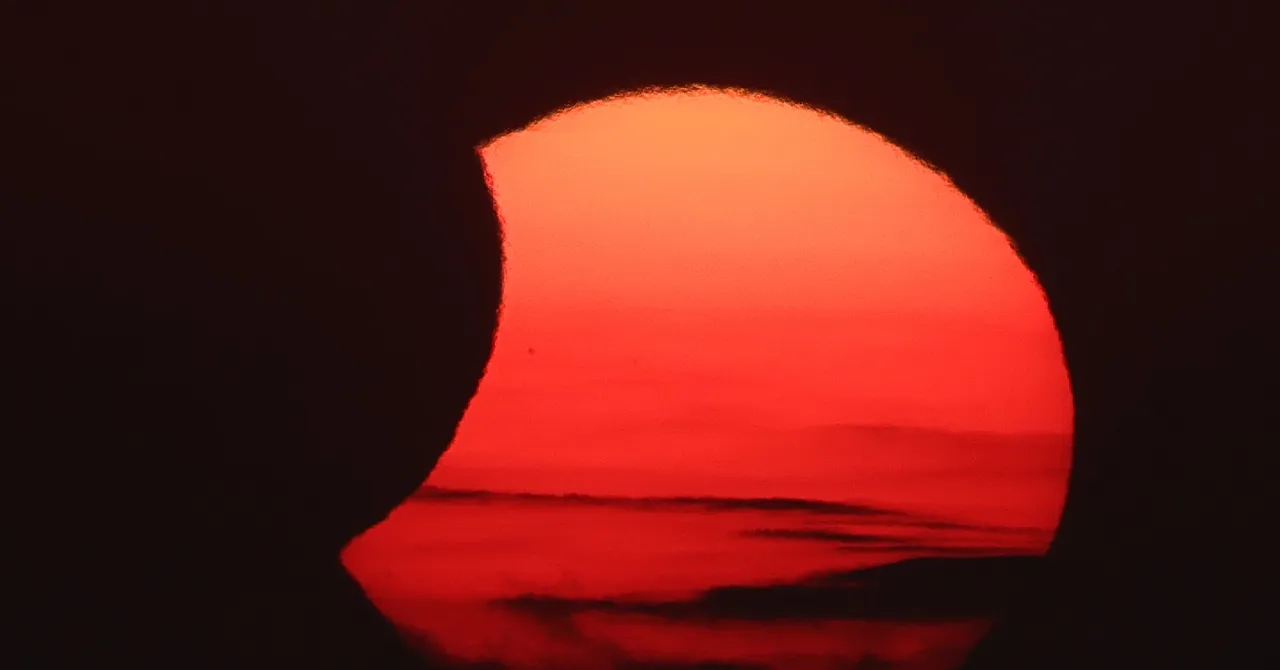
Several Spanish regions—including Galicia, Asturias, Castile and León, Madrid, Aragon, Catalonia, the Valencian Community and the Balearic Islands—experienced a total solar eclipse. Other areas across Spain witnessed a partial solar eclipse as the Moon passed between Earth and the Sun.
The solar eclipse unfolded over approximately four and a half hours, although total darkness lasted less than two minutes in the areas within the path of totality. That brief window gave scientists and space agencies an opportunity to carry out observations and collect valuable data about the Sun and its atmosphere.

Among the most significant research efforts was a NASA mission that used WB-57 high-altitude research aircraft to follow the Moon’s shadow. Flying at approximately 50,000 feet, the aircraft carried scientists seeking new insights into the solar corona—the Sun’s outer atmosphere, which is especially difficult to study in detail except during a total solar eclipse.
Source: www.wired.com