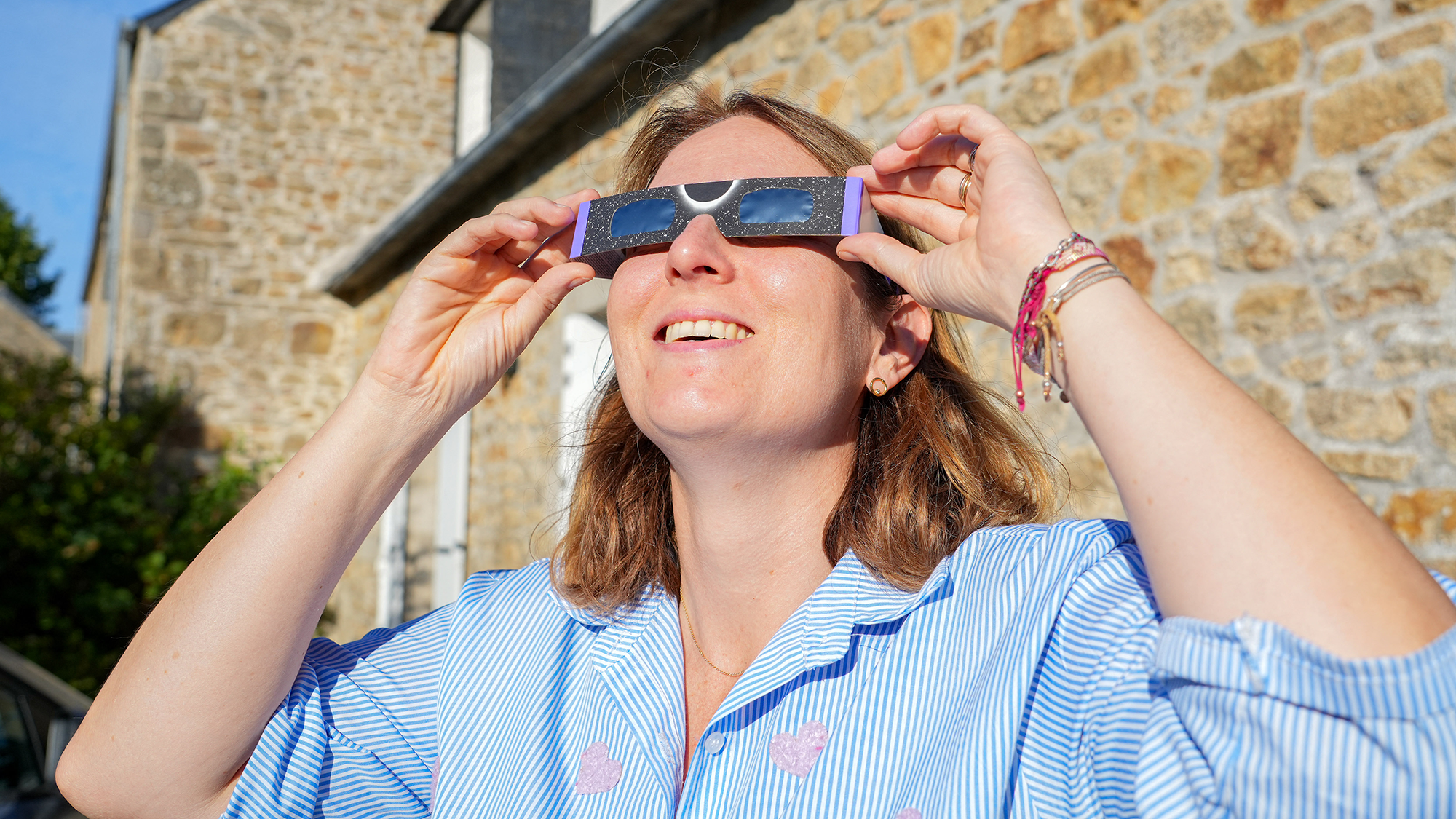
For space enthusiasts and skywatchers, Wednesday, August 12, promises to be a memorable date. During the day, people across parts of North America—including Alaska, eastern Canada, and the northeastern United States—will have the opportunity to observe a partial solar eclipse.
Across the Atlantic, a total solar eclipse will be visible from eastern Greenland, western Iceland, and northern Spain. Anyone planning to view the event should use certified solar eclipse glasses during the partial phase. This precaution is essential throughout the eclipse for viewers in North America. The right eclipse-viewing gear can help you safely enjoy this rare astronomical event from almost anywhere.
Once the sun sets, the night sky will offer another spectacular show: the Perseid meteor shower. The annual meteor shower is expected to peak on the night of August 12 and into the early hours of August 13. Thanks to the new moon, darker skies should give stargazers a better chance of seeing bright meteors streak across the heavens. The best viewing window is between midnight and 2 a.m. local time. According to the Planetary Society, observers in dark-sky locations could see between 50 and 75 meteors per hour. With minimal moonlight, the evening will also be ideal for viewing the Milky Way and spotting six planets appearing together before dawn.
Live Science asked readers: Will you watch the solar eclipse, the Perseid meteor shower, or both?
More than 240 readers responded to the survey, which was published on August 10. At the time of writing, 51% planned to watch both celestial events, while 21% were interested only in the Perseid meteor shower. Approximately 20% of respondents said they were not in a suitable location to view the solar eclipse. One reader from Georgia commented, “I’m in Georgia and not in an area where I can watch it, but I’m going to watch it online!” NASA and the European Space Agency are expected to provide live eclipse streams from Spain beginning at around 1 p.m. EDT.
Perhaps most surprisingly, 2% of readers said they would skip both events and stay indoors to “scroll through Instagram.”
Others are planning unforgettable ways to experience these rare astronomical events. One reader said, “My brother is heading to Spain for the eclipse and meeting up with a group of surfers. They’re going to surf during the eclipse.”
Will you watch the August 12 solar eclipse, the Perseid meteor shower, or both? Share your skywatching plans in the comments below.