


These efforts are already producing results. In 2021, the National Institutes of Health (NIH) awarded a $38.5 million grant to the Developmental Genotype-Tissue Expression Project (dGTEx). The initiative is creating the first comprehensive database of healthy pediatric tissues by preserving samples donated by the families of children who have died and mapping gene activity across major organ systems.
Taylor and her team curate and standardize information associated with each tissue sample, including family medical history and collection details. Another research group analyzes the samples and combines the findings into a reference database showing how genes are expressed during childhood. This healthy baseline could advance research into normal development, disease risk, drug effectiveness, and other biological processes.
Eventually, the dGTEx team will contribute its findings to the Human Cell Atlas, which now includes a dedicated pediatric section thanks in part to Taylor and many co-authors of the 2019 paper.
Although Taylor’s primary role involves collecting and organizing data for dGTEx, colleagues describe her as the person who connects diverse research projects and disciplines. This role is particularly important to the Human Cell Atlas, a global collaboration made up of researchers pursuing a wide range of scientific goals.
“Diane looked at the big picture and said, ‘You know what? We need to understand more than just children’s kidneys, children’s brains, and children’s immune systems. We need a comprehensive perspective on child development.’ She embodies that interdisciplinary spirit,” said Sarah Teichman, co-founder of the Human Cell Atlas.
Building a Healthy Genetic Baseline
Taylor has described her career as a “random walk,” shaped by an intense curiosity that she now associates with undiagnosed autism and ADHD. At age five, she began reading her mother’s medical books. By 12, she was borrowing physics books from the library because she wanted to solve its mysteries and understand how the world worked.
Taylor earned a PhD in biophysics in 2001. Inspired by the Human Genome Project, she later took a postdoctoral position at Pfizer, where she wrote computer programs to process complex data for rare-disease research. She then moved into reproductive medicine and helped develop some of the first software programs used to screen embryos for chromosomal abnormalities. Many of those tools remain in use today.
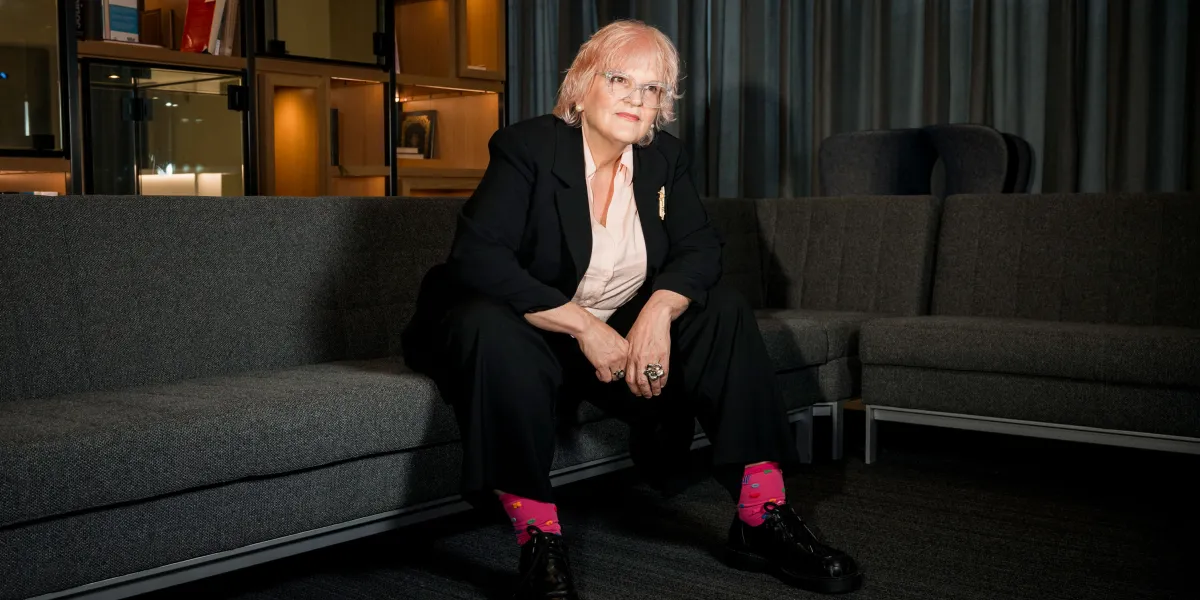
Hannah Yoon
Despite her seemingly winding career path, Taylor says her focus has always been the same: understanding why the same disease can affect people differently. If two people carry the same disease-associated genetic mutation, why does only one develop the condition?
The Human Cell Atlas, which incorporates data from dGTEx and other research initiatives, could help scientists answer that question. The project is a natural extension of the Human Genome Project, completed in 2003, which helped researchers connect specific genes with particular diseases. However, a genome map is like a do-it-yourself kit containing all the parts but no assembly instructions. Scientists still need to understand where, when, and how cells use each gene throughout the body.
Source: www.technologyreview.com