


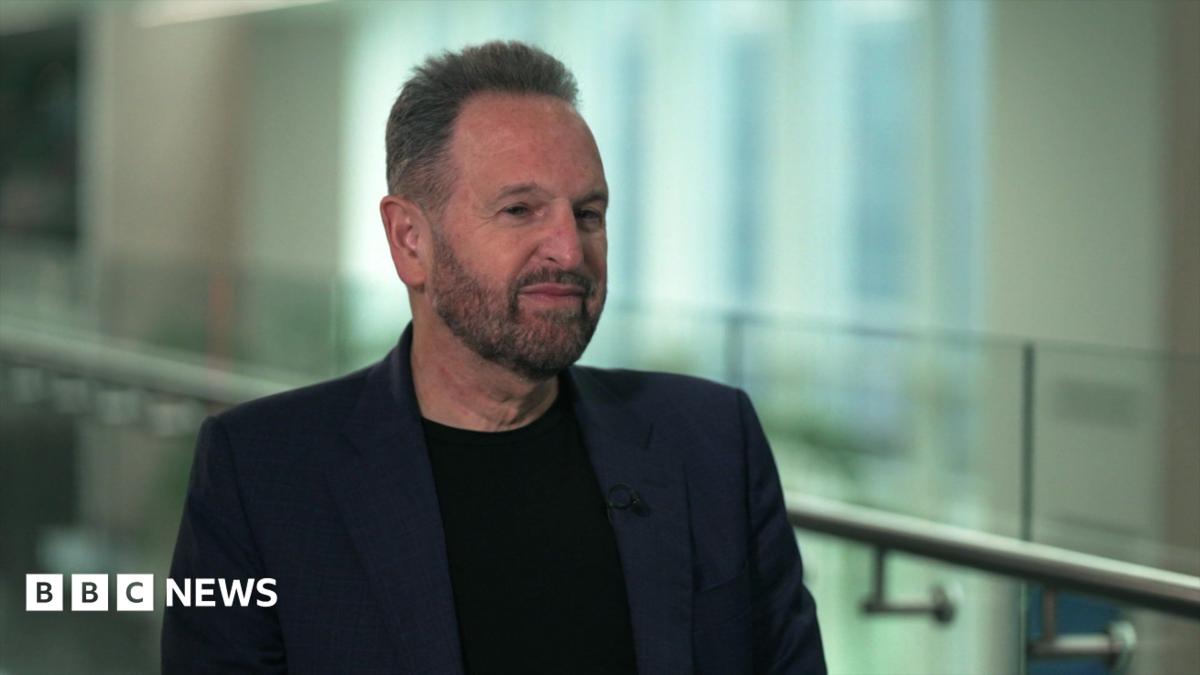
Artificial intelligence could help discover cancer treatments that would take humans a lifetime to develop, according to the CEO of one of the UK’s largest technology companies.
René Haas, chief executive of Cambridge-based chip designer Arm Holdings, said using artificial intelligence to model how cancer affects DNA markers is currently an “overly complex” challenge. However, he believes advanced computer models will eventually help solve it.
Haas also told the BBC that AI-powered humanoid robots could become widely used within the next five years. He said, however, that the rapid expansion of artificial intelligence is being slowed by a global shortage of the chips required to build and operate data centres.
He was also skeptical that advanced AI chips could be manufactured in the UK on a significant scale in the future.
Arm designs the central processing units, or CPUs, used in hundreds of billions of smartphones, cars, smartwatches and other connected devices worldwide.
Earlier this summer, Arm’s share price reached a record high during the surge in artificial intelligence investment, making it the most valuable UK-based company by market capitalisation.
Haas, who stepped down from the board of British pharmaceutical company AstraZeneca in April, told the BBC’s Big Boss interview podcast that AI-assisted cancer treatment could become possible within his lifetime.
“Modelling cells, modelling humans and understanding how DNA markers are affected by cancer is a problem that is too complex today—not only for people, but also for computers running AI,” he said.
“But over time, as we provide these systems with more data and the models become more sophisticated, the problem will be solved.” Haas also holds a senior position at Arm’s parent company, Japan-based SoftBank, which has investments across the technology sector, including OpenAI.
Chris Bakal, a professor at the Institute of Cancer Research in London and chief executive of Sentinal4D, said the key question is no longer whether AI should be used in medical research, but what data it should receive.
He said laboratories such as his are training AI systems using data collected directly from patient samples rather than information gathered from the internet.
“We do not need enormous data centres to run these systems. The future of medical AI will not necessarily belong to whoever builds the biggest computer. It will belong to whoever has the most accurate and useful measurements.”
“The ability to make more accurate predictions could reduce the time needed to develop new cancer treatments by several years. That is where AI could deliver its greatest benefits for patients.”
Source: www.bbc.co.uk