


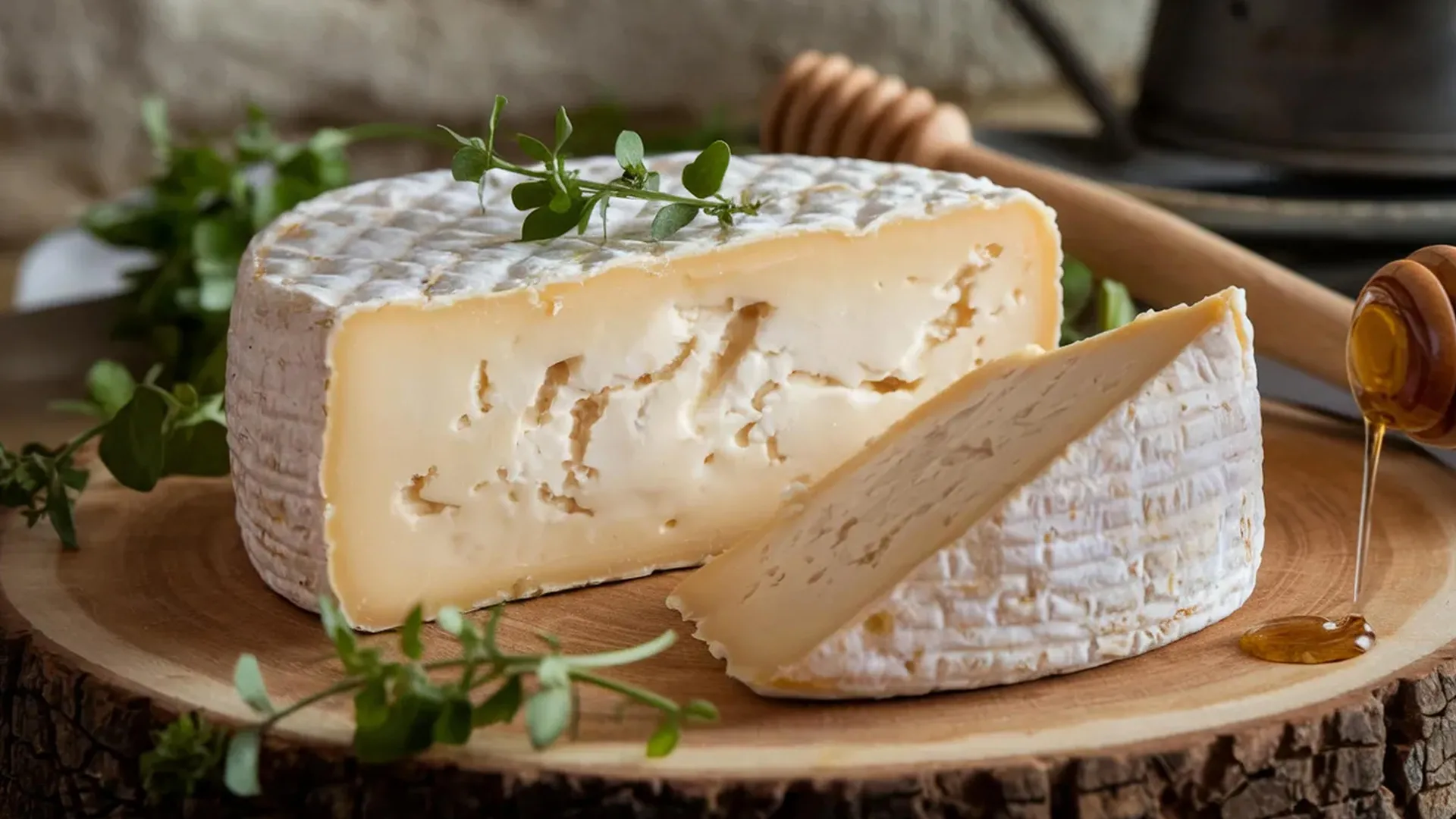
Scientists have identified the bacteria responsible for the distinctive flavour, texture and aroma of three British artisan cheeses. The findings also suggest that some of these microorganisms may offer potential benefits for gut health.
Researchers from the Food Microbiology Unit at the University of Reading studied the microbial and biochemical changes that take place as three locally produced Oxfordshire cheeses mature. Their findings indicate that some of the bacteria involved in developing each cheese’s unique characteristics may also benefit the people who eat them.
Published in ACS Food Science & Technology, the research examined three varieties made by Nettlebed Creamery in Oxfordshire. These included a soft, white-rind cheese aged for just over a week, a washed-rind semi-soft cheese matured for several weeks, and a semi-hard cheese aged in hay for approximately nine months.
Cheese flavour and texture linked to beneficial bacteria
Lead author Sabrina Longley, a postdoctoral researcher in the School of Food and Nutritional Sciences, said: “Good cheese tastes good, and the artisan varieties we studied are rich in microorganisms that may support gut health.
“The ripening process creates more complex flavours and textures through the activity of an army of beneficial bacteria. The fat and protein structure of cheese may also help protect bacteria as they pass through the gastrointestinal tract, making cheese a potential vehicle for delivering probiotics to the gut.”
To monitor how the cheeses changed during maturation, the researchers collected samples at several stages of ripening. They then analyzed the bacterial communities and chemical composition of each cheese.
All three cheeses contained bacteria that have been recognized for their probiotic potential, meaning they may help support populations of beneficial microorganisms in the gut. Streptococcus thermophilus, which is also commonly used as a yoghurt starter culture, remained predominant in the semi-soft and hard cheeses throughout ripening. Lactococcus lactis was detected in all three cheeses from the beginning to the end of the process.
The washed-rind and hay-aged cheeses also contained Propionibacterium freudenreichii. This bacterium produces propionic acid, a compound associated with anti-inflammatory effects, reduced cholesterol synthesis and appetite regulation.
Cheese rind may provide prebiotic compounds
Cheese lovers who enjoy eating the rind may have another reason to do so. Penicillium candidum, the white mould responsible for the characteristic rind of the soft cheese studied, produces chitin, a dietary fibre that may act as a prebiotic.
Prebiotics provide nourishment for beneficial gut bacteria and may help encourage positive changes in the gut microbiome.
The hay-aging process also appeared to have a significant effect on the harder cheese. As it matured, the diversity of bacterial species increased substantially. The fully ripened cheese contained almost four times as many bacterial species as the same cheese at an earlier stage of maturation.
Ripened cheese contains very little lactose
The researchers also found that lactose, the milk sugar that can be difficult for some people to digest, was almost completely removed from all three cheeses during ripening.
During fermentation, lactic acid bacteria broke down most of the lactose, leaving only a small amount by the time the cheese was ready to eat.
Sabrina Longley is also a cheesemaker at the independent Nettlebed Creamery in Oxfordshire, which partly funded the research. She is completing her PhD part-time with support from a regional scholarship provided by the University of Reading. The programme is designed to help people from the region advance their research careers.
The researchers emphasize that further studies are needed before firm conclusions can be drawn about the health effects of artisan cheese. Dietary intervention trials will be necessary to determine how these bacterial populations behave in the gut microbiome after cheese is consumed and what effects they may ultimately have on the human body.
Source: www.sciencedaily.com