


Arctic temperatures are rising nearly four times faster than the global average, making climate change especially significant for Arctic freshwater ecosystems. Although scientists have documented many worldwide effects of global warming, the impacts of permafrost thaw on Arctic rivers, food webs, and fish populations remain less understood.
Permafrost is ground that remains frozen for at least two consecutive years. It contains soil, sand, rock, and organic matter held together by ice. As temperatures rise, thawing permafrost can alter groundwater flow and introduce new materials into rivers. These changes may affect water temperature, streamflow patterns, nutrient levels, and overall freshwater quality.
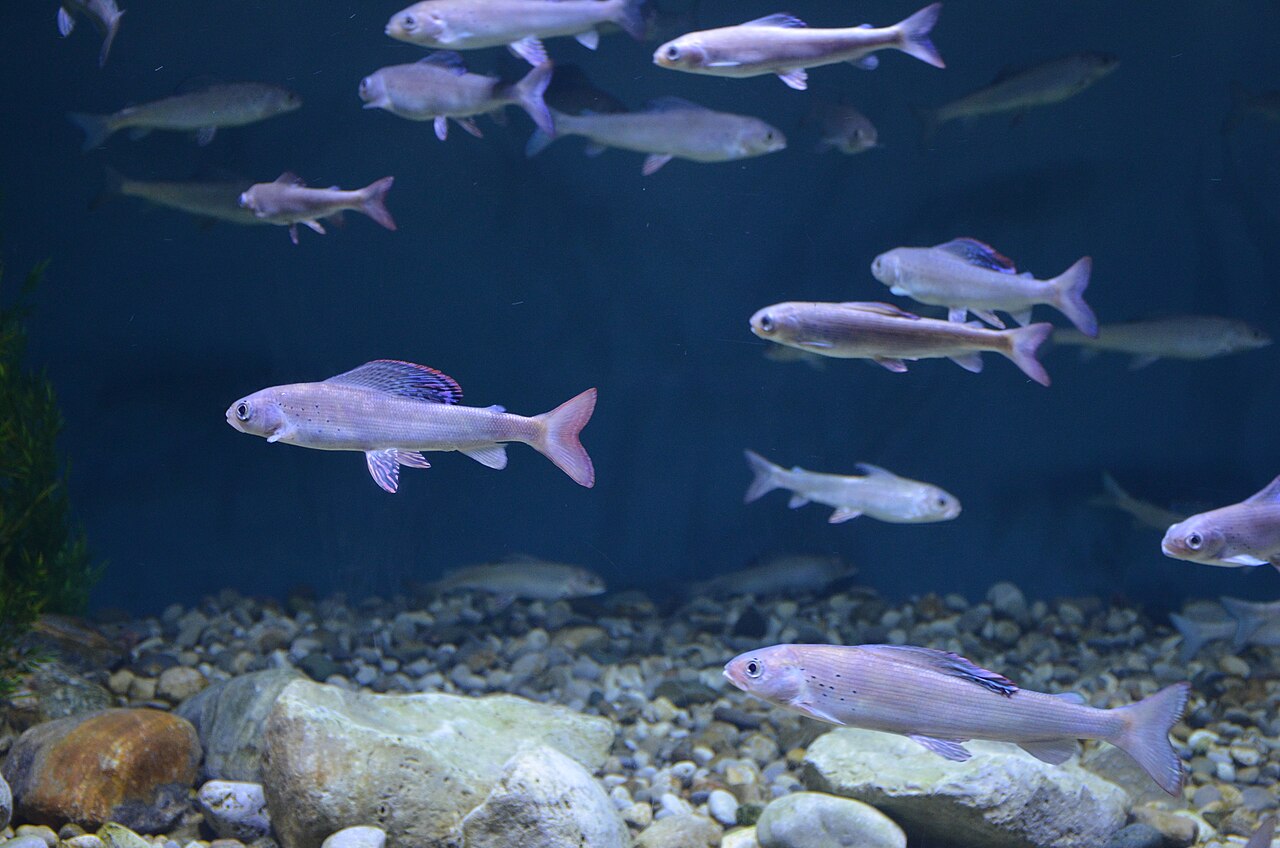
To examine how permafrost thaw may affect Arctic freshwater ecosystems, U.S. Geological Survey scientists surveyed 10 headwater streams in Alaska’s Brooks Range within Noatak National Preserve. The researchers studied rivers with different levels of permafrost and ice to determine whether permafrost conditions were linked to aquatic food webs and populations of Dolly Varden and Arctic grayling. These fish species were selected because changes in their abundance, biomass, and movement can indicate shifts in local ecosystem health.
Scientists collected fish from the rivers by temporarily stunning them through a method called electrofishing or by capturing them in minnow traps. They identified each fish species, froze the specimens, and transported them to a laboratory. There, researchers measured the length of each fish and used documented growth patterns to estimate biomass. Fish abundance was calculated by dividing total biomass by the amount of time spent electrofishing or trapping. Researchers then used a device called a bomb calorimeter to measure each fish’s energy density.
The research team recorded water temperatures manually at each river and installed data loggers that measured temperature every 15 minutes. Equipment placed on the streambeds recorded water pressure at the same intervals. Because water pressure increases with depth, scientists converted these measurements into water-depth data. They also used wading rods to measure the amount of water flowing through each stream at specific locations.
By combining water-depth measurements with wading-rod data, the scientists calculated streamflow over time. These results helped identify unstable rivers where water levels rose and fell rapidly. The team also collected water samples to measure nutrient concentrations, including dissolved organic carbon, nitrogen, and phosphorus, as indicators of water quality.
Finally, the researchers examined two groups of small organisms that help move energy through Arctic river food webs: biofilm and macroinvertebrates. Handheld equipment was used to estimate biofilm type and abundance, while nets helped scientists collect macroinvertebrates from the rivers.
After collecting the data, the research team used statistical analyses to compare water conditions, food-web characteristics, and fish populations with the amount of permafrost in each watershed. The researchers found that rivers in areas with greater permafrost coverage had higher water temperatures. Permafrost can limit water infiltration into the ground, reducing opportunities for groundwater to cool before entering streams.
Warmer rivers had lower Dolly Varden and Arctic grayling abundance and biomass, as well as lower fish energy density. The researchers suggested that higher temperatures may push these fish beyond their optimal temperature range, making it more difficult for them to grow, find food, and maintain their energy reserves.
The study also found that limited water infiltration in permafrost-dominated areas caused more rainfall to flow directly into rivers. This increased stream instability, with water levels rising and falling rapidly. Fish living in these unstable rivers had lower energy densities, likely because they faced more challenging environmental conditions.
Watersheds with more permafrost also contained higher concentrations of dissolved organic carbon and phosphorus. These nutrients supported the growth of biofilm at the base of the aquatic food web. Areas with more biofilm also had greater numbers of macroinvertebrates and higher Dolly Varden biomass. Because Dolly Varden feed on macroinvertebrates, the findings suggest that conditions at the bottom of the food web can influence the health of species higher up. This process is known as a bottom-up effect. In other words, rivers with more biofilm and macroinvertebrates may support larger and healthier fish populations.
Understanding how permafrost, water temperature, streamflow, nutrients, and aquatic food webs interact will help scientists predict how Arctic fish populations may respond to climate change. The researchers hope their findings will support future studies and improve predictions about how permafrost thaw and landscape changes caused by global warming will affect Arctic freshwater ecosystems.
Post views: 99
Source: sciworthy.com