


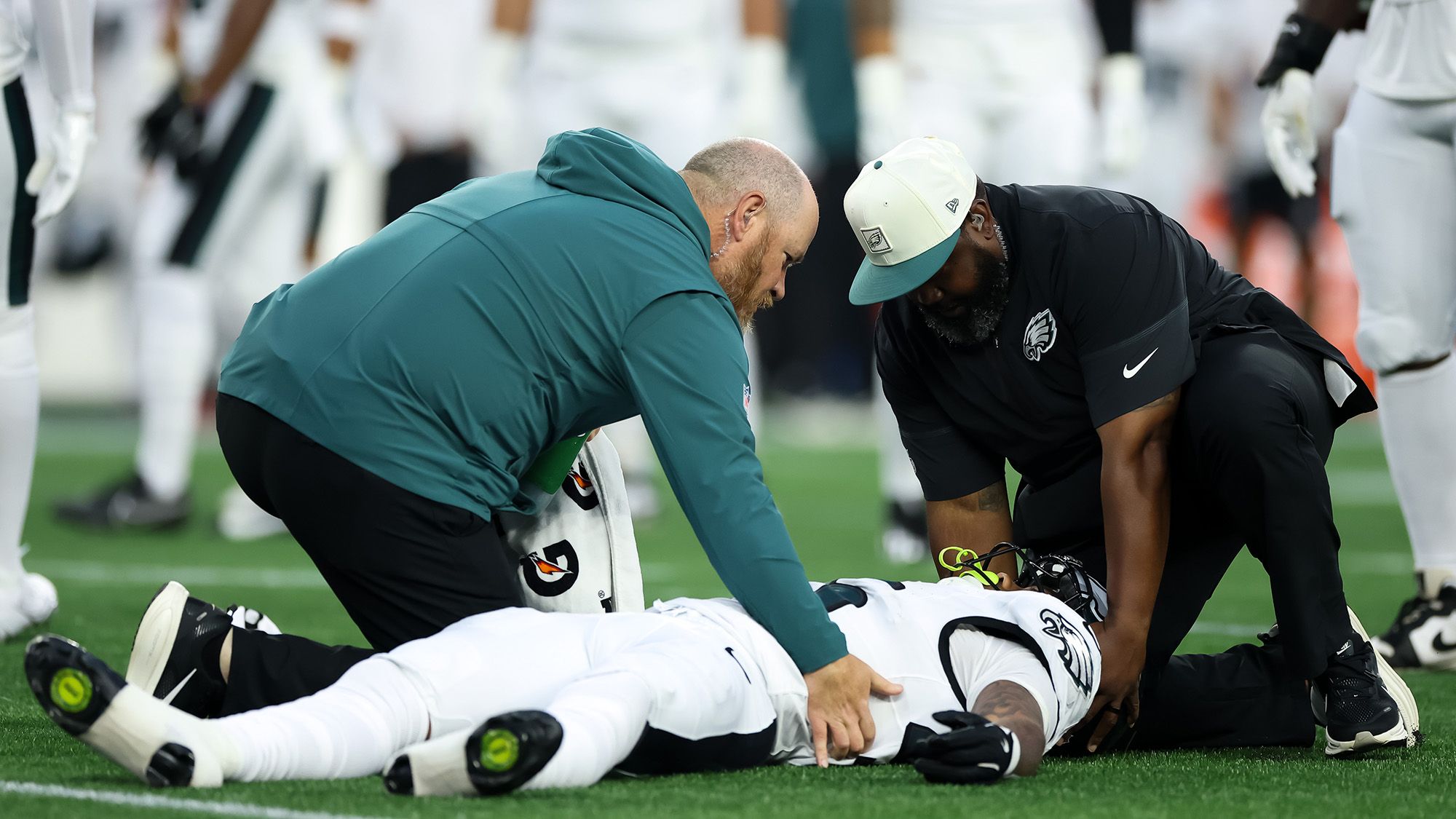
CTE in Former NFL Players: What a New Study Reveals About Brain Health and Football
A new study suggests that at least one in four former National Football League (NFL) players who died in recent years may have had brain changes associated with chronic traumatic encephalopathy (CTE). However, researchers and experts caution that the findings do not provide a direct estimate of CTE risk for current NFL players or athletes in youth, high school or college football.
Study examines CTE in donated NFL player brains
The study, published Aug. 25 in The BMJ, analyzed donated brain tissue from 338 former NFL players who died between 2008 and 2021.
During that period, 1,712 former NFL players died. Because brain tissue was available from only 338 individuals, the researchers examined approximately 20% of the former players who could theoretically have been included in the analysis. They then used statistical models to estimate how common CTE may have been among the broader group.
More than 93% of the donated brains showed physical changes linked to CTE. These changes included the buildup of abnormal proteins in particular areas of the brain. Approximately 30% of the donated brains had stage IV CTE, the most advanced and severe form of the disease.
Because the study involved brain donations, the findings may not represent all former NFL players. People who donate their brains for research may be more likely to have experienced memory problems, dementia, behavioral changes or other symptoms during their lifetimes.
CTE brain changes do not always cause symptoms
The physical signs of CTE are not always accompanied by obvious clinical symptoms. These symptoms can include memory loss, cognitive decline, changes in mood or behavior, and dementia.
In the study, approximately 60% of the people with CTE-related brain changes had also been diagnosed with dementia. The connection was stronger among people with stage IV CTE: about 90% had a dementia diagnosis.
Across the entire study period, the researchers estimated that between 18.5% and 98.7% of deceased former NFL players may have had CTE. During the years with the highest number of brain donations, from 2016 to 2021, the estimated range was 24.5% to 97.7%.
The researchers considered the estimate from 2016 to 2021 to be more representative because more brain donations were available during those years. Still, the unusually broad range reflects the uncertainty surrounding the sample and the difficulty of determining how representative brain donors are of all former NFL players.
Why the study does not reveal the CTE risk for current players
To put the findings into context, Live Science spoke with Thayne Munce, an associate professor at the University of Kansas and director of the Jayhawk Athletic Performance Laboratory. Munce studies brain health, concussion and repetitive head impacts in contact sports and was not involved in the BMJ study.
Munce said the high percentage of CTE found among the donated brains was consistent with earlier research involving brain banks. However, he emphasized that the study focused on former players who died between 2008 and 2021. The average age of the players was slightly over 70, meaning many of them likely played professional football during the 1960s and 1970s.
Football in that era had different rules, equipment and medical practices. Players were often exposed to more contact during practices, and concussions were less likely to be recognized or treated. Some players may have returned to competition before their brains had recovered from an earlier injury.
The study’s wide prevalence range also results from uncertainty about the donor sample. If the players who donated their brains were representative of all former NFL players, the higher estimates could be closer to the truth. But if people with cognitive, behavioral or neurological symptoms were more likely to donate, the sample could substantially overestimate the prevalence of CTE.
For that reason, the study provides important information about a historical group of professional football players, but it cannot determine how many current NFL players have CTE. CTE can currently be confirmed only by examining brain tissue after death.
Football safety has changed over the past 50 years
Several aspects of football have changed since the former players in the study were active. One major difference involves the rules governing how players tackle and make contact.
In earlier decades, “spearing” — striking with the crown of the helmet — was permitted and sometimes encouraged as a style of play. That technique is now penalized and should not be taught.
Modern football helmets also use improved materials, padding and designs informed by head-impact data. Helmets are now developed not only to help prevent catastrophic injuries such as skull fractures, but also to reduce the force associated with repeated impacts.
Soft-shell helmet covers, including Guardian Caps, are now used by NFL players during some practices and preseason activities. Helmet testing has also advanced. Virginia Tech, for example, maintains a helmet-rating system, and youth football helmets are now evaluated through similar testing programs.
Medical understanding of concussion has improved as well. Athletes with possible concussions are more likely to be removed from play, assessed by medical professionals and given time to recover before returning.
Practice schedules have changed too. Full-contact and two-a-day practices, which were once common at multiple levels of football, are now restricted. Reducing the amount of hitting during practices and preseason activities may lower athletes’ overall exposure to head impacts.
Can playing through a concussion increase brain-injury risk?
Allowing the brain to recover after a concussion is important. Munce said that, in theory, a second injury before recovery could worsen the original injury and increase inflammation or other effects on the brain.
A rare condition called second-impact syndrome can occur when a person suffers another head injury before recovering from a concussion. In severe cases, rapid brain swelling can lead to death. The condition is extremely rare, but it highlights the importance of recognizing concussions and preventing athletes from returning to play too soon.
Even when a second hit does not cause another diagnosed concussion, repeated impacts to an already injured brain may delay recovery and compound inflammation. In previous decades, concussions were often missed because medical staff, coaches and players had less awareness of the symptoms. Athletes were also less likely to report symptoms and might continue practicing or competing.
It is not possible to say from this study whether playing through concussions directly caused CTE. However, repeated head trauma, particularly when the brain has not recovered, may increase the long-term risk of neurological problems.
Brain scans of NFL Hall of Fame player Joe DeLamielleure, who was diagnosed with CTE. The scans are not from the new study.
(Image credit: Charlotte Observer via Getty Images)
CTE is linked to repetitive head impacts
CTE is a neurodegenerative disease identified by neuropathologists who examine brain tissue after death. They look for abnormal proteins and patterns of protein buildup in specific regions of the brain.
Clinical symptoms associated with brain disease can include changes in memory, thinking, mood and behavior. However, the presence of CTE-related proteins does not automatically mean that a person had noticeable symptoms or a clinical diagnosis of dementia.
Some people may experience memory loss or behavioral changes for reasons unrelated to CTE, including normal aging, genetics or another neurological or medical condition. Similarly, a person can have CTE-related brain changes without having developed obvious cognitive or behavioral problems.
The relationship between CTE pathology and symptoms appears to be stronger in more advanced disease. In the BMJ study, people with stage IV CTE were more likely to have dementia than those with less severe changes. This suggests that a threshold of disease progression may need to be reached before the physical changes are more likely to produce noticeable symptoms.
Because CTE cannot currently be diagnosed in living people, former athletes with concerns about memory, mood or behavior should not assume that they have CTE. Many neurological conditions can be evaluated and managed with medical care, therapy and, when appropriate, medication.
How much CTE risk do youth and high school football players face?
The CTE risk associated with professional football should not be applied directly to youth, high school or college players. CTE is thought to be related to cumulative exposure to repetitive head impacts, and younger athletes generally experience fewer impacts and lower levels of exposure than professional players.
Munce has spent much of his research career studying repetitive head impacts and neurological function in youth and high school football players. His work focuses on both concussive injuries and “subconcussive” or nonconcussive impacts, which do not cause the obvious symptoms typically associated with a concussion.
Most football-related head impacts do not result in a diagnosed concussion. Even so, imaging studies involving collegiate and high school athletes have found that some players experience measurable brain changes during a season without reporting a concussion.
Research involving former professional players has also suggested that a history of diagnosed concussions alone may not predict who develops CTE. Instead, cumulative exposure to repetitive brain trauma may be a more important risk factor.
That does not mean that youth football players face the same level of risk as NFL players. Head-impact exposure generally increases in a stepwise manner from youth football to high school, college and professional football. Younger athletes usually participate in fewer games, practices and contact sessions, and the force of impacts is typically lower.
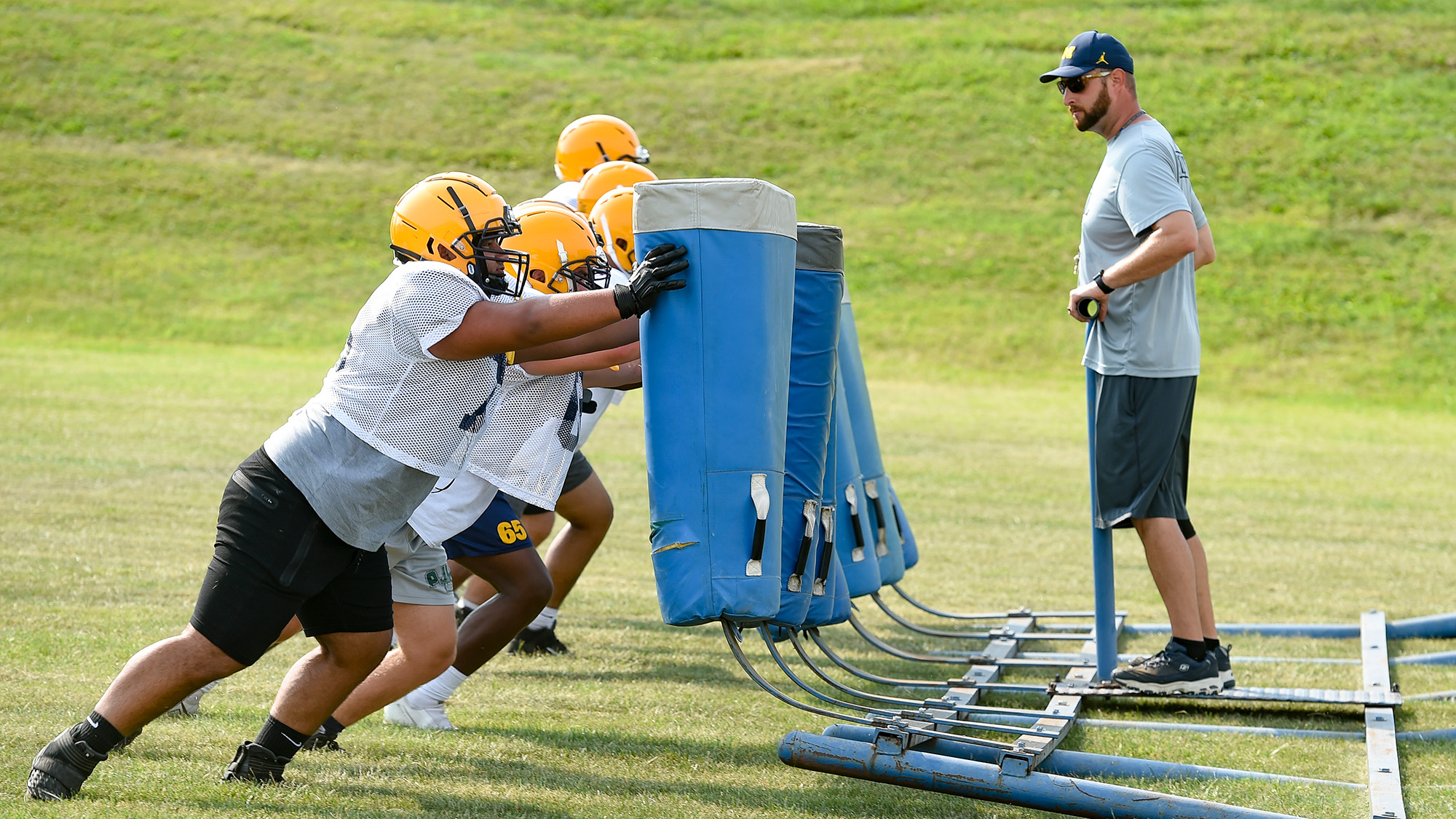
Football players at Muhlenberg High School in Pennsylvania practice drills. Their exposure to repetitive head impacts is generally lower than that of professional players.
(Image credit: MediaNews Group/Reading Eagle via Getty Images)
What should current NFL players take from the findings?
Experts say current players should be cautious about interpreting the study’s prevalence estimates. The players included in the research belonged largely to an earlier era of football, and the range of estimates was extremely broad.
Nevertheless, the findings support continued efforts to reduce head-impact exposure and improve brain health. Even the lower estimate — approximately 25% of players from the historical group — would be concerning if it accurately represented former NFL players.
Rule changes, improved helmets, limits on contact practices and better concussion management may help reduce the risks faced by current athletes. But researchers do not yet have enough evidence to determine whether today’s CTE rates are lower than those of players who competed decades ago.
Because some risk remains in a contact sport, the goal is not to eliminate every head impact but to reduce the number and severity of impacts as much as possible. Continued monitoring and research will be necessary to determine whether safety improvements are producing better long-term outcomes.
Could future treatments or tests detect CTE earlier?
Researchers are investigating several possible ways to protect brain health after repeated head impacts. These include better approaches to sleep, nutrition and recovery, as well as potential medications that could reduce inflammation or otherwise protect the brain.
Such treatments could eventually benefit athletes in football, soccer, hockey and other sports, as well as people in occupations involving repeated head trauma.
A reliable test that could diagnose CTE in living people would also transform research and medical care. An early diagnostic tool could help identify people at higher risk, allow symptoms to be investigated sooner and make it possible to adjust lifestyle, treatment and exposure to further head impacts.
Genetics may also influence individual risk. Two people with similar exposure to repetitive head impacts may not develop the same brain changes. Identifying those differences could help researchers develop more personalized prevention strategies.
What does research show about youth football and brain health?
Munce’s research has focused on measuring repetitive head impacts and neurological function in youth and high school football players. The work is intended to clarify how frequently young athletes experience head impacts, how severe those impacts are and how exposure may affect brain health.
Youth and high school players account for the majority of football participants, making them an important population for public-health research. Understanding their exposure may help coaches, parents and sports organizations develop more effective ways to reduce unnecessary contact while preserving the physical, social and psychological benefits of participation.
Studies of active athletes have helped show that nonconcussive impacts deserve attention alongside diagnosed concussions. Rule changes at the high school and college levels have therefore focused not only on treating concussions, but also on limiting contact during practices and reducing the total burden of head impacts.
Every football hit is a head impact, although only some impacts are strong or well-positioned enough to cause a concussion. The majority are nonconcussive. Researchers are still working to determine how the number, force and timing of these impacts affect long-term brain health.
How can families think about concussion and CTE risk?
Parents and athletes should take concussion symptoms seriously, follow return-to-play guidelines and ensure that a qualified medical professional evaluates suspected head injuries. Players should not be pressured to hide symptoms or continue playing after a possible concussion.
At the same time, the potential risks of football should be considered alongside the benefits of sports participation. Organized sports can support physical fitness, mental health, social development and teamwork.
The risk faced by a young football player is not equivalent to the risk associated with decades of professional play. Professional players generally accumulate far more head impacts over a longer period, and the impacts are often more forceful.
Football safety has also improved significantly. Munce, who played tackle football for 12 years through college, said that the equipment, coaching, medical oversight and practice structures used today are substantially different from those used earlier in his career.
Even with these improvements, choosing whether to play tackle football remains an individual decision for athletes and their families. Researchers continue to work toward providing more precise estimates of concussion and CTE risk at each level of play.
At present, scientists cannot give families an exact probability that a child will develop CTE after playing youth or high school football. That uncertainty makes it especially important to continue studying repetitive head impacts, improve injury prevention and ensure that athletes receive appropriate care after suspected concussions.
This article is for informational purposes only and is not intended to provide medical advice. The interview has been condensed and edited lightly for clarity.
Source: Daneshvar, D.H., Nowinski, C.J., Abdolmohammadi, B., Luster, C.B., Uretsky, M., Martin, B.M. et al. (2026). “Prevalence of chronic traumatic encephalopathy at death in National Football League players: retrospective population based cohort study, 2008–21.” The BMJ.
Test your knowledge of the most complex organ in the human body with our brain quiz!
Source: www.livescience.com