


Conditions in the central Pacific are even more uncertain. Corals from the Line Islands show a similar average increase in El Niño-related rainfall, but the records vary much more widely. Researchers say this uncertainty is partly because the records rely exclusively on oxygen isotopes. During intense El Niño events, heavy rainfall can account for more than half of the recorded signal by changing the oxygen composition of seawater.
Even so, the less distinct central Pacific coral record is consistent with climate model projections. Models indicate that human-driven climate change should emerge first in the eastern Pacific. “The faster emergence in the eastern Pacific is exactly in line with the model,” Cole said.
What Coral Records Reveal About the Future
Global warming is expected to intensify the hydrological effects of the El Niño–Southern Oscillation (ENSO), bringing wetter wet phases and drier dry phases regardless of the temperature fluctuations associated with ENSO. Even if El Niño’s temperature patterns remained unchanged, a warmer atmosphere would hold more water vapor, increasing the severity of floods and droughts.
If ENSO temperature fluctuations also grow stronger, the resulting climate impacts could be even more extreme. However, coral records cannot determine how these combined effects will unfold. “We can’t predict the future. We’re like a crystal ball looking into the past. It’s a little fuzzy, but that’s our coral,” Cole said.
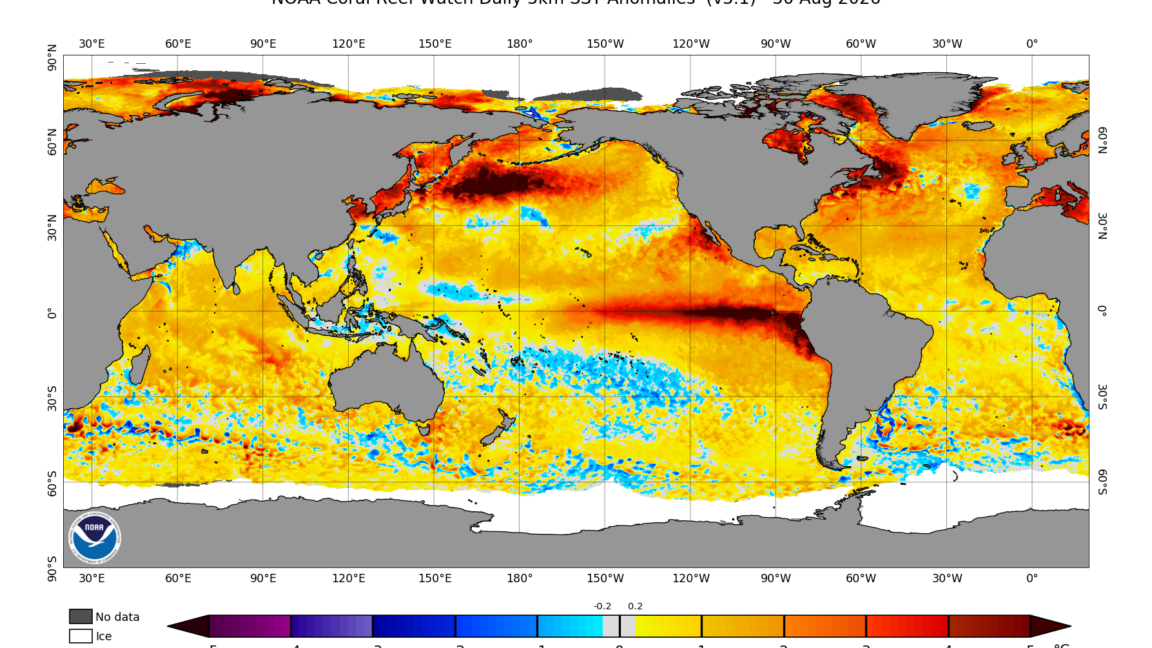
Since Cole’s research was completed, the future has already begun to take shape. Two additional strong El Niño events have occurred since the coral temperature records ended, and Cole and many other climate experts expect another record-breaking event. “This suggests that what we are seeing is not a fluke, but rather a new type of El Niño situation, a new style of El Niño,” she said.
Although the precise nature of this shift remains uncertain, Cole and her colleagues are confident about its underlying cause. “We attribute it to global warming. We know what causes global warming, and that’s the use of fossil fuels,” Cole said. “It’s another warning sign of what we’re facing in a warming world.”
Science, 2026. DOI: 10.1126/science.ady2660
Source: arstechnica.com