


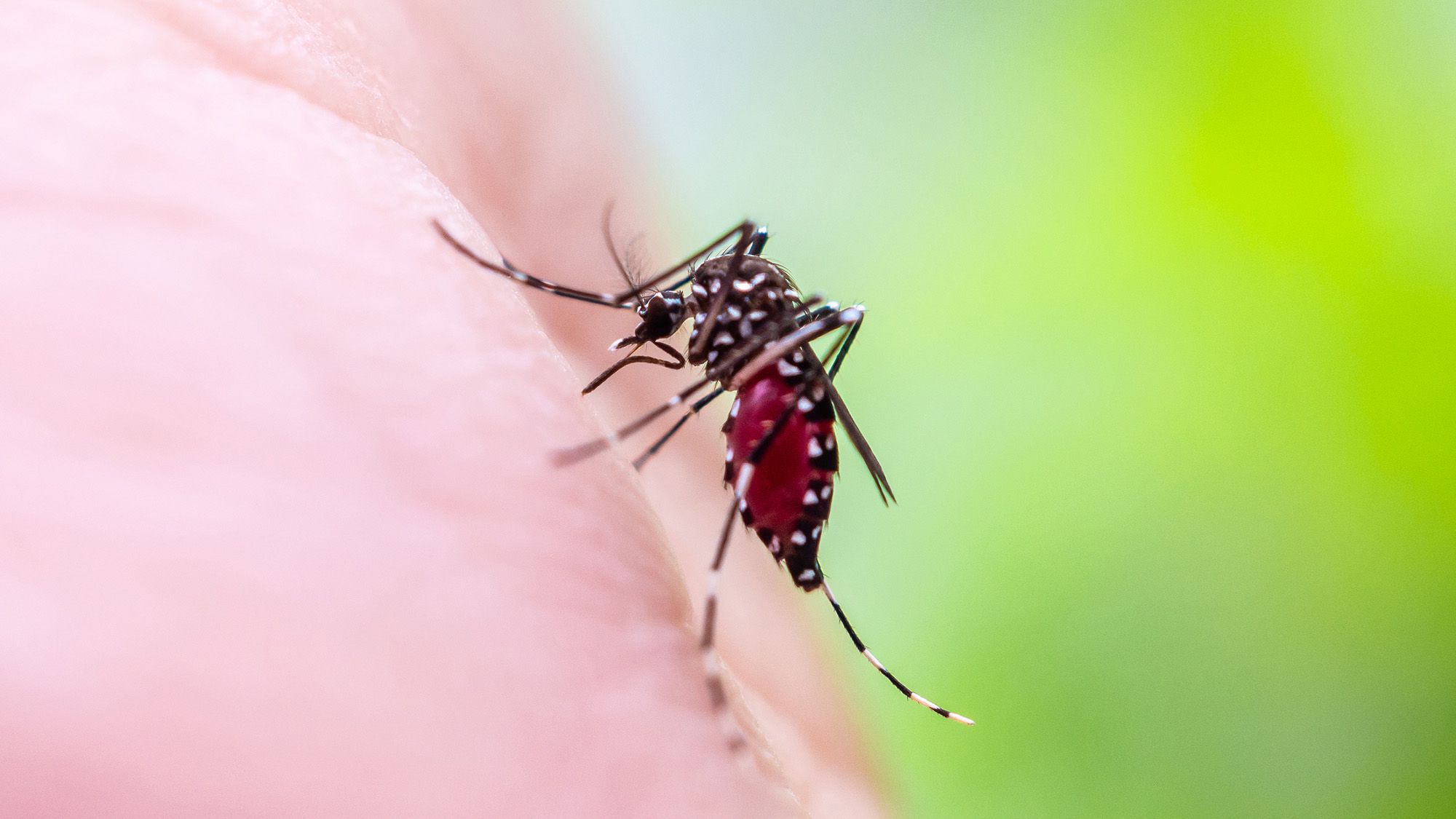
How Climate Change Could Expand the Global Risk of Yellow Fever
Yellow fever is reappearing in regions that have been free of the disease for decades. Researchers say climate change, deforestation, urban expansion and changing weather patterns may create more favorable conditions for the mosquitoes that transmit the yellow fever virus.
Historically, yellow fever caused devastating outbreaks in cities across the Americas, Europe and Africa. The introduction of an effective vaccine in 1937 dramatically reduced the disease’s range, but yellow fever remains a serious public health threat in parts of Africa and South America.
“Yellow fever is a disease with a high mortality rate,” said Dr. Joelle Rosser, an infectious disease researcher at Stanford University. “Environmental pressures that increase the likelihood of future yellow fever virus outbreaks are therefore very concerning.”
What is yellow fever?
Yellow fever is a mosquito-borne disease caused by the yellow fever virus, also known as Orthoflavivirus flavi. Initial symptoms may include fever, headache, muscle pain, nausea and vomiting.
Most people recover, but approximately 15% of infected individuals develop severe disease. Severe yellow fever can cause jaundice, bleeding, organ failure and death. The fatality rate among severe cases may range from 20% to 50%.
Nonhuman primates, including howler monkeys, can carry yellow fever virus. Mosquitoes become infected when they bite an infected animal and can later transmit the virus to humans.
Image credit: CDC
How yellow fever spreads
Many yellow fever infections result from spillover between nonhuman primates and people. In forested areas, mosquitoes become infected after biting an infected monkey. They can then transmit the virus to humans through subsequent bites.
Several mosquito species can spread yellow fever. In urban areas, Aedes aegypti is the primary vector and can fuel outbreaks in densely populated cities. Urban transmission becomes more likely when infected people introduce the virus into areas where capable mosquitoes are present.
Although an effective yellow fever vaccine is available, cases have increased in some regions over recent decades. The World Health Organization launched a global strategy in 2017 to eliminate yellow fever epidemics through vaccination, outbreak prevention and rapid response.
How rising temperatures affect yellow fever transmission
Climate change may increase the risk of yellow fever by influencing mosquito populations, virus replication and human exposure. Warmer temperatures can accelerate mosquito metabolism and shorten the virus’s incubation period inside the insect. This may allow an infected mosquito to become capable of transmitting the virus more quickly.
However, temperature is only one factor. Mosquito survival and disease transmission also depend on rainfall, humidity, vegetation, human movement, vaccination coverage and the availability of breeding sites.
Extreme weather, rainfall and drought
Changing weather patterns can affect yellow fever transmission in different ways. Heavy rainfall may create standing-water breeding sites for mosquitoes, while drought can push infected wildlife closer to towns and cities as animals search for water.
A 2017–2018 outbreak in Brazil, including cases around Belo Horizonte and São Paulo, was associated with complex environmental conditions involving drought, wildlife movement and mosquito activity. In dry conditions, mosquitoes may also seek blood meals more actively, increasing opportunities for transmission.
“Extreme weather in either direction could worsen transmission of mosquito-borne diseases.”
Dr. Joelle Rosser, infectious disease researcher at Stanford University
“Very wet or very dry weather can exacerbate the transmission of mosquito-borne diseases,” Rosser said.
Deforestation increases contact between people and wildlife
Deforestation and agricultural expansion are also changing the ecology of yellow fever. When people move into forested areas, they may come into closer contact with infected primates and the mosquitoes that transmit the virus.
“Humans are expanding the agricultural frontier and encroaching on forests where yellow fever mosquitoes live,” WHO biologist Gabriel Parra-Henao said. “As a result, more people are exposed to mosquito bites.”
The boundary where urban neighborhoods meet forests may be particularly important. These areas can bring together people, wildlife and mosquito species that otherwise have limited contact. Similar environmental changes have influenced the spread of other mosquito-borne infections, including malaria, dengue and Zika.
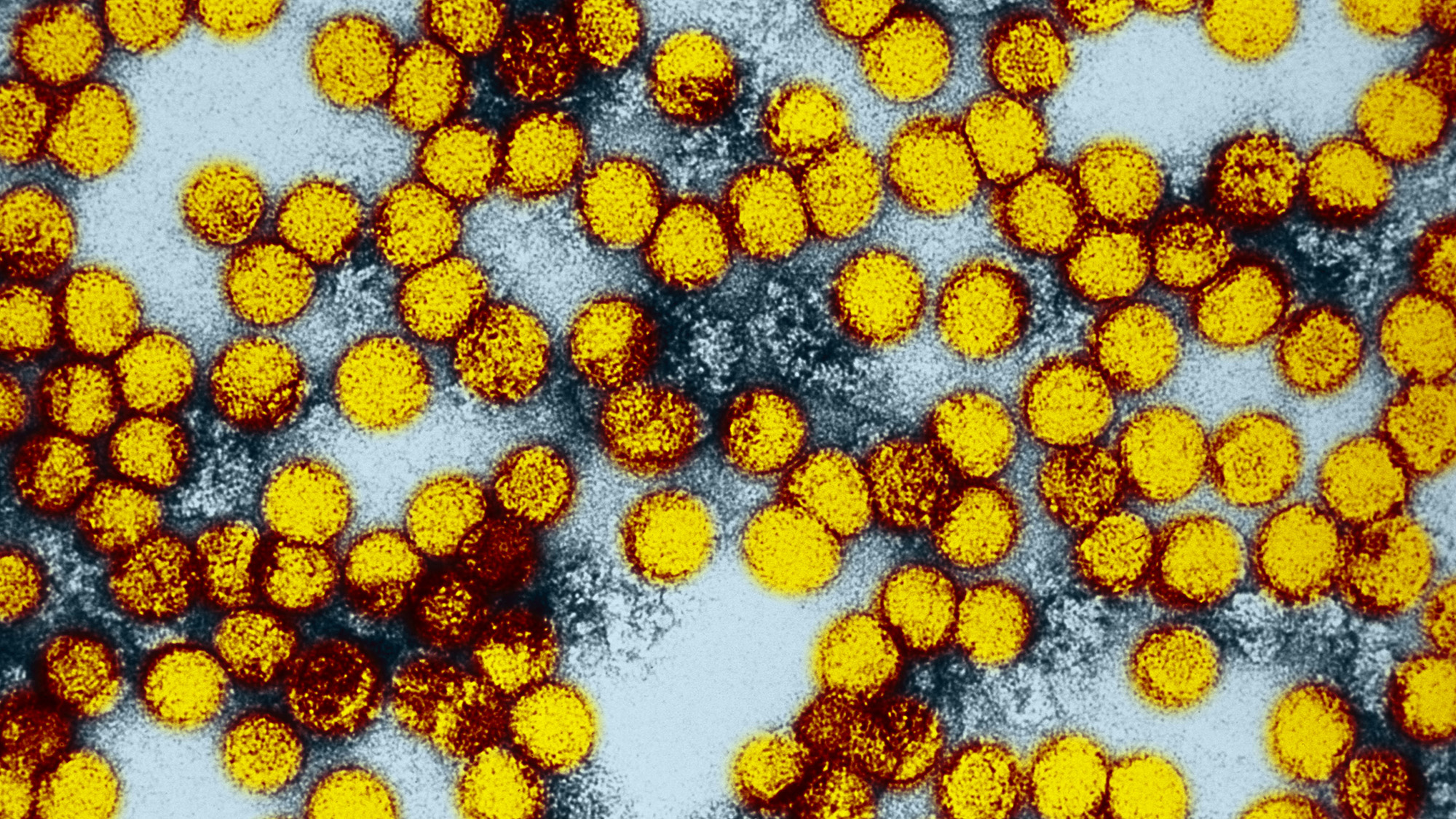
Yellow fever virus belongs to the Flaviviridae family, which also includes the viruses that cause dengue and Zika.
Image credit: BSIP/Getty Images
Could yellow fever return to the United States?
Climate change may allow yellow fever vectors to survive in new locations. One study estimated that, under severe climate change scenarios, nearly 1 billion people could eventually be exposed to mosquitoes capable of carrying yellow fever virus. Although the most extreme projections may not occur, mosquito ranges are still expected to shift as temperatures rise.
Aedes aegypti mosquitoes already live in parts of the United States, including Florida, Mississippi, Arizona and New Mexico. Warmer conditions could make it easier for these mosquitoes to survive farther north, potentially reaching areas such as Philadelphia, New York and Chicago during parts of the year.
That does not mean widespread yellow fever transmission is inevitable. The virus is not currently established in U.S. mosquito populations, and domestic outbreaks are extremely rare. Historically, vaccination campaigns, mosquito-control programs and improvements in sanitation helped eliminate yellow fever from the United States.
One possible route for yellow fever to reappear would be through an infected traveler returning from a region where the virus is endemic. A local mosquito could bite that person and then transmit the virus to others. Sustained community transmission would require infected people, suitable mosquitoes and conditions that allow the virus to circulate.
“I don’t think many people are aware that there is still an ongoing yellow fever epidemic.”
Dr. Seth Judson, infectious disease physician-scientist at UCLA
Experts say a U.S. outbreak would not necessarily become catastrophic. Access to medical care, vaccines, public health surveillance, mosquito control, reliable water systems and rapid outbreak response could help limit transmission. Nevertheless, expanding mosquito ranges and increasing international travel make preparedness important.
How communities can reduce yellow fever risk
Public health experts emphasize the importance of monitoring mosquito populations, tracking infections in people and wildlife, and maintaining strong vaccination programs. Protecting forests can also reduce contact between humans, primates and disease-carrying mosquitoes.
People traveling to areas where yellow fever is endemic should check current vaccination recommendations and use mosquito-bite prevention measures, such as insect repellent, long sleeves, window screens and air conditioning where available.
Better surveillance can help health authorities identify outbreaks early. Mapping areas at risk may also need to be updated as climate conditions, mosquito habitats and patterns of human development change.
Yellow fever is often viewed as a historic disease, but outbreaks continue today. Climate change alone will not determine where yellow fever spreads, yet warmer temperatures, extreme weather, deforestation and urban growth could increase the opportunities for transmission.
This article is for informational purposes only and does not provide medical advice.
Source: www.livescience.com