


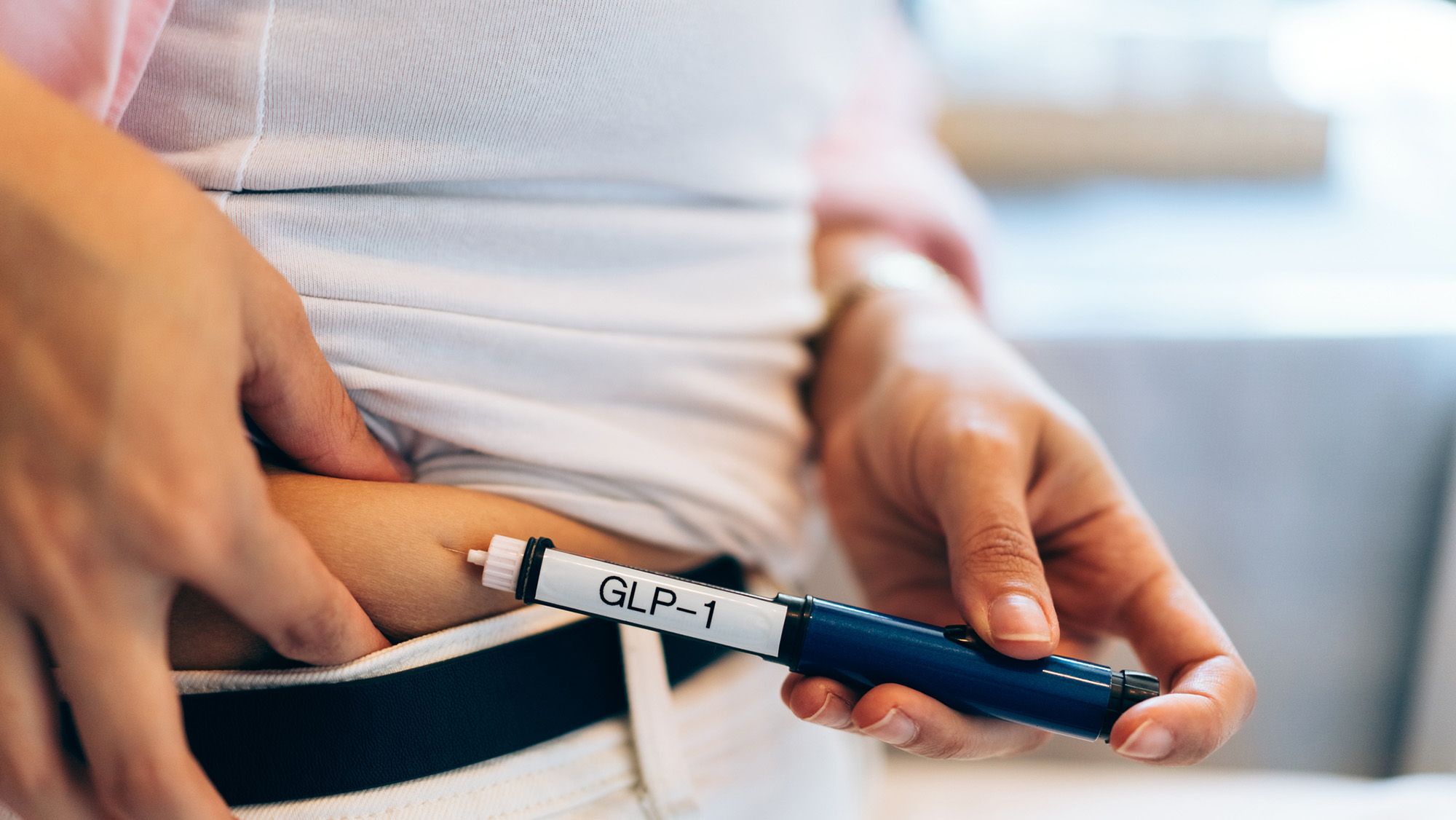
In the lead-up to and following the 2026 American Society of Clinical Oncology Annual Meeting, my phone buzzed incessantly with alerts like this: GLP-1 drugs and cancer. Headlines flooded the media, with claims spanning from NPR and the Washington Post to Substack and social media, all suggesting that Ozempic might reduce cancer risk.
Behind these headlines lies an emerging narrative backed by a surge of research involving millions of patients. My team and I, comprised of physicians and clinical epidemiologists, design and interpret these studies that examine the efficacy of widely used drugs.
The excitement surrounding the concept that GLP-1 drugs could prevent cancer far exceeds the existing evidence. While this enthusiasm isn’t without merit, concrete profits from this idea remain elusive.
Cancer research is complex, as it isn’t a singular disease. There are over a hundred types, each presenting unique biological and risk factors, such as breast cancer, lung cancer, and blood cancer.
The effects of a specific drug on cancer risk can vary significantly. In a population of 100 people, some may be at increased risk, while others are at a lower risk, and many will remain unchanged.
Early Cancer Concerns
Initially, research raised red flags about the potential of GLP-1 drugs to increase cancer risk, particularly thyroid cancer. In rodent studies, Ozempic showed a tendency to cause thyroid C-cell tumors, prompting U.S. regulators to implement a black box warning. In June 2026, it was advised that those with personal or familial histories of related conditions refrain from using this medication.
Get the world’s most fascinating discoveries delivered straight to your inbox.
However, rodent results don’t directly translate to humans. Human thyroid C cells are less sensitive to GLP-1 drugs due to having fewer GLP-1 receptors compared to rodent cells. Long-term studies in primates failed to replicate the abnormal thyroid cell growth observed in rodents.
A 2025 analysis of data from 93 clinical trials found no definitive link between certain GLP-1 drugs and thyroid cancer. European regulators are also scheduled to reach a conclusion on this matter after reviewing GLP-1 research.
Pancreatic cancer was another area of concern. Research revealed no consistent increase in risk, based on an evaluation of 62 studies conducted in 2025.
While a sense of security exists, it may prove temporary. These drugs are relatively new; cancer can take years to manifest.
The Revolutionary Shift in Cancer Treatment
GLP-1 drugs, previously criticized for potential cancer risks, are now under exploration as medications that may prevent or treat cancer.
A 2024 study involving over 1.6 million individuals with type 2 diabetes indicated a low incidence of 10 out of 13 obesity-related cancers in patients using GLP-1 drugs compared to insulin.
In a 2025 study of around 87,000 adults, the overall cancer incidence for those initiating GLP-1 drugs was found to be about 17% lower, particularly evident in endometrial and ovarian cancers, as well as a brain tumor known as meningioma. Notably, patients on GLP-1 drugs exhibited a 38% increased risk of kidney cancer, necessitating further research.
A 2026 study involving over 110,000 women who underwent breast imaging showed a 30% reduction in breast cancer risk among users of GLP-1 drugs.
Researchers are also examining how GLP-1 drugs influence cancer survival rates. A 2024 study on more than 6,800 colon cancer patients revealed that about 16% of the 103 patients taking GLP-1 drugs died within five years, compared to 37% among non-users. At the 2026 American Society of Clinical Oncology, it was reported that GLP-1 drug users had a 34% lower risk of death across six cancer types.
Interpreting Evidence: Key Misconceptions
While intriguing, several features of the research surrounding GLP-1 drugs and cancer risk can be misleading. First is the healthy user bias; individuals starting GLP-1 drugs tend to be healthier and wealthier than non-users. Those with insurance, regular medical check-ups, and financial stability are more likely to initiate treatment.
Removing healthy user bias is particularly challenging within observational studies, which compare actual treatment recipients rather than randomly assigning drugs for analysis. The advantages allowing individuals to receive GLP-1 prescriptions may inadvertently lower their cancer risk independently of the drug.
The second aspect is the selection of comparative drugs. The drugs against which you measure efficacy can significantly impact results. A 2024 study showed that GLP-1 users had a notably lower cancer risk compared to insulin users, but contrasting GLP-1 users with those on metformin revealed no significant drop in cancer risk.
Insulin is typically reserved for patients when diabetes has advanced and presents higher cancer risk factors. As a result, drugs can appear protective when measured against a high-risk group, rather than the GLP-1 itself being the beneficial factor.
Finally, timing presents an intriguing aspect. Cancer develops over decades, yet most GLP-1 studies follow individuals for only a few years. Thus, while immediate benefits from GLP-1 therapies may seem apparent, true prevention typically manifests gradually, as fewer tumors develop over time.
While a rapid reduction in perceived cancer risk occurs with GLP-1 treatment initiation, it might reflect a pre-existing low-risk population rather than a quick victory for the drug.
Moreover, much of this research emerges from high-income nations, despite the global proliferation of these medications and the rising cancer burden growing disproportionately in low-income areas. Conclusions regarding GLP-1’s cancer risk reduction are largely drawn from limited data sources.
Insights from Randomized Trials
The best method to mitigate these bias issues is through a randomized trial, which ensures comparable groups from the outset.
Current clinical trials tell a more subdued narrative than sensational headlines suggest. Two meta-analyses from 2025, pooling data from numerous studies—one covering 50 trials and another covering 48—found little evidence either for or against cancer risk associated with GLP-1 drugs.

Various GLP-1 brands are available on the market.
(Image credit: Iuliia Burmistrova, Getty Images)
These findings indicate that meta-analyses tend to be more reliable than observational studies due to the greater statistical power derived from larger datasets. However, they inherit the limitations of the studies they encapsulate, especially the 2025 studies with short follow-ups and insufficient cancer cases for robust conclusions.
Rigorous randomized clinical trials that assess the impact of GLP-1 drugs on cancer risk must involve thousands of participants and span several years. Without such evidence, we can only speculate that GLP-1 drugs may offer cancer risk reduction.
Final Thoughts
In conclusion, current evidence is reassuring: GLP-1 drugs don’t appear to heighten overall cancer risk. Nevertheless, claims that they actively prevent cancer or enhance survival rates remain unsubstantiated.
If GLP-1 does impact cancer risk, the mechanisms behind it are yet to be understood. Factors such as weight loss, broad improvement in metabolic functions, or potential direct effects on inflammation and the immune system could play roles.
It’s still early in the research timeline. These medications are significantly younger than the cancers they are purported to prevent.
This editorial is republished from The Conversation under a Creative Commons License. For further reading, please refer to the original article.
Source: www.livescience.com