


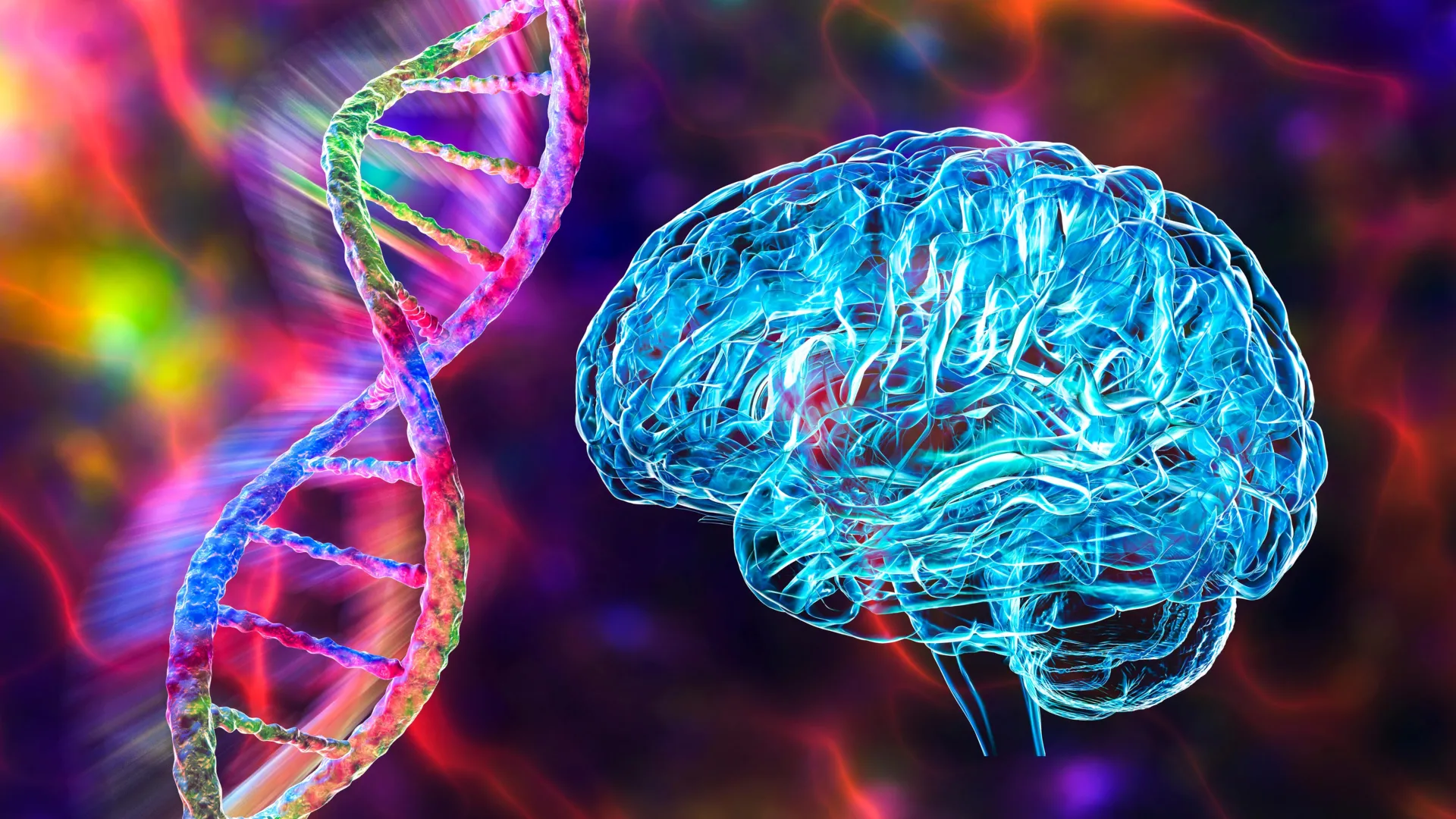
Microglia are the brain’s most abundant immune cells, protecting neural tissue from harmful invaders, clearing damaged neurons, and supporting healthy brain development. Researchers at Columbia University’s Zuckerman Institute have discovered that human microglia, like human neurons, mature far more slowly than comparable cells in other animals. This delayed development may help human microglia shape the brain in ways that support advanced cognitive abilities.
“This slow development may allow human microglia to influence the human brain in ways that support powerful cognitive abilities,” said Dr. Carlos Díaz Salazar, lead author of the study. The research was conducted in the laboratory of Dr. Frank Pollieux.
Human-Specific Genes May Play Unexpected Roles
For more than 15 years, the Pollieux laboratory has studied SRGAP2, one of dozens of genes that have been uniquely duplicated in humans. The team’s broader goal is to identify the biological features that distinguish the human brain from the brains of other animals.
Previous research by Dr. Pollieux found that a uniquely human copy of SRGAP2 increases the number of synapses, or connections, formed by neurons while significantly slowing the maturation of those synapses. Both characteristics are unusual among mammals. Together, they may help create a denser and more adaptable network of neural connections, potentially improving the brain’s ability to process and store information.
In the new study, Dr. Díaz Salazar made an unexpected discovery: the human-specific copy of SRGAP2 was nearly 10 times more active in microglia than in neurons.
“So the question was, ‘Why on earth is this gene so active in microglia?’” recalled Dr. Pollieux, principal investigator at the Zuckerman Institute.
Microglia Help Shape Developing Brain Circuits
Over the past two decades, scientists have learned that microglia do more than fight infections and repair brain damage. These immune cells account for approximately 5% to 10% of the cells in the brain and also help organize developing neural circuits.
During brain development, microglia help determine which neuronal synapses are preserved and which are eliminated. They can also make synapses more or less responsive, fine-tuning communication throughout the brain’s neural networks.
Experiments using mouse and human cells showed that SRGAP2 dramatically slows the development of human microglia. Human microglia may take approximately four to eight years to mature, while mouse microglia reach maturity in about three weeks.
“This gene helps control the developmental tempo of neurons, and evolution also selected it to regulate microglial development. Because microglia are essential for neuronal development, this may help keep the two cell types synchronized,” said Dr. Díaz Salazar, now a researcher at the Medical Research Institute of Del Mar Hospital in Barcelona.
Why Does the Human Brain Take So Long to Mature?
Compared with the brains of other mammals, the human brain takes an unusually long time to develop. Scientists refer to this extended developmental timeline as neoteny, a process believed to contribute to the emergence of advanced human cognitive abilities.
The new findings suggest that SRGAP2 may help coordinate this slower developmental pace across multiple brain cell types, including neurons and microglia. Researchers are now working to determine how this gene promotes neoteny in these cells and other regions of the brain.
“We want to understand all of the elements that help build the human brain and determine what makes humans unique from an evolutionary perspective,” said Dr. Pollieux. “Scientists have recently discovered that microglia are involved in neurodevelopmental and neurodegenerative disorders. This finding brings us one step closer to understanding why human microglia are special and how they may contribute to brain diseases.”
Source: www.sciencedaily.com