


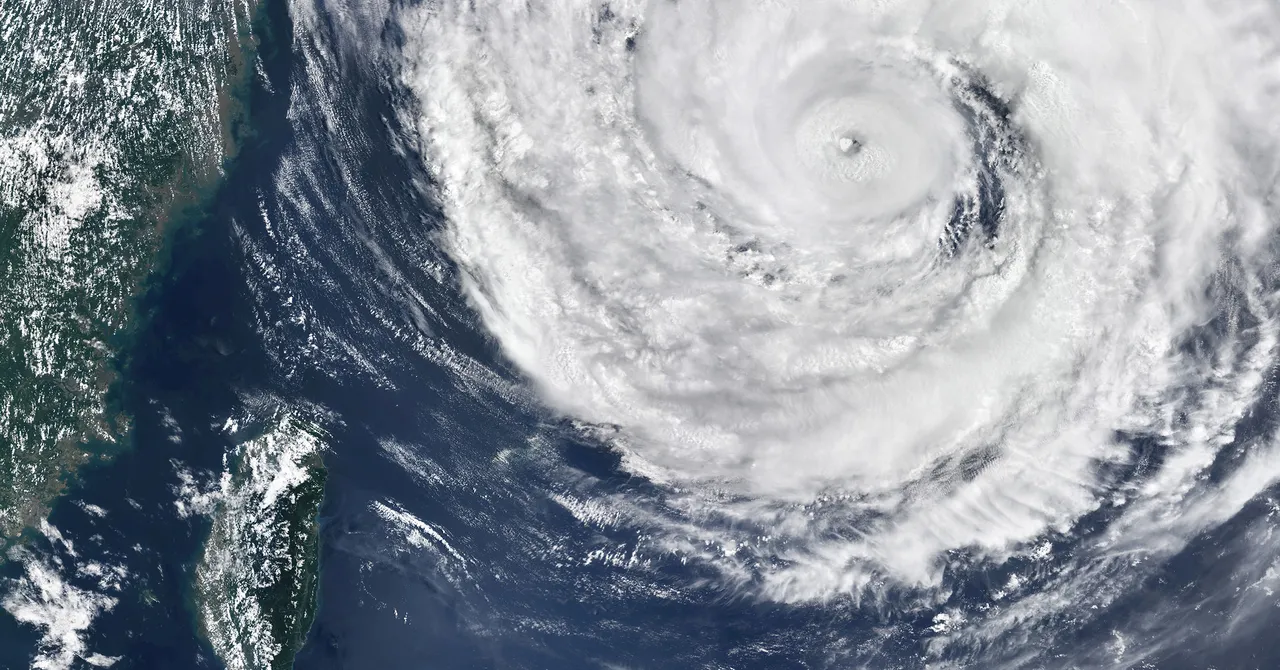
Super El Niño forecast: The World Meteorological Organization (WMO) has issued its most confident El Niño outlook on record, warning that this year’s unusually powerful event could intensify global heat and extreme weather.
In an update released early Thursday, the WMO forecast an “almost 100% probability” that El Niño conditions will continue through February. The unusually strong prediction from the United Nations’ weather and climate agency underscores the historic scale of this developing Super El Niño.
“This is the first time that WMO’s El Niño/La Niña update has been so clear,” the agency said, explaining that its confidence reflects “the strong consensus within WMO’s broader network.”
El Niño is a natural climate pattern caused by warmer-than-normal ocean temperatures in the eastern tropical Pacific. The phenomenon can disrupt weather patterns worldwide, contributing to heat waves, drought, heavy rainfall and other forms of extreme weather. Scientists have warned since the start of the year that a particularly strong El Niño was possible. Current forecasts suggest this event could become one of the strongest on record, with impacts expected to grow in the coming months.
“El Niño is becoming supersized before our eyes,” United Nations Secretary-General António Guterres said in a statement. “The science is in no doubt: Earth is in uncharted waters, and its waters are heating. Sea surface temperatures are rising, temperatures continue to rise, and the world is in the extreme weather zone.”
Beyond influencing regional weather, El Niño releases additional heat into the atmosphere. That process typically increases the average global temperature by about 0.1 to 0.2 degrees Celsius (0.2 to 0.4 degrees Fahrenheit). This year’s exceptionally intense El Niño could provide an even larger short-term boost, potentially making this year the hottest on record. The following year could be hotter still because the added heat takes time to influence the global climate system.
This additional warming, combined with human-caused climate change, has raised concerns among scientists and world leaders. The United Nations warned in another report published this week that global temperatures are likely to exceed 1.5°C in the coming years.
Daniel Swain, a climate scientist at the University of California’s College of Agriculture and Natural Resources, said the strength of this El Niño could make its effects difficult to predict. “The impact will be so large that I’m not sure we fully understand it,” Swain said. He cautioned against making precise forecasts for the next 12 months, noting that powerful El Niño events can produce unexpected extreme weather. However, he said the overall impact will almost certainly be significant.
“This is probably one of the largest, if not the largest, climate change events, other than long-term warming, that anyone alive is likely to experience,” Swain said. “This is a huge deal, and I think we’re definitely going to see dramatic results from this.”
Although El Niño may take several more months to reach peak strength, its effects are already being reported around the world. The United States experienced its hottest summer on record, with El Niño likely contributing to the extreme heat. Drought conditions are also affecting regions that typically receive more rainfall during El Niño events. In Sudan, falling Nile River levels are making conditions worse. Puerto Rico, already facing a prolonged hunger crisis, has introduced water rationing amid dry conditions and aging infrastructure. Warmer-than-normal Pacific waters are also disrupting fisheries in the eastern Pacific Ocean.
“There is now a competition between increasing risks and our commitment to take action on climate change and protect people,” Guterres said. “We have to win that race.”
Source: www.wired.com