


Cemetery Discoveries: Plague DNA Found in Ancient Burials
Vladimir Bazarisky
Ancient DNA evidence from hunter-gatherers buried near Lake Baikal in modern Siberia reveals a catastrophic plague outbreak occurred around 5,500 years ago. This finding challenges the long-standing belief that major disease outbreaks coincided with the advent of agriculture during the Neolithic Revolution.
“Before the Neolithic Revolution, we didn’t expect significant disease outbreaks affecting whole communities,” says Ruairidh MacLeod from Oxford University. “This evidence signals a devastating epidemic affecting the entire Lake Baikal hunter-gatherer community, indicative of what we currently confront.”
Plague bacterium has been implicated in significant historical pandemics, including the Plague of Justinian (541 AD), the Black Death (1346), and the third plague pandemic (beginning in 1855), collectively causing over 15 million deaths worldwide.
While the pneumonic and septicemic forms of plague bacterium can infect lungs and blood, bubonic plague, transmitted through flea bites, is most prevalent. The growth of ancient DNA sequencing techniques has unveiled the presence of plague traces in the remains of people interred centuries ago, highlighting the disease’s rural persistence for over 5,000 years in regions like Sweden.
This research suggests that plague might have contributed to the Neolithic decline, but initial studies noted that early forms of plague bacterium lacked vital genes for flea transmission.
In infected fleas, proteins encoded by the ymt gene obstruct and deplete the flea’s intestines, permitting the bacteria to accumulate near their mouths. “This results in fleas desperately seeking out blood meals,” notes McLeod.
It’s theorized that plague bacterium first lacked these genes, postponing the onset of widespread epidemics until its acquisition. Remarkably, MacLeod’s team discovered the bacteria in 18 out of 42 hunter-gatherer remains from four archaeological sites around Lake Baikal.
“We now have compelling evidence that strains of plague from this ancient period were indeed lethal,” McLeod affirmed.
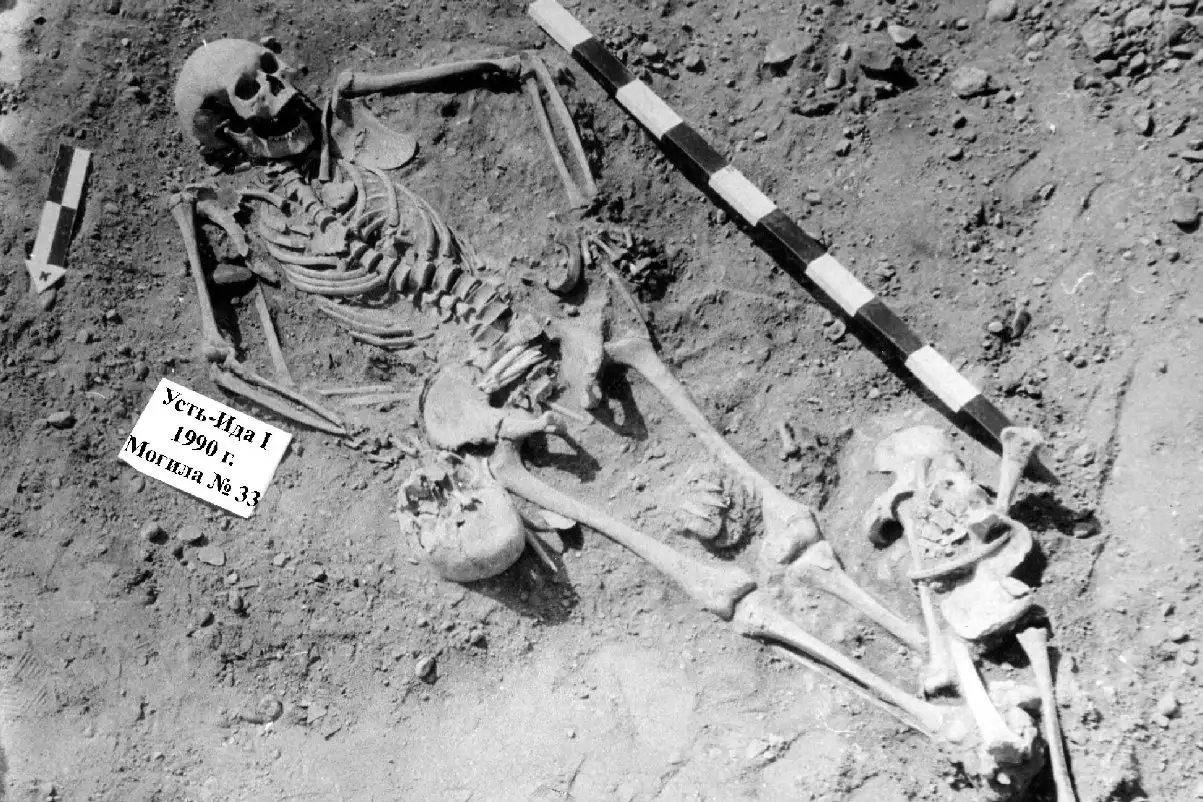
Evidence points to two distinct outbreaks, the initial one commencing roughly 5,500 years ago. “Burials indicate multiple individuals, including siblings, interred simultaneously, suggesting a rapid death toll,” McLeod explained.

Skull of a Young Plague Victim Discovered During Excavations
Angela Lieverse
Many of the plague victims unearthed were children and adolescents. The unusually high mortality rate among these age groups puzzled researchers since their original excavation in the 1980s, yet aligns with historical data showing children suffered more from plague infections.
Evidence suggests some individuals survived the plague and received traditional funerary rites, providing valuable insights into the community response during such crises. “It’s profound to witness how hunter-gatherer societies coped,” MacLeod remarked.
Hunter-gatherers, having regular contact with wildlife, were more vulnerable to zoonotic diseases that jumped from animals to humans. Researchers suspect marauders could be the source of infection, given their role as a reservoir for the disease. McLeod pointed out that people in the area remain at risk of infection through contact with marmots or the consumption of undercooked marmot meat.
Once one individual was infected, the disease likely spread swiftly through respiratory droplets.
According to genomic analyses, plague bacterium may have first emerged between 9800 and 5700 years ago, suggesting that these ancient outbreaks might have preceded previously understood timelines.
“This study is distinctive,” asserts Nicholas Raskovan from the Pasteur Institute. “It documents the earliest known outbreak of plague, the most easterly location, and highlights its impact on hunter-gatherers rather than agricultural societies.”
“This research confirms that non-agricultural societies were not immune to lethal infectious diseases, which could explain their role in the population declines witnessed during the later Neolithic,” he stated.
Topics:
Source: www.newscientist.com