


Why Sexism in Tech and Media Still Makes Me Angry
After 17 years in journalism, I’m confronting the gender dynamics that shaped my career—and asking what women in technology deserve next.
It took more than a few sessions for my new therapist to ask me a sensitive question.
“Katie … do you have a problem with men?”
I wanted to say no. After all, smart, kind, and wonderful people have long surrounded me at home and at work. The therapist asking the question was himself a man, and I didn’t hesitate to confide in him.
But if I were honest with myself, my therapist, and you? I have a problem with some men. And it started with WIRED.
A Career Shaped by Gender Dynamics
In 2009, I landed my first internship, reporting for WIRED.com. At the time, publications were obsessed with technology and the innovators and visionaries defining the future. For decades, WIRED enthusiastically reinforced the idea that the vast majority of those geniuses were men.
A 2010 analysis found that WIRED had published 70 covers featuring at least one man since its launch in 1993. During that same period, the magazine published four covers honoring the professional achievements of women. During my first stint at WIRED, I don’t remember working with a single female editor. But I do remember a male editor in his 40s asking, “Where did your feet go?” when I chose to wear pants to the office instead of a skirt.
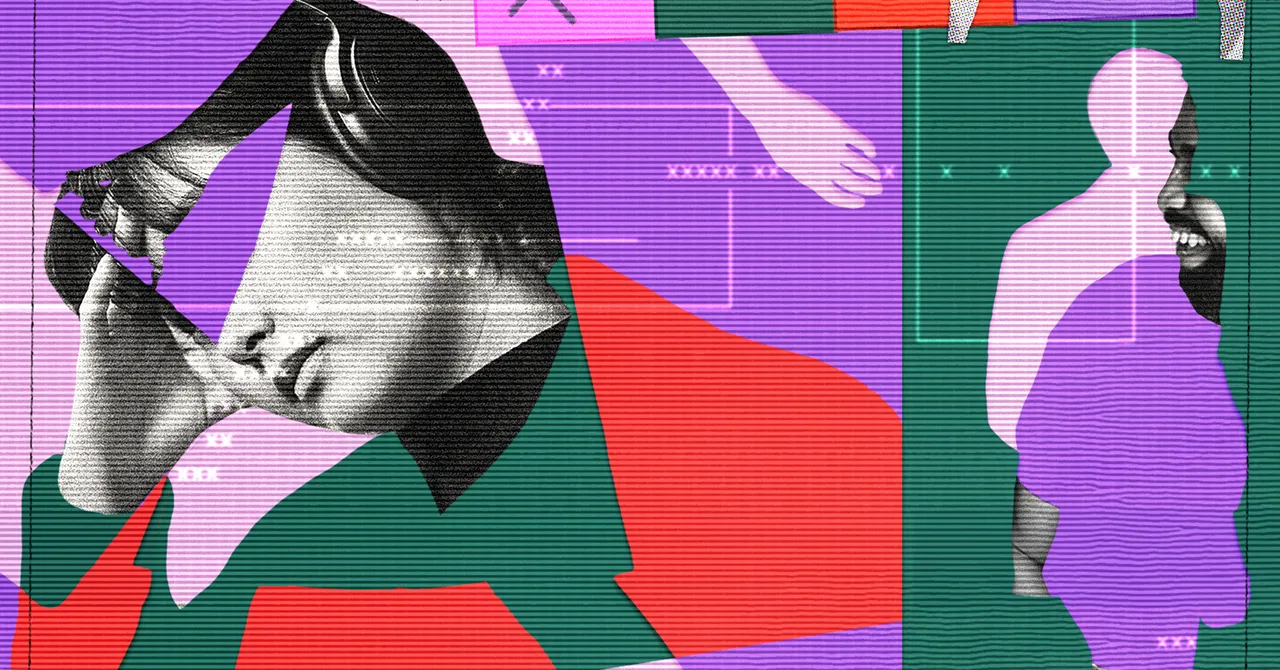
Photo illustration: WIRED staff; Vincent Tullo
That was only a preview. During my 17-year career, I had a boss tell me I was “too callous” to be a parent after I said I wanted children. I went to the bathroom holding back tears.
Years later, while I was visibly pregnant in another employer’s office, a boss joked that a woman as passionate as I was would probably keep her baby locked in the closet. One boss wanted to offer me a much lower salary than my male predecessor because I was younger and less prestigious. A highly regarded media company enrolled me in an in-house program for emerging female leaders that was run by two male executives.
Last year, I stood in a crowd of colleagues at a packed event and heard the leader of a prominent think tank—a man—credit the magazine’s success during my tenure to WIRED’s former editor in chief, also a man.
And let’s not forget that the cofounder of this publication suggested in an email after the 2024 election that he might commit “seppuku” because he disagreed with the editor’s letter I had written.
In 2023, The New York Times published an article about my appointment as WIRED’s global editorial director. The newspaper later issued a correction because it incorrectly stated that I was the first woman to run the magazine. In fact, Katrina Herron ran WIRED from 1997 to 2001.
Why Women Still Second-Guess Themselves at Work
Being an ambitious woman has become easier, but in my experience, it isn’t enough. Constant reminders of sexism and deeply ingrained gender dynamics have consequences.
I often wonder whether I’m being given certain jobs or opportunities for professional reasons—or for reasons that have nothing to do with my work. At other times, I wonder whether people are trying to meet some kind of quota. I second-guess my decisions. I apologize endlessly.
For years, I dressed as sloppily as possible. It felt easier to appear unprofessional than to risk attracting attention. To gain the respect given to a man in the workplace, I often felt I had to behave in more stereotypically masculine ways: be meaner, louder, and less empathetic.
I don’t like that. And I figured it out relatively easily. If white, straight women working in media and technology are dealing with this much, imagine the experience of a woman who is a person of color, gay, or transgender.
Why WIRED Women Matters Now
WIRED Women began as a joke at a weekly San Francisco happy hour. We laughed at the idea of turning a historically male-focused publication into a women’s magazine, complete with a flashy pink design and outrageous cover lines. It was an ironic way to highlight the dismal state of women’s progress in fields such as technology and science.
But we quickly found ourselves inspired, full of ideas, and ultimately pretty angry. Could it be done? More importantly, should we do it?
Addressing everything related to women in 2026 may seem regressive, too obvious, or even unnecessary at a time when many people—including many in the technology industry—are willing to dismiss gender as an issue that still needs to be confronted.
I disagree.
Women Deserve Better Heroes and Colleagues
After all, there is a convicted sex offender in the White House. Virtually all of the technology industry executives he hears from are men. Women certainly hold power in Silicon Valley, but too many still serve at the direction of the men above them.
When Mark Zuckerberg bemoans the loss of “masculine energy” in his workforce, Pete Hegseth says the military is too “effeminate,” and Elon Musk’s DOGE cuts affect Black female public servants more than any other group, it can feel as though women are being pushed out entirely.
It’s infuriating. The world deserves better heroes, and women deserve better colleagues. My daughter—who sleeps in a bed instead of a locked closet—shouldn’t have to be as furious as I am now that she is 40 years old.
My therapist, God bless him, came up with something.
Source: www.wired.com