


Modified Niclosamide Shows Potential as a Nonhormonal Endometriosis Treatment
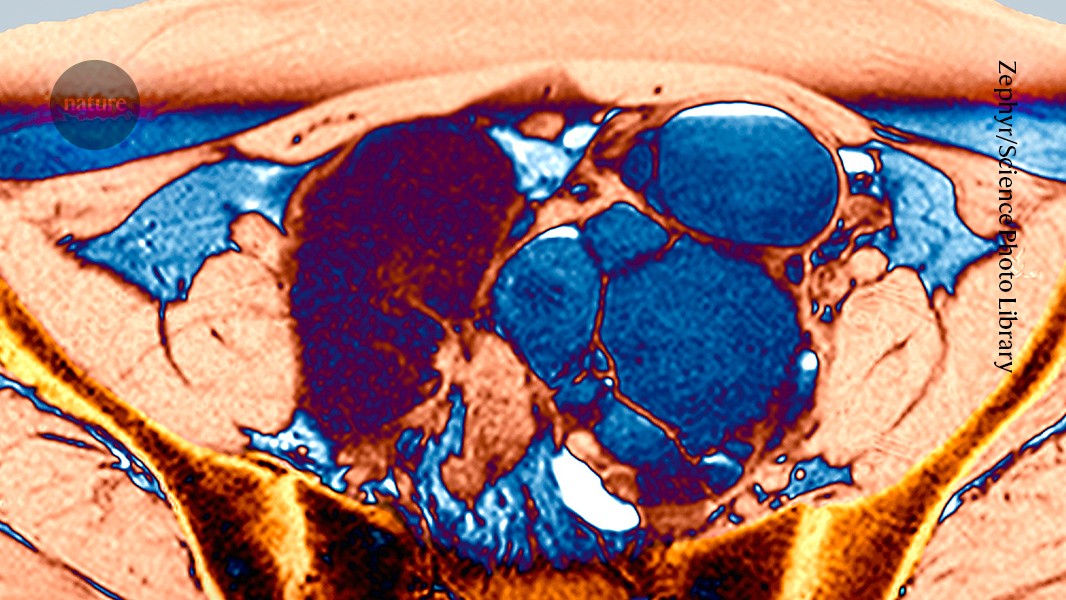
Endometriosis is a disease in which uterine cells form lesions on the outside of the uterus. It is known as a “missed disease” because its cause is unknown, diagnosis is often delayed, and treatment varies.
Credit: Zephyr/Science Photo Library
A new treatment for endometriosis, a painful chronic disease affecting around 190 million people, could be on the horizon.
Endometriosis occurs when cells from the lining of the uterus grow in other parts of the body, forming lesions outside the uterus. These lesions are usually treated with surgery, hormone therapy or a combination of both. However, current treatments can cause significant side effects and are often ineffective over the long term.
Researchers have now modified niclosamide, a drug used to treat parasitic infections such as tapeworm, to target cells involved in endometriosis. They tested the treatment in mice, with the findings published in Advanced Healthcare Materials1.
Co-author Kanako Hayashi, a reproductive biologist at Washington State University in Pullman, says the results could represent a “groundbreaking advance” in endometriosis treatment if they are replicated in humans.
Elise Courtois, a molecular biologist at the Jackson Laboratory in Farmington, Connecticut, describes the study as a “beautiful first step” towards nonsurgical, nonhormonal treatments.
Why current endometriosis treatments often fall short
Endometriosis can affect anyone born with a uterus and is most commonly diagnosed in girls and women from adolescence through menopause.
People with endometriosis often experience severe abdominal and pelvic pain, which commonly worsens during menstruation, as well as fertility problems. The condition is frequently underdiagnosed and undertreated because it can be definitively diagnosed only through surgery to identify lesions outside the uterus. The normalization of menstrual pain and historical gender disparities in health care also contribute to delayed diagnosis.
Existing treatments are not sufficient for many patients. Nearly half of people who undergo surgery to remove an endometriosis lesion, considered the gold-standard treatment, experience a recurrence within five years.
Hormone therapy can also have serious drawbacks. It can interfere with pregnancy, and side effects may include depression, hot flashes and osteoporosis.
How niclosamide could target endometriosis
Because of these limitations, researchers are searching for alternatives to surgery and hormone therapy. In 2016, Hayashi worked on a study showing that niclosamide’s anti-inflammatory effects helped weaken the growth of endometrial tissue transplanted into mice.2
Niclosamide has a major limitation, however: it has low solubility in water and is therefore poorly absorbed by the body. Effective treatment requires large amounts of the drug, which can cause nausea, loss of appetite and stomach cramps.
The U.S. Food and Drug Administration has approved niclosamide for use for only seven days at a time. That short-term approval makes the drug impractical, in its existing form, for treating chronic diseases such as endometriosis.
Source: www.nature.com