


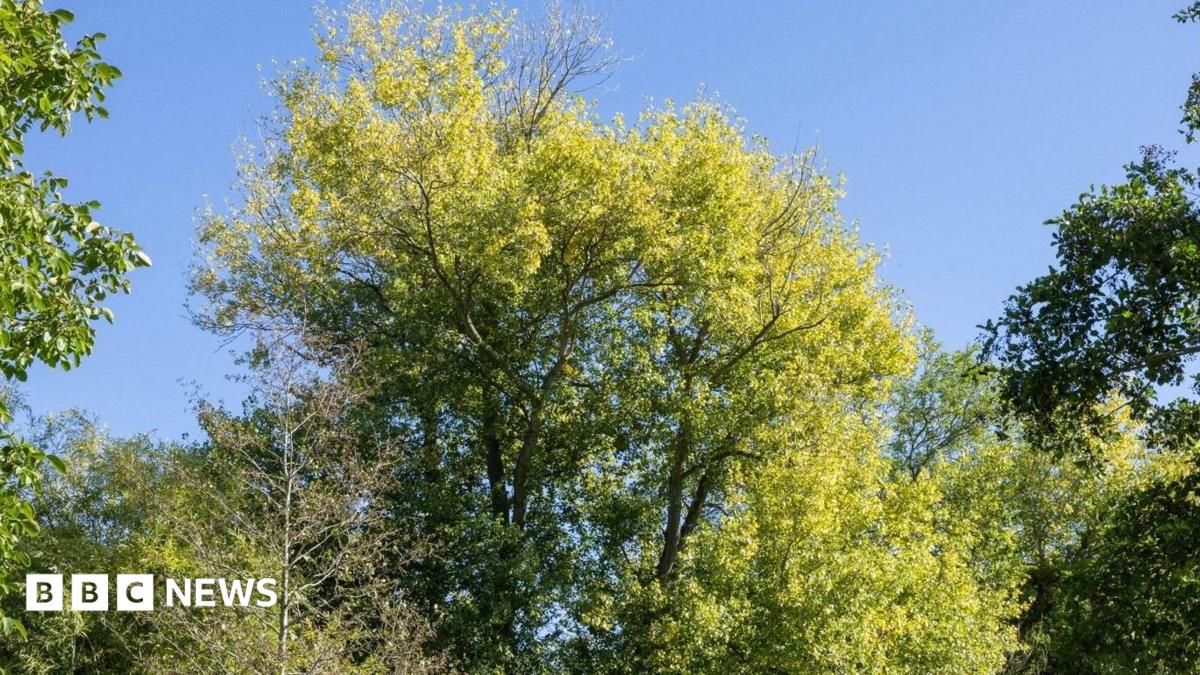
A conservation project in the Thames Valley is using DNA testing to help restore the black poplar, one of Britain’s rare native trees. The initiative aims to identify existing trees, propagate new cuttings and replant them along the River Thames and its floodplains, where decades of logging, land drainage and habitat loss have caused populations to decline.
Restoring a fragmented population
The From Swindon to Oxford: Regenerating the River Thames and its tributaries nature recovery program is working with local conservation groups to repopulate the River Thames and its floodplains with black poplars.
Katrina Bass of the Long Mead Foundation in Swindon, which is involved in the project, said the trees were “extraordinary survivors”. However, only 50 black poplars are currently recorded in Oxfordshire.
Bass described the black poplar as a “Lord of the Rings” tree, referring to its “big gnarled trunks”. She said the species also supports other wildlife, including the poplar wasp moth.
DNA analysis and new planting
The project received initial funding from West Oxfordshire District Council and Vale of Whitehorse Council. It is now seeking to raise £20,000 for DNA analysis of existing trees, the propagation of new cuttings and planting in suitable locations.
Oxfordshire County Council’s Local Nature Recovery Strategy has committed to matching fundraising efforts with up to £10,000. The Oxfordshire Environment Trust is also involved and works with community groups to fund local environmental projects.
Benjamin Haven-Taylor, the trust’s chief executive officer, said black poplars play an important role in fencing rivers and floodplains, holding back water and reducing flood risk.
He said the remaining population was “extremely fragmented” and added: “We need aid to recover.”
Source: www.bbc.co.uk