


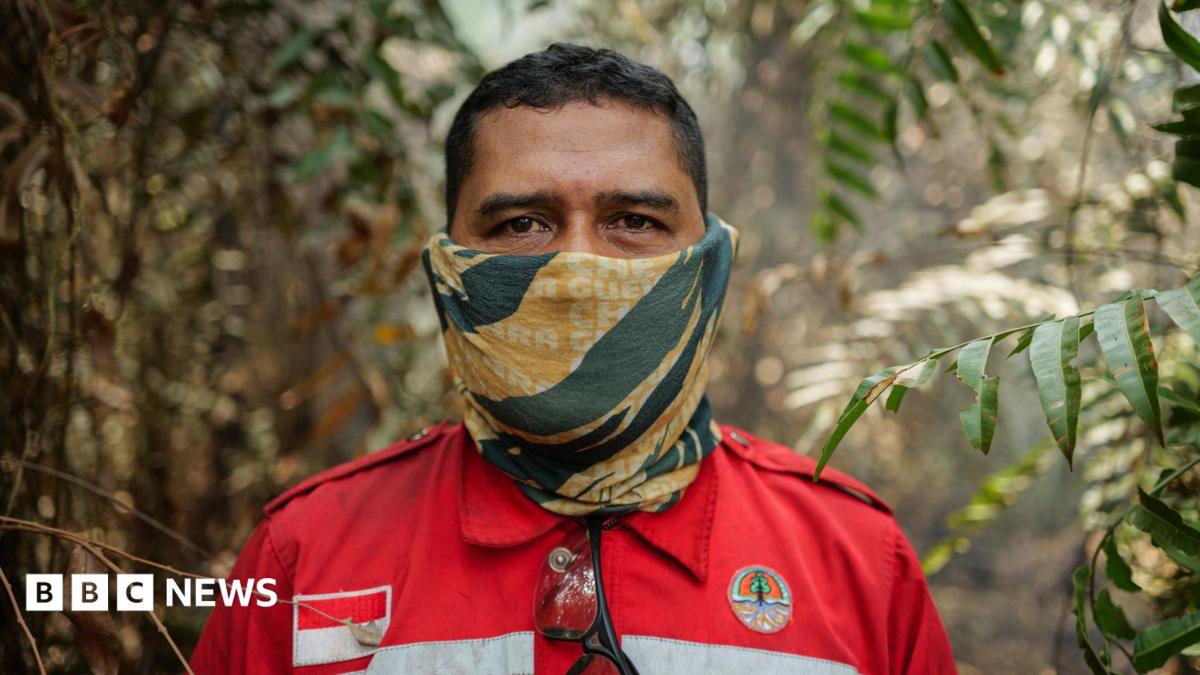
Indonesia is facing a severe wildfire disaster as thousands of fire hotspots spread across the country. Driven by a powerful “Super El Niño” and worsening drought conditions, the fires are intensifying Southeast Asia’s worst transboundary haze crisis in more than a decade.
The wildfires in Borneo are particularly alarming because they are burning through one of the world’s largest tropical peatland ecosystems. These peatlands are highly vulnerable to fire and play a vital role in storing carbon.
Under normal, waterlogged conditions, the forests and wetlands covering approximately 4.5 million hectares serve as a natural storehouse for ancient carbon accumulated over thousands of years.
When Indonesian peatlands catch fire, they can release millions of tonnes of carbon dioxide, carbon monoxide and methane into the atmosphere. This sudden surge of greenhouse gas emissions is often described as a “carbon bomb.”
“Peatlands are incredibly effective carbon stores because they decompose more slowly under water, allowing carbon to accumulate underground for thousands of years,” explains Dr Nisa Novita, a peatland researcher at Indonesian conservation organisation Yayasan Conservasi Alam Nusantara (YKAN).
“However, this also means that carbon can be released into the atmosphere extremely quickly when peatlands are drained, burned or damaged, turning them into a ‘carbon bomb.’”
“Indonesia’s tropical peatlands are among the most effective natural carbon stores in the world. The deeper the peat, the more carbon it contains. In Kalimantan, researchers have found peat deposits more than 20 metres deep.”
Very deep peatlands can contain more than 6,000 tonnes of carbon per hectare—roughly equivalent to the annual carbon dioxide emissions of 4,800 cars. When this peat burns, Dr Nisa warns, its fossilised carbon can be released into the atmosphere “very quickly,” worsening climate change and air pollution.
Source: www.bbc.co.uk