


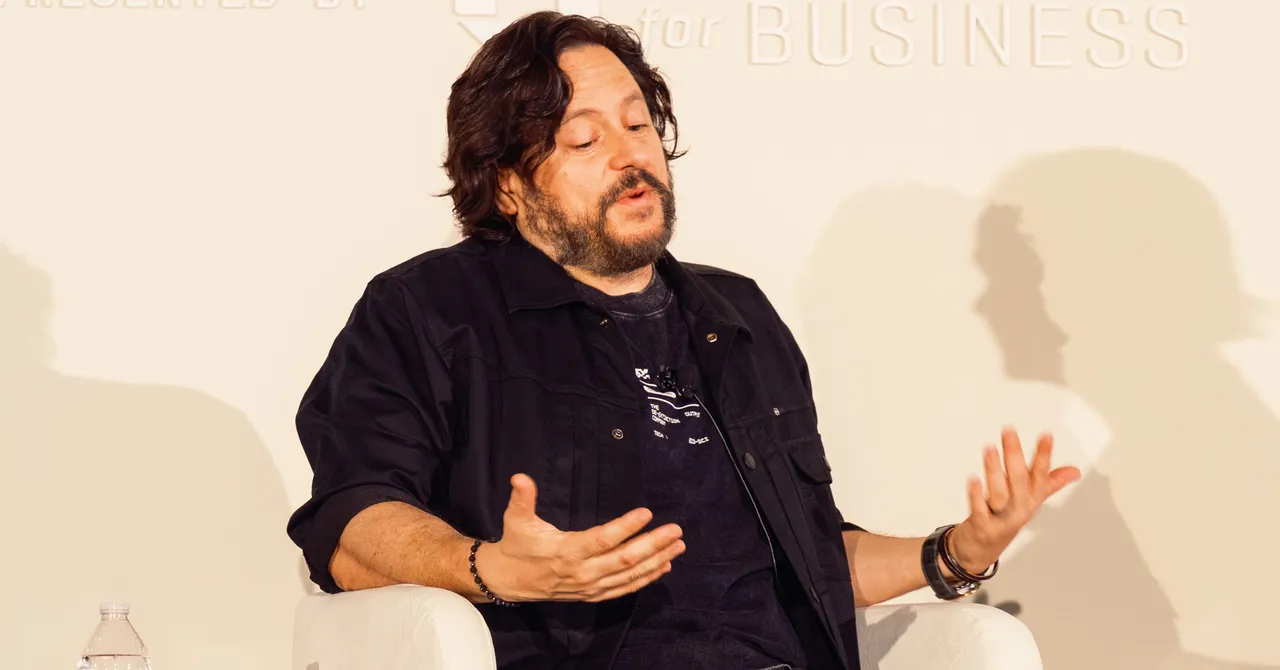
Colossal Biosciences says its work with the Trump administration is helping build genetic biobanks for endangered species, even as the company faces criticism over its de-extinction claims and conservation priorities. At the WIRED World Fair on Wednesday, CEO and co-founder Ben Lamm defended the company’s approach, arguing that climate change and habitat loss make collecting and preserving wildlife DNA increasingly urgent.
Colossal pitches technology and conservation to government
“They like technology, they like making money, they like saving money. And they really like winning exciting games,” Lamm said, describing the priorities he believes appeal to the Trump administration.
Lamm said Colossal persuaded a government that had not traditionally been supportive of land or wildlife protection to back efforts to collect DNA samples from endangered species. The company began working with the Trump administration on biobanks earlier this year.
Colossal has attracted significant attention for its claim that it will bring back the dire wolf. It has also used gene editing to create woolly rats as part of a broader effort to eventually produce a woolly mammoth.
Funding and new companies
Colossal raised $230 million in Series C funding last year at a valuation of $10.2 billion. The company is reportedly considering another funding round that would value it at between $20 billion and $30 billion, according to an Axios report earlier this year.
The startup has also spun out several companies, including one that uses microbes to break down plastic. Colossal holds a stake in Warhound, a startup Lamm developed with Anduril CEO Palmer Luckey. Warhound plans to create genetically enhanced dogs for the military, law enforcement agencies and first responders.
Lamm said the biobank project could be even more important than Colossal’s highly publicized de-extinction work. Climate change and habitat destruction are placing increasing pressure on wildlife, he said. He compared the approach to Warhound’s goal of reducing dependence on what he called European “puppy mills” that mass-produce working dogs.
Conservationists question Colossal’s claims
Conservationists have criticized Colossal for distracting attention from efforts to protect endangered species. They have also warned that promises to eliminate extinction in the future could make policymakers more willing to approve measures that put animals at risk today.
Criticism intensified after Colossal began working with the Trump administration on wildlife biobanks. Lamm defended the partnership, saying the worsening outlook for biodiversity made it impossible to spend four years “turning a blind eye to reality.”
Colossal has also been accused of overstating its scientific achievements. The genome the company created for its purported dire wolf is very similar to that of a gray wolf. Critics argue that the company’s announcements about bringing back extinct animals contain more marketing than biological substance.
When Colossal announced the dire wolf, Clemson University professor David Jackowski told WIRED that defining a species is “inherently subjective.”
Woolly mammoth timeline slips
Colossal now expects to miss its original 2028 deadline for creating a woolly mammoth. Lamm said the company has nevertheless made progress, including 130 edits to the woolly mammoth’s genes.
He said he would accept descriptions such as a gene-edited gray wolf for the company’s dire wolf project, or “hairy elephants” for its future woolly mammoths.
Despite Colossal’s series of high-profile announcements, Lamm acknowledged that the company had “underestimated” the difficulty of its gene-editing work. He said future developments would bring “moments of wonder and joy for the world.”
No megalodon project yet
One project that has not moved forward is the study of extinct marine predators such as megalodon. Lamm said Colossal has received substantial interest in Meg, but no project has materialized.
“The ocean is already scary,” he added.
Source: www.wired.com