


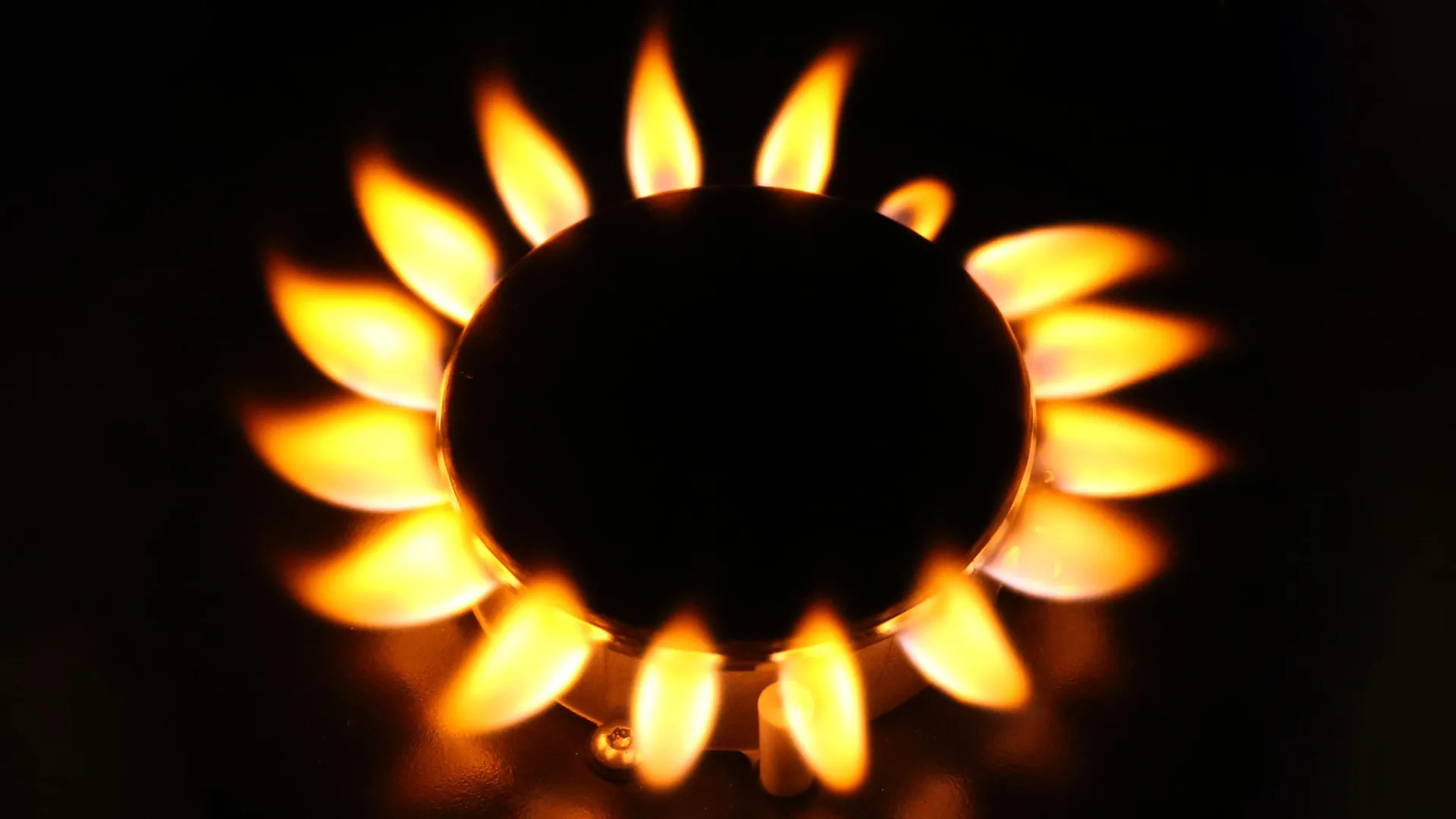
Hydrogen flames can change from bright orange to almost invisible even when a burner’s settings remain unchanged. Researchers at the University of Adelaide have found that naturally occurring sodium particles in the air—including salt carried inland from the ocean—are a major reason for this variation, a finding that could help engineers make hydrogen-powered stoves, ovens and other household appliances safer and more reliable.
Why hydrogen flames change color
The study, published in Next Energy, found that sodium carried through the air as tiny particles can strongly affect the appearance of a hydrogen flame. When sodium is present, the flame can produce a noticeable orange glow. As the sodium concentration falls, the flame becomes much harder to see even when the burner continues operating under identical conditions.
Principal investigator Professor Paul Medwell, from the University of Adelaide’s School of Electromechanical Engineering, said it was important to study hydrogen flames under normal environmental conditions if the fuel is to be used safely in homes.
“Hydrogen has great potential as part of a low-emissions energy future, and we need to understand how hydrogen behaves in the real world before people can use it with confidence,” Medwell said.
“Our research helps explain why hydrogen flames look different from day to day. That knowledge provides engineers with valuable information to develop home appliances and flame detection systems that operate reliably regardless of changing environmental conditions.”
To investigate the changes, the researchers combined a controlled indoor experiment with an outdoor study around Adelaide. They examined how hydrogen flames responded to atmospheric conditions, including weather patterns and changes in the air reaching the burners.
For two weeks, the team monitored light emitted by a hydrogen flame without changing the burner settings. Despite the consistent operating conditions, the sodium-related optical signal varied by more than 28 times between the lowest and highest recorded values.
Weather was an important factor. Air that had passed over the ocean generally contained more sodium and produced a stronger orange glow. When the sodium concentration was lower, the flame appeared much weaker.
Hydrogen flames are harder to see than natural gas flames
The researchers also compared hydrogen flames with those produced by traditional natural gas cooktops. They found that hydrogen flames emitted less visible light on average, even when atmospheric conditions favored a brighter flame.
Hydrogen combustion also produces faint blue and red light. However, the researchers found that these colors are easiest to detect in dark environments and are less useful as reliable visual indicators under typical household lighting.
Together, the findings show why it is unreliable to determine whether a hydrogen burner is operating based on its appearance alone. A flame that is clearly visible in some conditions can become very difficult to detect when the surrounding air changes.
Designing safer hydrogen appliances
Medwell stressed that the findings do not undermine hydrogen’s potential as an energy source. Instead, they show why appliances must be designed around the specific properties of the fuel.
“Different energy sources have different properties, and good engineering is about understanding those differences and designing for them,” he said.
“Rather than relying on a flame of a certain color, you can investigate other ways to check that your burner is working. Options include special ultraviolet or infrared flame detectors and temperature sensors.”
“Identifying the factors that influence flame visibility can help us develop hydrogen devices that are suitable for purpose in real homes and other everyday environments.”
Such detection systems could provide a more reliable way to confirm that hydrogen is burning, whether the flame appears orange, faintly blue or barely visible.
By identifying how environmental sodium affects flame visibility, the study gives engineers information they can use when designing hydrogen appliances for kitchens and other everyday settings. As interest in low-emission energy alternatives grows, that knowledge could help make hydrogen technology safer and more practical.
The project involved researchers from the University of Adelaide, the University of New South Wales and Gas Infrastructure Research Australia. It was supported through the Future Fuels Cooperative Research Center, with funding provided under the Australian Government’s Cooperative Research Centers Program.
The study was titled “The role of sodium on the visibility of hydrogen flames in the home environment” and was published in Next Energy.
In 2023, Australian Gas Infrastructure Group (AGIG) introduced Australia’s first 100% hydrogen-powered home in Victoria. The demonstration showed that household gas appliances could operate entirely on hydrogen, a development described as a “game changer”.
Source: www.sciencedaily.com