


The central unresolved question is who ordered a reduction in the performance of Ukraine’s StarShield assets. Available evidence points variously to Elon Musk, SpaceX, the Pentagon, and the White House. Musk has said that US authorities control access to StarShield while defending SpaceX’s right to restrict commercial Starlink services during wartime.
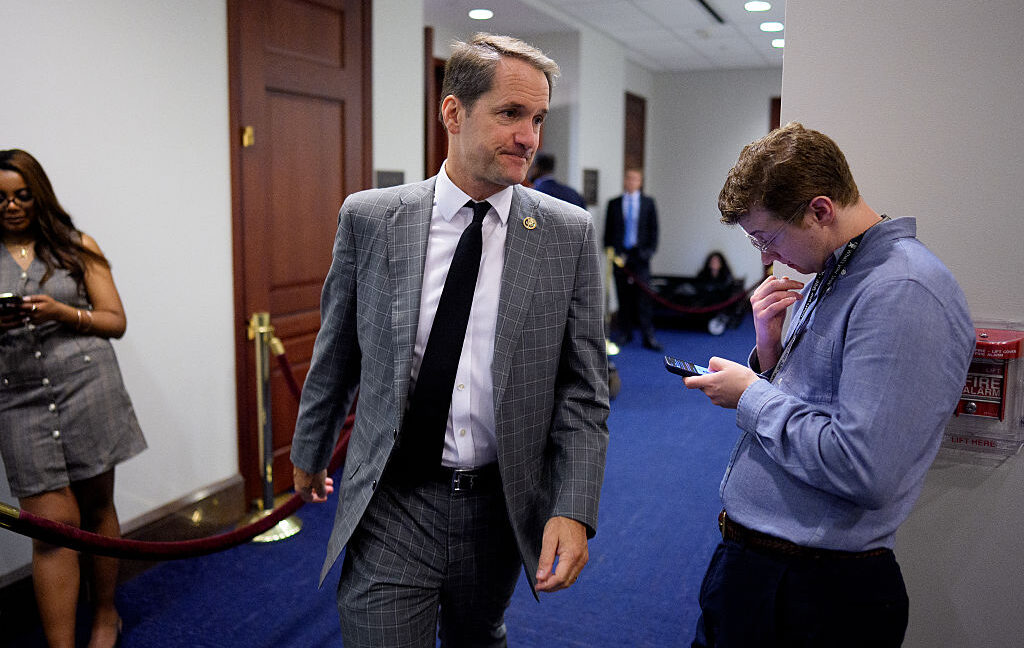
In a letter to Musk, Representative Himes asked SpaceX to clarify what happened in October 2026.
“My request to you is simple,” Himes wrote to Musk. “Please describe the changes made to StarShield services in October 2026, why those changes were made, and whether those changes were made unilaterally by SpaceX or at the direction of U.S. government officials.”
Congress may investigate and take action
Himes’s letter suggests that Congressional Democrats are prepared not only to investigate SpaceX’s restriction of service in Ukraine but also to pursue measures that could affect the company’s wider national security operations. Democrats are due to take control of the House and Senate in January after decisive victories in the midterm elections.
“Until my questions regarding StarShield services in Ukraine are answered satisfactorily, it is difficult for me to continue supporting the authorization of funding for the government-owned system developed by SpaceX,” Himes wrote.
Democrats, along with some Republicans who have expressed similar concerns, have several options available. These include requesting classified briefings and documents, as well as limiting spending by the Pentagon and other federal departments.
The US Space Force awarded SpaceX a $2.29 billion contract earlier this year to develop a space data network backbone intended to support the Golden Dome Missile Defense Initiative. That program, along with SpaceX’s work building intelligence satellites for the National Reconnaissance Office, could become a focus of Congressional oversight.
Severing US government ties with SpaceX over space-based data services and launches appears unlikely because the company currently provides capabilities that no other US company can match. However, Democrats appear serious about limiting Musk’s ability to influence geopolitical conflicts—an area traditionally controlled by governments rather than corporations.
Source: arstechnica.com