


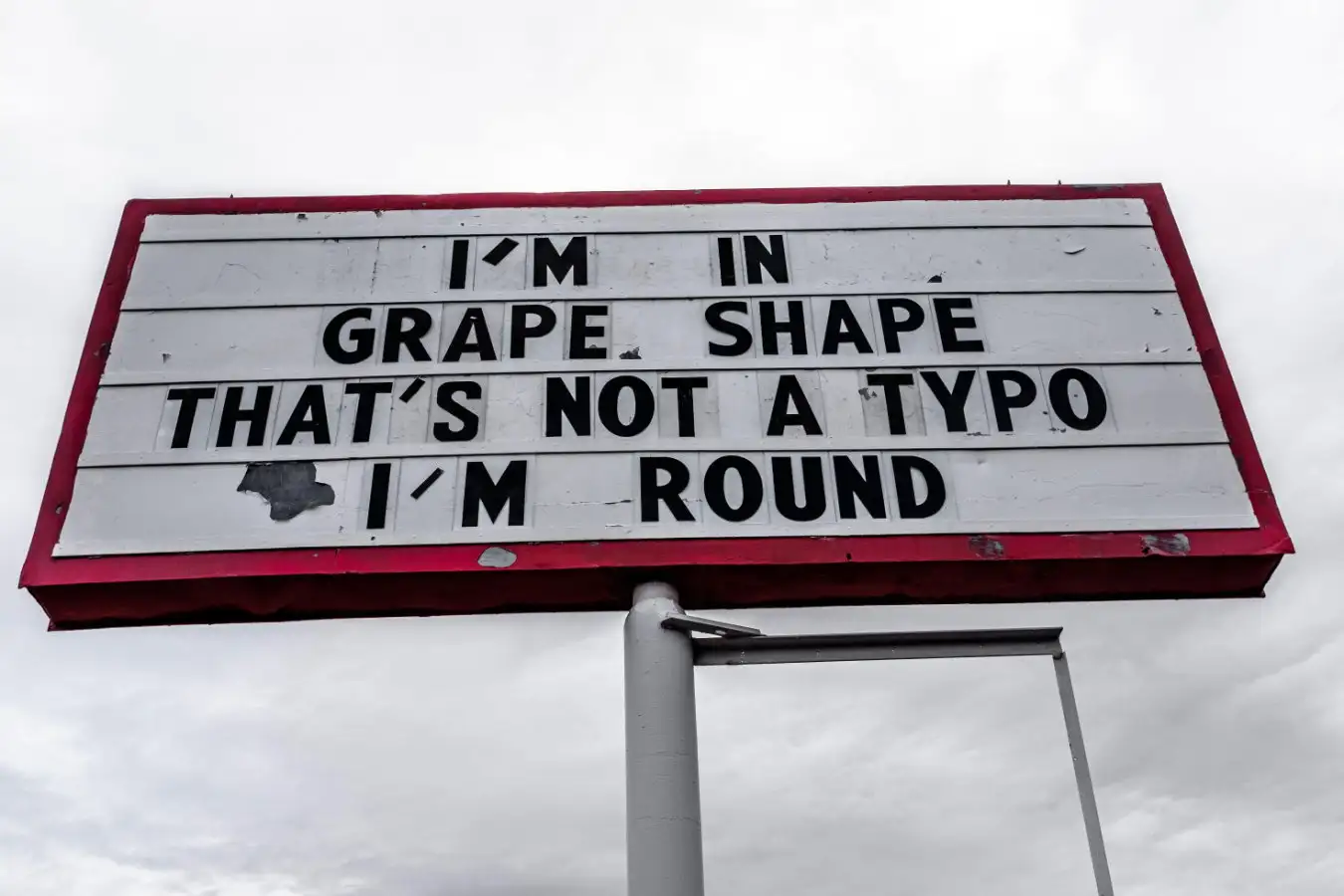

Typos indicate human involvement in writing…for now.
Marc de Simone/Alamy
In a recent conversation over coffee, a friend expressed frustration about feedback she received, stating, “They said it was good, but it felt like it was written by an AI.” Understanding her well, I realized that her credibility was scrutinized not because of poor writing but because the quality seemed too polished, lacking the imperfections often associated with human authorship.
The rapid evolution of artificial intelligence writing tools is reshaping perceptions of what constitutes good writing. In today’s digital environment, it’s crucial to convey that genuine human creativity drives the content, rather than anonymous, sophisticated algorithms. Ironically, one effective way to demonstrate this authenticity could be to intentionally introduce minor flaws in one’s writing.
Alan Turing himself suggested such an approach back in the 1950s, advocating for occasional typos to make text appear more human. Ironically, this was guidance directed at machines, not writers.
My friend’s experience highlights a growing trend. Once admired for their eloquence, strong writing skills now raise moral questions among readers, reviewers, and employers. The traits we deem representative of intelligence and hard work—clarity, precision, well-organized narratives—are beginning to lose their perceived value in light of AI advancements.
Detecting AI-generated content poses a challenge, leading to false accusations of AI usage, as research shows no reliable method to distinguish between human and machine text. The performance declines further when mixing human-generated and AI-generated sentences. This reliability crisis has led many educational institutions to abandon plagiarism detection tools originally intended for AI identification.
In this climate of skepticism, some writers have utilized a surprising signal: the so-called “human error.” Minor repetitions, grammatical mishaps, and slightly awkward phrasing are starting to be perceived as indicators of genuine human input rather than mere oversights. Such imperfections are now being strategically embedded in academic papers and job applications alike, with recruiters advising candidates to leave an intentional typo in their cover letters to signify authenticity and genuine effort.
However, this trend may not be sustainable. As errors become indicators of authenticity, imitation could emerge. Users may pressure AI systems to produce writing that’s less polished—more “human.” In response, these systems will adapt, delivering text that intentionally mimics human imperfections.
Looking ahead, the path to re-establishing writing credibility is uncertain. Certain contexts may demand direct authorship through face-to-face engagements, handwritten submissions, or real-time explanations devoid of AI assistance. Conversely, as AI tools become standard in various settings, mastering their use might emerge as a vital skill. Some universities are already allowing AI usage in examinations, provided students submit the prompts as part of their assessment.
What remains clear is that the defining characteristics of authenticity and authorship are becoming increasingly elusive, and even when identifiable, they are often drenched in skepticism.
Topic:
Source: www.newscientist.com